- Popular countries
- Popular regions
- Popular cities
- Popular airports
- Car Rental Italy
- Car Rental Spain
- Car Rental United States
- Car Rental Portugal
- Car Rental South Africa
- Car Rental France
- Car Rental Netherlands
- Car Rental Greece
- Car Rental Germany
- Car Rental United Kingdom
- Car Rental Belgium
- Car Rental Croatia
- Car Rental Switzerland
- Car Rental Austria
- Car Rental Denmark
- Car Rental Norway
- Car Rental Australia
- Car Rental Ireland
- Car Rental Cyprus
- Car Rental Canada
- Car Rental Florida
- Car Rental Sicily
- Car Rental California
- Car Rental England
- Car Rental Sardinia
- Car Rental Mallorca
- Car Rental Ibiza
- Car Rental Crete
- Car Rental Tenerife
- Car Rental Rhodes
- Car Rental Madeira
- Car Rental Corsica
- Car Rental Gran Canaria
- Car Rental Malta
- Car Rental Scotland
- Car Rental Azores
- Car Rental Fuerteventura
- Car Rental Lanzarote
- Car Rental Corfu
- Car Rental Zakynthos
- Car Rental Amsterdam
- Car Rental Milan
- Car Rental Miami
- Car Rental Lisbon
- Car Rental Malaga
- Car Rental Porto
- Car Rental Cape Town
- Car Rental Rome
- Car Rental Barcelona
- Car Rental Faro
- Car Rental Alicante
- Car Rental Bari
- Car Rental Nice
- Car Rental Johannesburg
- Car Rental Naples
- Car Rental Brussels
- Car Rental Bergamo
- Car Rental Orlando
- Car Rental Palma de Mallorca
- Car Rental Catania
- Car Rental Amsterdam Schiphol Airport
- Car Rental Miami International Airport
- Car Rental Lisbon Airport
- Car Rental Malaga Airport
- Car Rental Porto Airport
- Car Rental Milan Malpensa Airport
- Car Rental Rome Fiumicino Airport
- Car Rental Faro Airport
- Car Rental Alicante Airport
- Car Rental Bari Palese Airport
- Car Rental Nice Airport
- Car Rental Cape Town Airport - International Terminal
- Car Rental Bergamo Airport
- Car Rental Orlando International Airport
- Car Rental Barcelona Airport
- Car Rental Mallorca Airport
- Car Rental Johannesburg International Airport
- Car Rental Catania Airport
- Car Rental Ibiza Airport
- Car Rental Athens Airport

12 peaceful alternatives to Europe's busiest tourist hotspots
A More Enjoyable Travel Experience and Tangible Benefits
Want European charm without the crowds of cruise tourists and selfie sticks? More and more travelers are consciously choosing a quiet vacation instead of the well-known hotspots. This trend is called “undertourism”: the opposite of overtourism, where you choose a less-visited destination that offers the same charm, but without the crowds. Below you’ll find 12 specific alternatives, including the reason why each one is actually the better choice: more authentic, more affordable, and more accessible.
On this page:
Why choose quieter alternatives?
Avoiding the well-known hotspots isn’t just a more enjoyable way to travel; it offers concrete benefits in three areas.
More authentic. Fewer tourists means more locals, more spontaneous encounters, and a menu in Greek, Italian, or Spanish instead of English or German. On Naxos or in Aveiro, you’ll chat with a host-owner who’s passionate about their region, rather than with staff serving yet another tour bus. That’s the difference between Santorini and Naxos, between Mykonos and Milos.
More budget-friendly. Overtourism drives up prices. The alternatives on this list are often 40 to 60% cheaper. Trogir costs about half as much as Dubrovnik, Bologna is about 30% cheaper than Rome, and Valencia is up to 40% more affordable than Barcelona.
More sustainable. Overtourism leaves its mark: erosion at the foundations of Venice, skyrocketing housing prices in Barcelona, and overcrowded canals in Amsterdam. Choosing a hidden gem in Europe is a conscious decision not to add to that pressure—something a growing group of travelers increasingly values.
Overview of 12 quieter vacation destinations
| Destination | Alternative to | Country | Type | Reason |
|---|---|---|---|---|
| Naxos | Santorini | Greece | island | White villages of the Cyclades |
| Milos | Mykonos | Greece | island | Colorful lava cliffs and beaches |
| Trogir | Dubrovnik | Croatia | historic city | medieval atmosphere |
| Bologna | Rome | Italy | historic city | gastronomy |
| Valencia | Barcelona | Spain | lively city | architecture, beach, and paella |
| Český Krumlov | Prague | Czech Republic | historic city | Prague in Miniature |
| Aveiro | Lisbon | Portugal | coastal city with canals | the Venice of Portugal |
| Lyon | Paris | France | historic city | UNESCO World Heritage Site & Gastronomy |
| Chioggia | Venice | Italy | fishing town | "Little Venice" |
| Isle of Arran | Isle of Skye | Scotland | island | Scotland in miniature |
| Riga | Prague | Latvia | charming city | Art Nouveau architecture |
| Ohrid | Greek islands | North Macedonia | Idyllic lakeside town | Lake Ohrid (UNESCO) |
12 Peaceful Vacation Alternatives
1. Naxos Instead of Santorini
If you want to see the white villages of the Cyclades without the cruise ship crowds, head to Naxos.
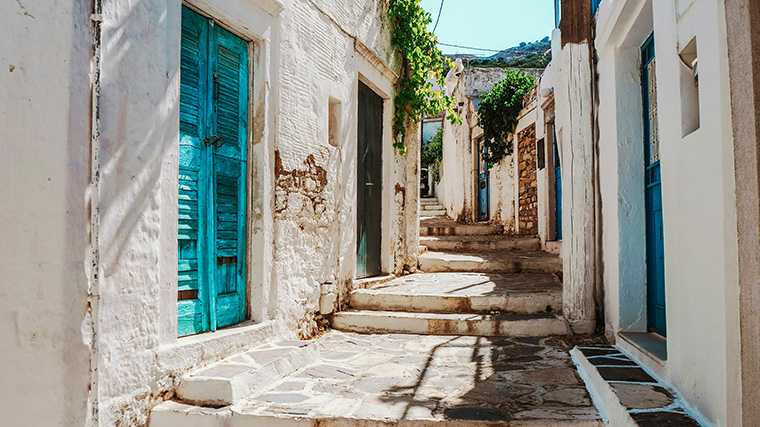
Naxos is the largest island in the Cyclades, and it shows: while Santorini consists of a single narrow caldera rim, Naxos has a vast, fertile interior featuring the ruins of a temple to Zeus, mountain villages like Chalki and Apeiranthos, and kilometers of sandy beaches that never get crowded. The island’s size naturally ensures that the flow of visitors spreads out—the exact opposite of Santorini, where everyone crowds onto the same cliff edge before sunset.
Practical info: There are no direct international flights to Naxos, so you’ll always have to connect through Athens. The island is large, so rent a car on Naxos to reach all the beaches and villages.
2. Milos Instead of Mykonos
For those who want to trade Mykonos’s nightlife for unspoiled nature, Milos is the answer.
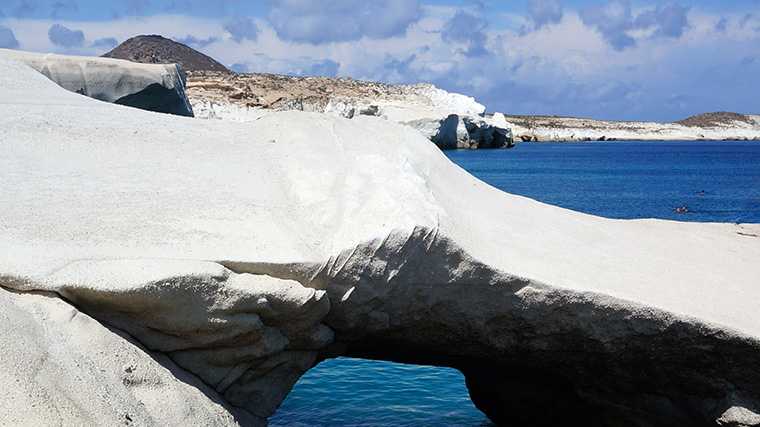
This volcanic island is best known for its colorful lava cliffs and the lunar landscape of Sarakiniko, where snow-white rocks plunge straight into the sea. With more than 40 beaches scattered across the island, it remains quiet here even during peak season: there is simply too much coastline to get crowded. As a result, Milos feels authentically Greek, without the expensive clubs and beach bars of Mykonos.
Practical info: You’ll need to fly via Athens, as there are no direct international flights. The selection of rental cars at Milos National Airport is limited, so book well in advance. You can also take the ferry from Piraeus to Milos, but that takes much longer (1–1.5 hours from Athens Airport to the ferry terminal, plus a 2.5- to 4-hour ferry ride, plus waiting times).
3. Trogir Instead of Dubrovnik
It has the same medieval atmosphere as Dubrovnik, but without the lines of cruise ships in the harbor.
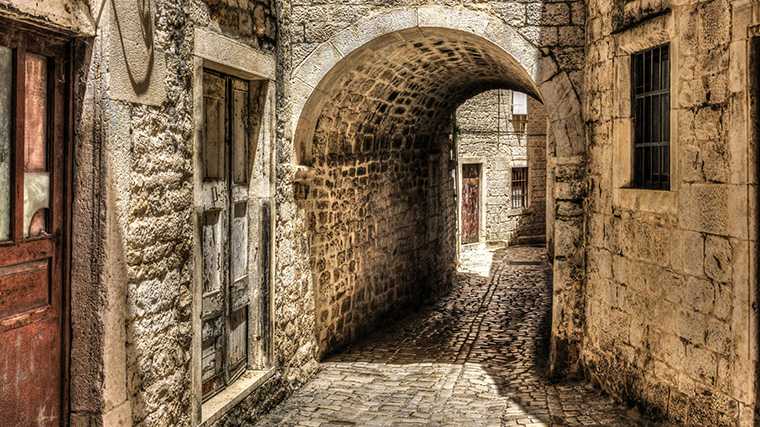
Trogir is a small town listed as a UNESCO World Heritage Site, less than a 30-minute drive from Split. Its narrow streets, Venetian palaces, and cathedral are just as photogenic as those in Dubrovnik, but its smaller size means there simply isn’t room for the thousands of day-trippers who flood Dubrovnik every day. Staying overnight in Trogir itself lets you experience a town that belongs to its residents again in the evening.
Practical tip: Reserve a rental car at Split Airport, so you can drive straight to Trogir upon arrival—it’s practically right next to the airport (6 km). It’s ideal to combine with a road trip along the Dalmatian coast.
4. Bologna Instead of Rome
Italy’s culinary capital, with all the Italian charm but without the endless lines at the Colosseum.
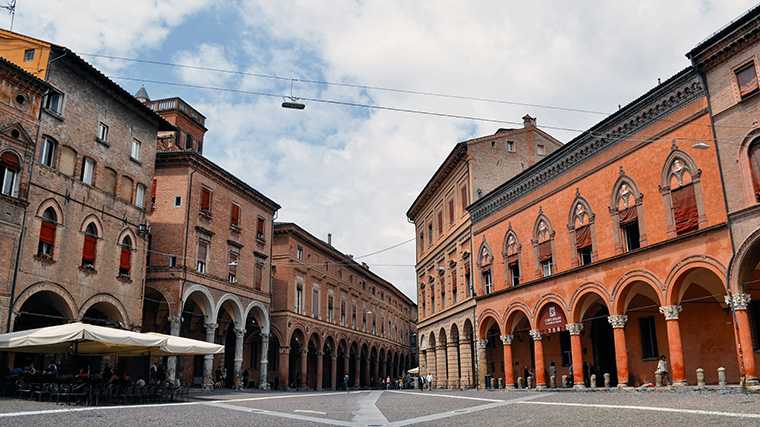
Bologna is the birthplace of tortellini and mortadella, is home to Europe’s oldest university (founded in 1088), and boasts no fewer than 40 kilometers of UNESCO-protected arcades (portici) where you can stroll while staying dry. The city is considerably quieter than Rome or Florence, while the culinary standards are just as high—perhaps even higher. Whereas Rome requires time-slot visits and advance ticket reservations, in Bologna you can simply walk right in anywhere.
Practical info: There are direct international flights to Bologna. You don’t need to rent a car at the airport, as the city is compact and easy to explore on foot. If you’d like to take day trips to Modena and Parma, however, it’s handy to rent a car in Bologna.
5. Valencia instead of Barcelona
The birthplace of paella, with just as much architecture and beach as Barcelona, but without the constant crowds.
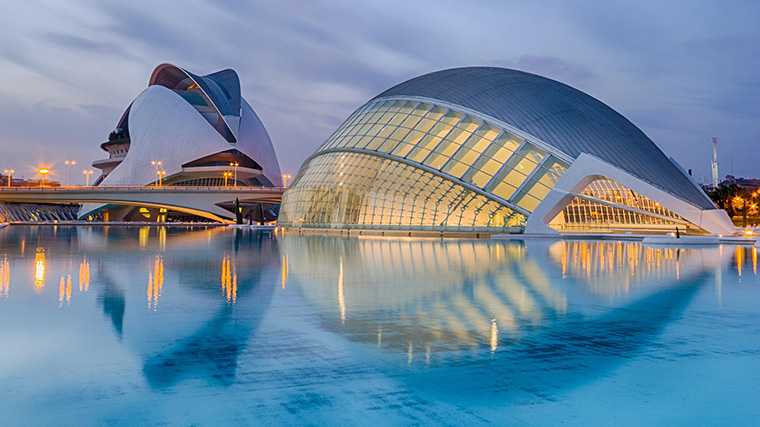
Valencia combines architect Calatrava’s futuristic Ciudad de las Artes y las Ciencias with the Jardín del Turia, a former riverbed that has been transformed into a 9-kilometer-long ribbon of gardens running right through the city. The city is smaller and more compact than Barcelona, and as a result, it feels more like a place where people actually live than an open-air museum for tourists. You’ll also find the authentic paella here, rather than the tourist version.
Practical info: Valencia’s airport has excellent international connections. If you rent a car in Valencia, you can drive to the rice paddies of the Albufera Nature Park—where paella originally comes from—in under an hour.
6. Český Krumlov instead of Prague
A miniature version of Prague, nestled in a bend of the Vltava River, without the crowds on Charles Bridge.
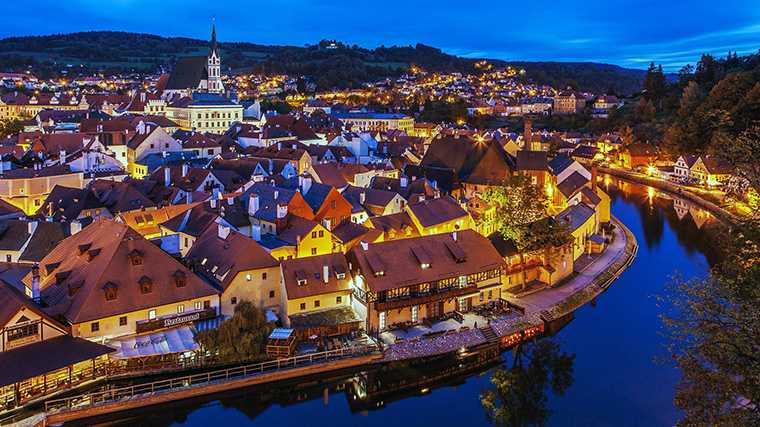
The historic center of Český Krumlov, like that of Prague, is a UNESCO World Heritage Site, with a castle that towers high above the colorful rows of houses along the river. Because the town is just a day trip for many visitors, the crowds disappear completely in the evening. Then you’ll have the castle gardens and the narrow alleys almost all to yourself. So staying overnight here is the key to getting the full experience.
Practical info: Fly to the Czech capital. Rent a car in Prague and drive to South Bohemia—it takes about 2 to 2.5 hours. Along the way, a stop at Hluboká Castle is well worth it.
7. Aveiro instead of Lisbon
The “Venice of Portugal”: a canal city between Porto and Coimbra, with a fraction of the number of visitors Lisbon attracts.
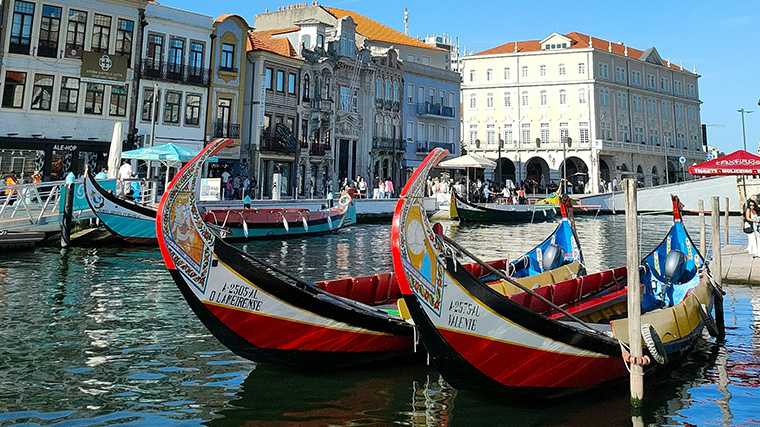
Aveiro is built around a lagoon and crisscrossed by canals on which colorful, traditional boats (moliceiros) sail. These boats were once used to harvest seaweed, but are now used for tourist boat tours. Aveiro combines Art Nouveau facades with white salt pans on the outskirts of the city, and has a compact, relaxed atmosphere that is now hard to find in Lisbon.
Practical info: Porto’s airport is located north of the city, while Aveiro is 75 kilometers south of it. So be sure to reserve a rental car in Porto itself for your drive to Aveiro. See also our Route 8: Must-See Highlights Between Porto and Lisbon for more stops along the way.
8. Lyon Instead of Paris
France’s gastronomic capital, with just as many UNESCO heritage sites as Paris, but without the crowds around the Eiffel Tower.
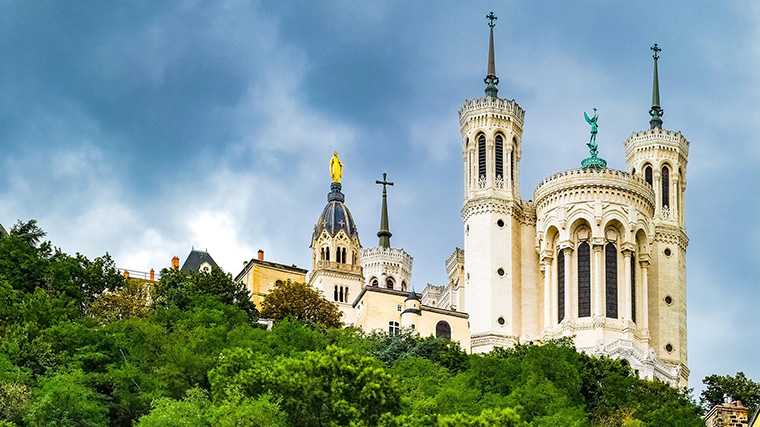
Lyon has a beautiful, historic city center with hidden traboules (centuries-old passageways between the streets) and a concentration of bouchons (traditional restaurants) unmatched in Paris. The city is quieter, more intimate, and, according to many connoisseurs, even more impressive from a culinary standpoint than the French capital—but without the high prices and long lines.
Practical info: Take a direct flight to Lyon or travel there by high-speed TGV. Lyon itself is easy to explore on foot; rent a car in Lyon for day trips to the Beaujolais wine region, the wooded hills of the Ardèche, or the higher peaks of the Alps.
9. Chioggia instead of Venice
“Little Venice” is located 25 kilometers from Venice itself, but without the cruise ships.
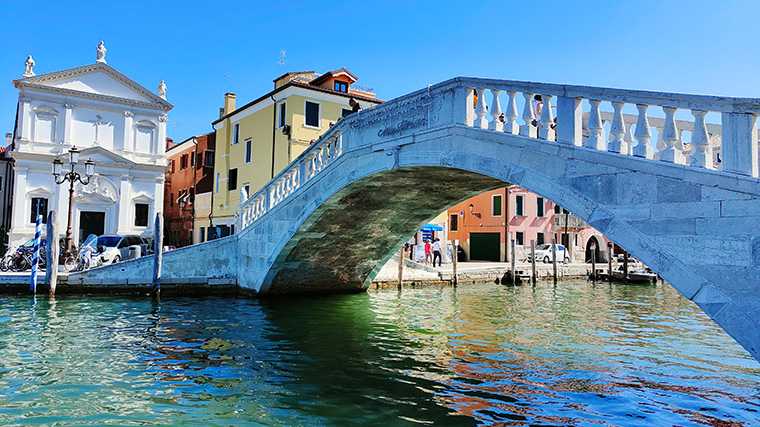
Chioggia has the same canals and colorful facades as Venice, but it’s a working fishing town. In the morning, the fresh catch comes ashore and is hawked by boisterous vendors at the fish market. There’s no Piazza San Marco filled with selfie sticks, but there is an authentic local atmosphere—one that Venice itself has lost decades ago.
Practical info: Fly to Venice, rent a car at Marco Polo Airport, and drive to Chioggia in 30 minutes. The town is also a great base for road trips through the beautiful Emilia-Romagna region (much less crowded than Tuscany).
10. Isle of Arran instead of Isle of Skye
Scotland in miniature: coast, mountains, and a whiskey distillery all on a single island barely 48 kilometers long, far from the tourist crowds on Skye.
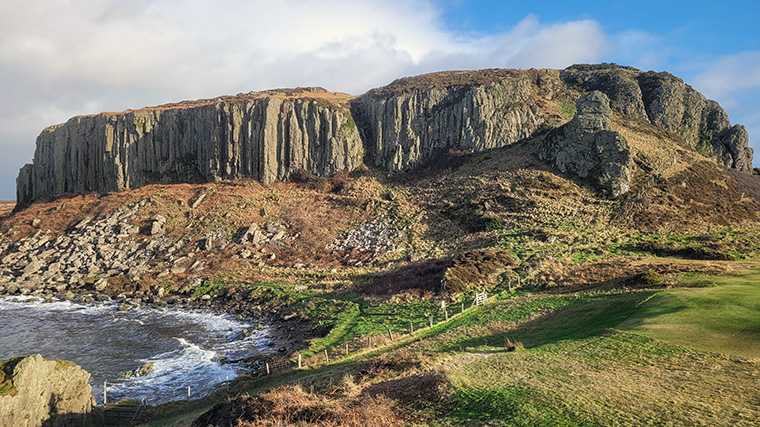
Arran combines everything that draws people to Skye—dramatic coastline, rugged mountains, and castles—but in a more compact and much quieter package. The 90-kilometer coastal road around the island is one of Scotland’s most beautiful road trips, offering views of both the Highlands and the Lowlands, and without the tour buses that now clog Skye’s narrow roads.
Practical info: Glasgow Airport has excellent international connections. Drive a rental car from Glasgow to Ardrossan (50 km) and take the ferry from there to Brodick. The crossing takes 55 minutes. Also check out our 16 tips for a road trip through the Scottish Highlands for a complete itinerary idea.
11. Riga Instead of Prague
Latvia’s capital, Riga, is perfect for anyone looking for a city break without the crowds of Prague.
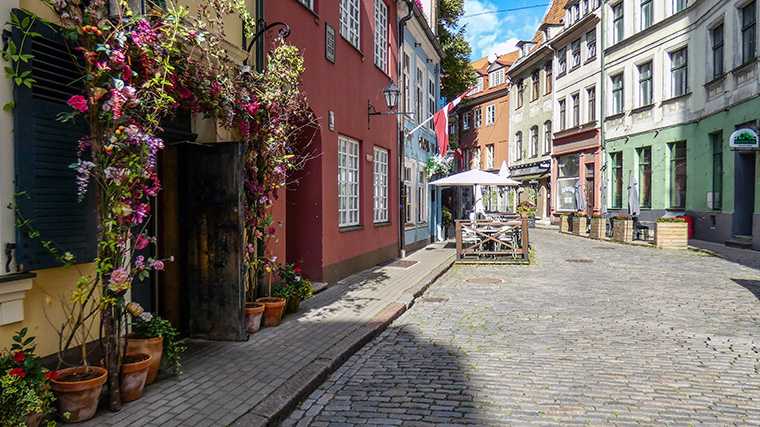
Riga boasts one of the world’s largest collections of Art Nouveau architecture, spread across a compact Old Town that is listed as a UNESCO World Heritage Site. The Central Market, housed in former zeppelin hangars, adds a unique industrial flair to the city. The Latvian capital remains largely undiscovered, giving Riga an authentic, unpolished charm.
Practical info: direct flight to Riga. The Old Town is compact enough to explore on foot. The rest of Latvia is also well worth a visit. Reserve a rental car in Riga for a road trip through Latvia.
12. Ohrid instead of the Greek islands
Lake Ohrid is a UNESCO World Heritage Site, with warmer weather in October than the Greek islands and prices that are a fraction of the cost.
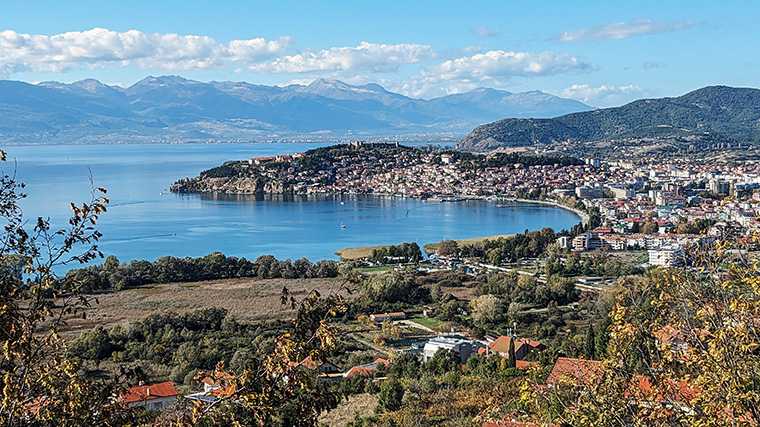
Ohrid in North Macedonia is known for the legend of the 365 churches: reportedly, there is one church for every day of the year, scattered around the lake and throughout the old town. In October, temperatures here still range between 18 and 22°C, similar to some Greek islands in the fall, but with far fewer other tourists. North Macedonia is also a remarkably budget-friendly country.
Practical info: Fly to Skopje, the capital of North Macedonia. Rent a car in Skopje and drive to Ohrid in about 2.5 hours. In the summer, there are direct flights to the small airport near Ohrid. You can also reserve a rental car at Ohrid Airport.
How do you choose your peaceful getaway?
With 12 options, the next question is: which one suits you best? Three criteria will help you decide.
Translate the hotspot into a type of vacation. Did the original destination appeal to you because of its island vibe (Santorini, Mykonos), the historic city center (Prague, Dubrovnik), or its rich cultural offerings (Barcelona, Lisbon)? Look for an alternative in the same category to ensure you still get the experience you were seeking.
Take travel time into account. For a 5-day city trip, a flight of up to 4 hours is comfortable; for a 10-day trip, you can allow for a longer flight. And check the climate: Naxos, for example, is still warm enough for swimming in October.
Stay overnight at the alternative destination itself. A day trip from a bustling hotspot to a quiet alternative (such as Bologna as a day trip from Rome) misses the whole point. Stay at least one night to experience true tranquility in the evening, once the day-trippers have left.
The role of a rental car. Many of these alternative destinations are small islands or remote towns where public transportation is limited. A rental car is therefore often essential to truly explore the destination: on Naxos, most beaches are only accessible by car, and the coastal road on the Isle of Arran is best experienced with your own transportation. Follow our tips and decide which rental car class best suits your travel needs and budget. Also, read about the best time to rent a car to get the best price.
Frequently Asked Questions
What exactly is undertourism?
Undertourism is the conscious choice to visit less-visited destinations, in order to alleviate the pressure of overtourism elsewhere and to travel in a more peaceful and authentic way. It is the opposite of overtourism, as seen in Amsterdam, Barcelona, Venice, and Santorini. More and more travel companies and local governments are now promoting alternatives. This list offers 12 specific options.
Are these quieter alternatives really cheaper?
Usually, yes, because overtourism drives prices up significantly. Prices for lodging, food, drinks, and attractions in alternative destinations are generally 40 to 60% lower. Trogir costs about half as much as Dubrovnik, and prices in Bologna are about 30% lower than in Rome. During the off-season, such as fall, that difference often widens even further.
Are these alternatives kid-friendly?
That varies by destination. Naxos and the Isle of Arran are very child-friendly thanks to their combination of beaches, safety, and tranquility. Bologna, Valencia, and Riga are particularly suitable for slightly older children, given their focus on culture and gastronomy. Ohrid and Trogir fall somewhere in between in terms of profile. For families with young children, Naxos is often an excellent choice.
How do I get to these destinations?
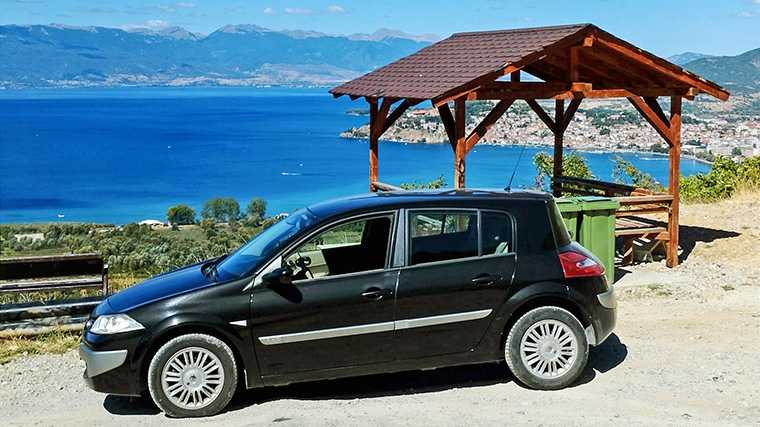
Some destinations are easily accessible by combining a flight with a rental car: Český Krumlov via Prague (just over a 2-hour drive) and Ohrid via Skopje (about 2.5 hours). Other destinations, such as Riga, Bologna, Valencia, and Lyon, can be reached by direct flight. For day trips in the surrounding area, it’s best to rent a car. The Greek islands of Naxos and Milos require a flight to Athens, followed by a domestic flight or a ferry from Piraeus (a 2.5- to 4-hour crossing). On the islands themselves, a rental car is almost indispensable.
Is undertourism really effective against overtourism?
On an individual level, every choice to opt for an alternative means one fewer tourist in an overcrowded hotspot. On a larger scale, if a significant portion of travelers chooses an alternative, it noticeably eases the pressure on places like Santorini and Venice. Moreover, the growing focus on undertourism is prompting local governments to implement measures—such as restrictions on access or short-term rentals—that Barcelona, Amsterdam, and Venice have already put in place.
Can I combine multiple alternatives?
Absolutely. Popular combinations include Naxos and Milos (island hopping by ferry in the Cyclades), Bologna, Modena, and Parma (the culinary triangle of Emilia-Romagna), and Aveiro and Guimarães, the historic birthplace of Portugal. On the mainland, a rental car is ideal for making such combinations; between islands, take the ferry and rent a car separately on each island. Plan on 3 to 4 nights per destination to really immerse yourself in the experience.

Where would you like to rent a car?
- 24000+ pick-up locations
- Free cancellation
- Independent comparator

Useful tips for a well-prepared trip
Which insurance should I choose, and what's the deal with the deposit? Read our articles with useful information and tips to ensure you choose the right rental car for you.


