- Popular countries
- Popular regions
- Popular cities
- Popular airports
- Car Rental Italy
- Car Rental Spain
- Car Rental United States
- Car Rental Portugal
- Car Rental South Africa
- Car Rental France
- Car Rental Netherlands
- Car Rental Greece
- Car Rental Germany
- Car Rental United Kingdom
- Car Rental Belgium
- Car Rental Croatia
- Car Rental Switzerland
- Car Rental Austria
- Car Rental Denmark
- Car Rental Norway
- Car Rental Australia
- Car Rental Ireland
- Car Rental Cyprus
- Car Rental Canada
- Car Rental Florida
- Car Rental Sicily
- Car Rental California
- Car Rental England
- Car Rental Sardinia
- Car Rental Mallorca
- Car Rental Ibiza
- Car Rental Crete
- Car Rental Tenerife
- Car Rental Rhodes
- Car Rental Madeira
- Car Rental Corsica
- Car Rental Gran Canaria
- Car Rental Malta
- Car Rental Scotland
- Car Rental Azores
- Car Rental Fuerteventura
- Car Rental Lanzarote
- Car Rental Corfu
- Car Rental Zakynthos
- Car Rental Amsterdam
- Car Rental Milan
- Car Rental Miami
- Car Rental Lisbon
- Car Rental Malaga
- Car Rental Porto
- Car Rental Cape Town
- Car Rental Rome
- Car Rental Barcelona
- Car Rental Faro
- Car Rental Alicante
- Car Rental Bari
- Car Rental Nice
- Car Rental Johannesburg
- Car Rental Naples
- Car Rental Brussels
- Car Rental Bergamo
- Car Rental Orlando
- Car Rental Palma de Mallorca
- Car Rental Catania
- Car Rental Amsterdam Schiphol Airport
- Car Rental Miami International Airport
- Car Rental Lisbon Airport
- Car Rental Malaga Airport
- Car Rental Porto Airport
- Car Rental Milan Malpensa Airport
- Car Rental Rome Fiumicino Airport
- Car Rental Faro Airport
- Car Rental Alicante Airport
- Car Rental Bari Palese Airport
- Car Rental Nice Airport
- Car Rental Cape Town Airport - International Terminal
- Car Rental Bergamo Airport
- Car Rental Orlando International Airport
- Car Rental Barcelona Airport
- Car Rental Mallorca Airport
- Car Rental Johannesburg International Airport
- Car Rental Catania Airport
- Car Rental Ibiza Airport
- Car Rental Athens Airport

Poland's Most Beautiful Sights by Rental Car
A Budget-Friendly Road Trip Through 8 Highlights in Poland
Poland is one of the most surprising destinations for a European road trip. With a rental car, you can explore a country that’s incredibly diverse: a restored old town, medieval market squares, communist heritage sites, alpine mountain trails, and beaches along the Baltic coast. And, not least, you can experience Poland’s most beautiful sights at a much lower cost than in Western Europe. You’ll get plenty of culture, nature, and hospitality for your money.
In the fall, you can enjoy beautiful autumn colors, especially in the Tatra Mountains in the south. But there are also other destinations for your fall vacation by rental car.
On this page:
Why Visit Poland by Rental Car?
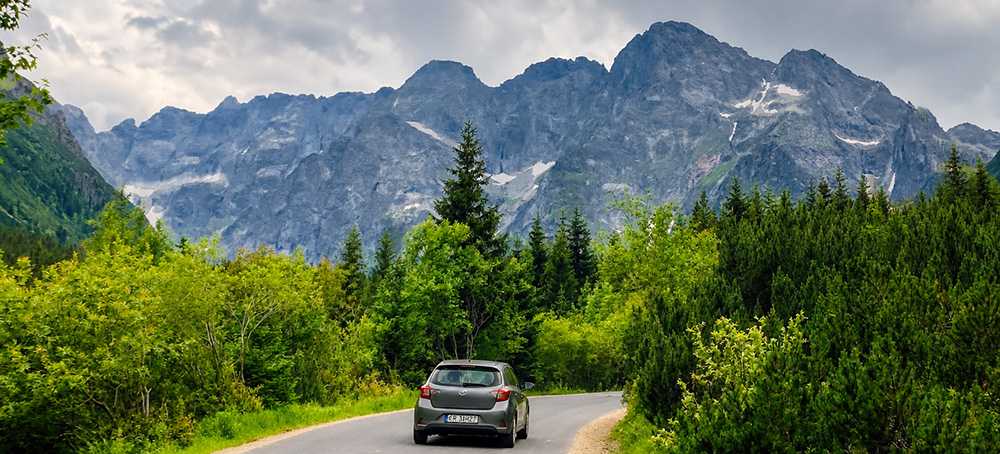
Poland combines culture, nature, and history in a way you’ll find in few other European countries, and with your own rental car, you can effortlessly connect these contrasting experiences. Here are three reasons why it’s the ultimate road trip destination right now.
Budget-friendly: Poland is cheaper than many Western European destinations. Prices vary widely by city and season, but accommodations, food, and activities often offer great value for your money. This makes a budget trip perfectly feasible without having to sacrifice comfort.
Diverse: In a single trip, you can combine the reconstructed Old Town of Warsaw, medieval Kraków (a UNESCO World Heritage Site), communist history, the Tatra Mountains, the centuries-old Wieliczka Salt Mine, and the beach at Sopot on the Baltic coast. This combination is only practically feasible with a rental car.
Convenient: With an EU driver’s license, you can drive in Poland just like anywhere else. You drive on the right, follow European traffic signs, and don’t need a visa. Modern and largely toll-free highways connect the major cities. Many young Poles speak English, so the language barrier isn’t as much of an issue as you might think. Keep in mind, however, that Poland hasn’t (yet) adopted the euro; you’ll be paying with the złoty (PLN).
Overview of a road trip in Poland with 8 stops
For the route through Warsaw, Kraków, and Gdańsk, you’ll need 10 to 12 days. If you’re also visiting Wrocław and the Tatra Mountains, it’s best to plan for at least 14 days. That will give you plenty of time to truly experience the cities, the countryside, the beaches, and the mountains.
A good breakdown is:
| Stop | Recommended days | Reason | Distance from previous stop | Unique to |
|---|---|---|---|---|
| Warsaw | 2 | fascinating capital | -- | Completely Rebuilt Old Town |
| Wrocław | 1–2 | lively city center, colorful facades | 350 km / 4 hours | bronze gnomes |
| Krakow | 2–3 | cultural heart of Poland | 280 km / 3 hours | historic center (UNESCO) |
| Wieliczka | 1 | Centuries-old salt mine | 15 km from Krakow | chapels, sculptures carved from salt |
| Auschwitz | 1 | Holocaust memorial | 70 km from Krakow | Nazi concentration and extermination camp |
| Zakopane / Tatra Mountains | 2 | hiking paradise | 110 km / 2 hours | rugged peaks of the Tatra Mountains |
| Gdańsk | 1–2 | Polish history | 700 km / 8 hours | Birthplace of Solidarność |
| Sopot | 1 | relaxing seaside resort | 15 km from Gdańsk | Longest wooden pier in Europe |
| Malbork / Warsaw | 1 | medieval castle | 60 km from Gdańsk | Largest castle in the world |
In practice, this route is 2,000 to 2,200 kilometers long. So be sure to plan not only for sightseeing but also for breaks. The drive between Zakopane and Gdańsk is particularly long; you might want to make a stop in Łódź. Or add Toruń to the northern part of the route—its medieval old town is also a UNESCO World Heritage Site.
Rent a car and visit 8 highlights in Poland
1. Warsaw: a capital with two faces
Discover how Warsaw was rebuilt from the ruins of World War II.
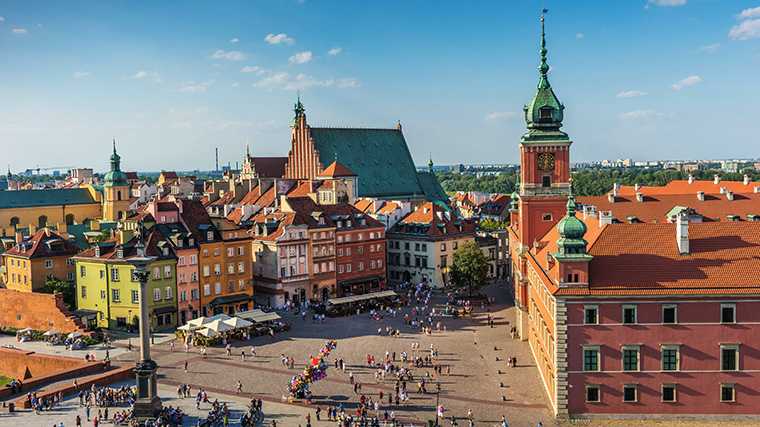
Warsaw is a fascinating starting point for your road trip through Poland. The city center seems centuries old, but it was rebuilt brick by brick after World War II. That’s a story in itself—and reason enough for UNESCO to add it to the World Heritage List. Start at the Rynek Starego Miasta, stroll past the Royal Palace, and head toward the Vistula River. For a glimpse of modern Poland, the Palace of Culture and Science and the skyline of modern skyscrapers offer interesting contrasts. The Warsaw Uprising Museum provides additional context for the city’s history.
Length of stay: 2 days.
Parking: Parking garages around Plac Bankowy and near the Palace of Culture and Science are centrally located and well-secured.
Driving distance: From the Polish capital to the next destination, Wrocław, it’s about a 4-hour drive (350 km) in a rental car.
2. Wrocław: City of Gnomes
Search for bronze gnomes as you wander through the city center among islands, bridges, and historic buildings.
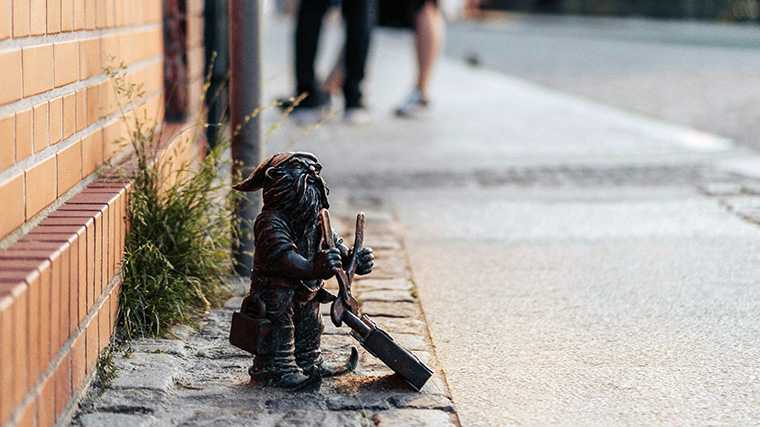
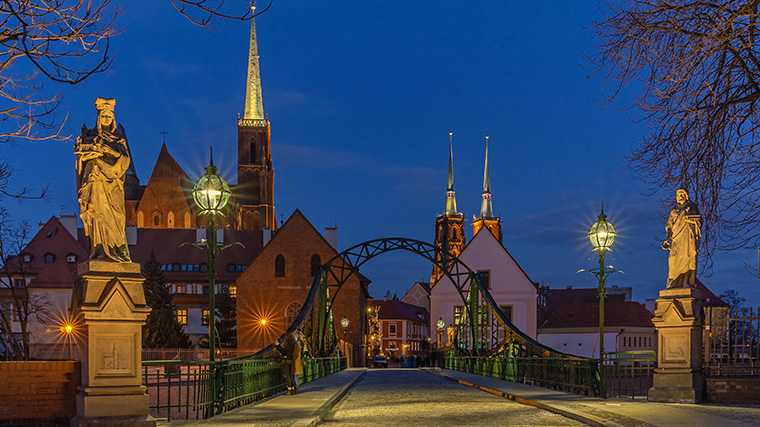
Wrocław feels different from Warsaw. The city on the Oder River has a lively downtown with colorful facades, historic squares, and a network of islands and bridges. In and around the central square, Rynek, you’ll find restaurants and cafés, while Ostrów Tumski—the oldest part of the city, situated on a small island in the river—is especially charming in the evening. A fun detail is the hundreds of bronze gnomes scattered throughout the city. They stem from the tradition of a resistance movement during the communist era, which used the gnome as its symbol.
Length of stay: 1–2 days.
Parking: Parking garages around Rynek are expensive during peak season; parking just outside the ring road and walking is often more economical.
Driving distance: It’s about a 3-hour drive from Wrocław to Kraków (280 km).
3. Kraków: the cultural heart of Poland
Kraków combines history with a vibrant bar and food scene.
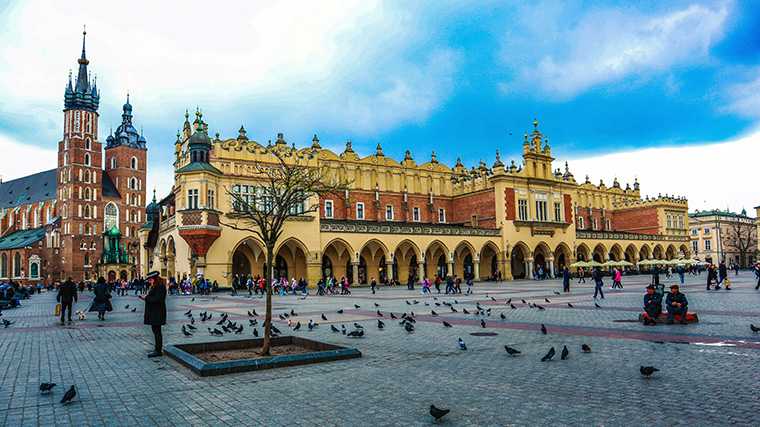
The historic center of Kraków is a UNESCO World Heritage Site. Start at one of Europe’s largest medieval market squares, Rynek Główny, home to the Cloth Hall and St. Mary’s Basilica. Then walk to the Royal Castle, which towers high above the Vistula River. Next, set aside some time for Kazimierz. This is where Jewish history, cafés, restaurants, synagogues, and modern culture come together. Kraków is a great place to leave your rental car for a while, as the sights here are all within walking distance.
Length of stay: 2–3 days.
Parking: Park outside the Old Town ring road (for example, at Galeria Krakowska) and explore the city center on foot.
Driving distance: The Wieliczka Salt Mine is located near Kraków: it’s a 25-minute drive (15 km) from the city center. The Auschwitz-Birkenau Museum is 70 kilometers to the west and can be reached from Kraków in just over an hour by rental car. Note: Auschwitz is called Oświęcim in Polish and is listed as such on road signs.
4. Wieliczka and Auschwitz-Birkenau: Day Trips from Kraków
Opposites: a centuries-old salt mine and a place where history is almost impossible to put into words.
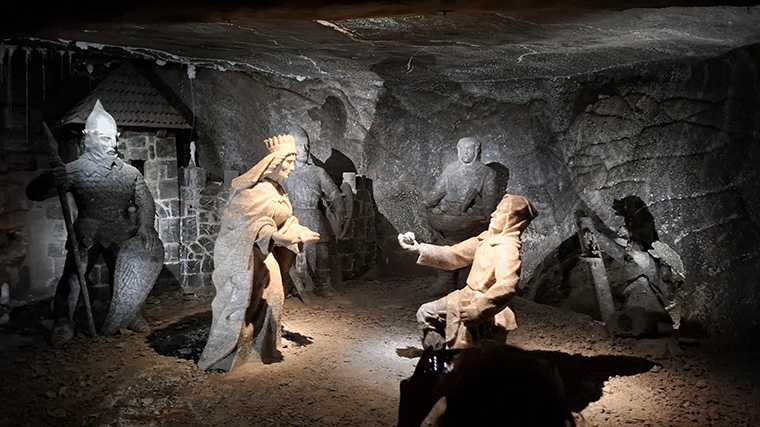
From Krakow, you can take two very different day trips. The first takes you to the Wieliczka Salt Mine, where salt has been mined since the 13th century. The underground passages feature chapels, sculptures, and enormous chambers carved out of the salt. Auschwitz-Birkenau is on an entirely different scale. The former Nazi concentration and extermination camp is now a memorial and museum site. A visit is a deeply moving experience and calls for a respectful approach.
Duration: If you start very early, you can combine these two trips, but it’s better to set aside a full day for each.
Parking: There are ample parking lots at both locations.
Driving distance: You’ll return to Krakow and head from there toward Zakopane, which is about a 2-hour drive (110 km) via a mountainous road.
5. Zakopane and the Tatra Mountains: A Hiker’s Paradise
Mountain air, wooden architecture, and hiking trails beneath the peaks of the Tatra Mountains.
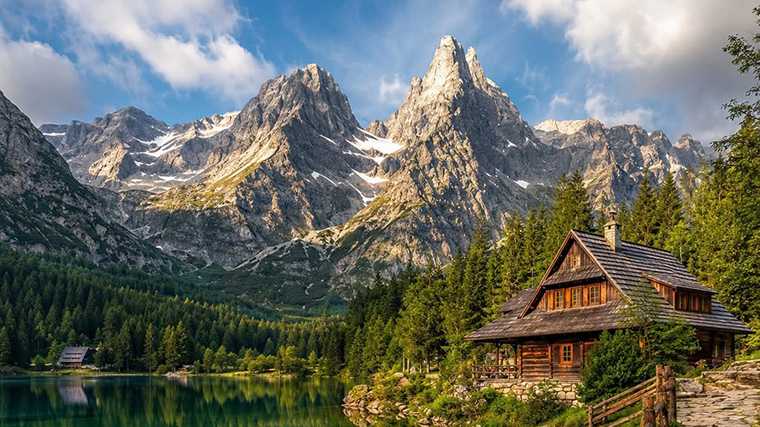
Zakopane has a distinct culture of its own, featuring wooden architecture, regional cuisine, and the lively Krupówki Street. The cable car to Kasprowy Wierch (1,987 m) takes you from the valley to the mountaintop in twenty minutes. If you prefer hiking, the Tatra National Park offers trails for every skill level, such as the one leading to the Morskie Oko mountain lake. Hiking is especially enjoyable in September and October, when the forests turn beautiful shades of orange and gold and the summer crowds have subsided. Weather in the mountains can change quickly, so always check the current conditions.
Duration of stay: 2 days.
Parking: The road to the cable car station in Kuźnice is closed to regular traffic; it’s a walk of nearly one and a half kilometers from the nearest parking lot. To save on parking fees, it’s better to take a taxi from your hotel.
Driving distance: The drive to Gdańsk is a long one, about 700 kilometers and an 8-hour drive without stops. Consider making one or two stops along the way, for example in Łódź, which is halfway there, or in historic Toruń further north.
Please note: There is a toll on the A1 between Toruń and Gdańsk (in 2026: 30 złoty, approximately €7.00).
6. Gdańsk: A Baltic port city with character
Colorful merchant houses and a fascinating history.
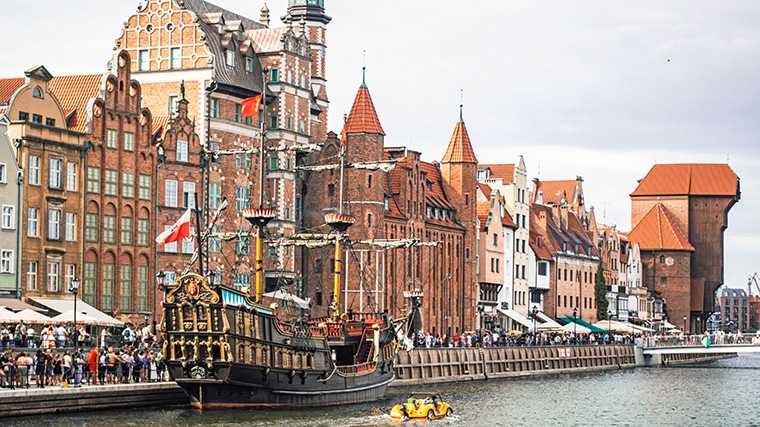
Gdańsk is a historic port city with a distinctive downtown. The facades along Długi Targ are all picture-perfect. The famous medieval crane and old warehouses stand along the river. But Gdańsk is more than just a beautiful old city. At the Museum of the Second World War and the European Solidarity Center, you’ll discover the city’s recent history and the role the port city played in the rise of Solidarność. This combination of Hanseatic history, wartime history, communist heritage, and modern European culture makes Gdańsk one of the most interesting stops on this road trip.
Length of stay: 1–2 days.
Parking: Use one of the parking garages on the outskirts of the historic center, for example on the Wyspa Spichrzów peninsula.
Driving distance: The seaside resort of Sopot is about a 20-minute drive (15 km) away.
7. Sopot: Baltic seaside resort
A laid-back counterpart to historic Gdańsk on the Baltic Sea.
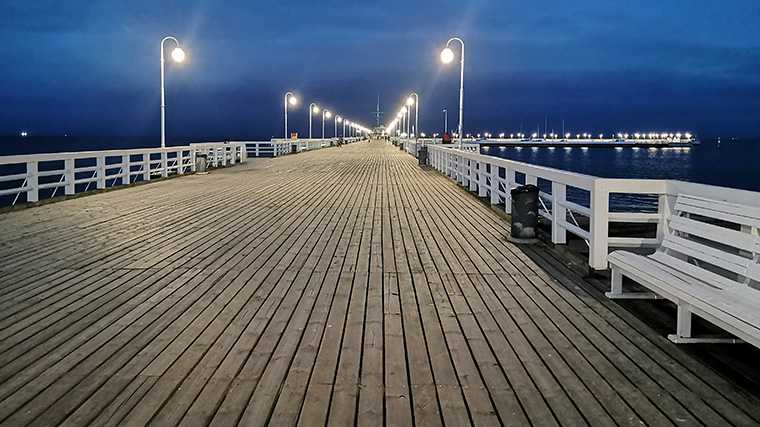
Sopot is a laid-back seaside resort whose most famous attraction is the pier. At 511 meters long, it is the longest wooden pier in Europe. From the end of the pier, you can look out over the coastline and the ships at sea. Afterward, you can stroll along the boardwalk, visit a beach bar, or explore the quieter streets around the city center. This makes Sopot a pleasant break during a road trip focused on culture and history.
Length of stay: 1 day.
Parking: There are paid parking spaces and garages in and around the city center. During peak season, it’s wise to arrive early.
Driving distance: It’s about an hour’s drive from Gdańsk to Malbork (60 km); from Sopot, it takes 15 minutes longer (75 km).
8. Malbork: The Largest Castle in the World
The world’s largest castle, perched above the river like a brick city.
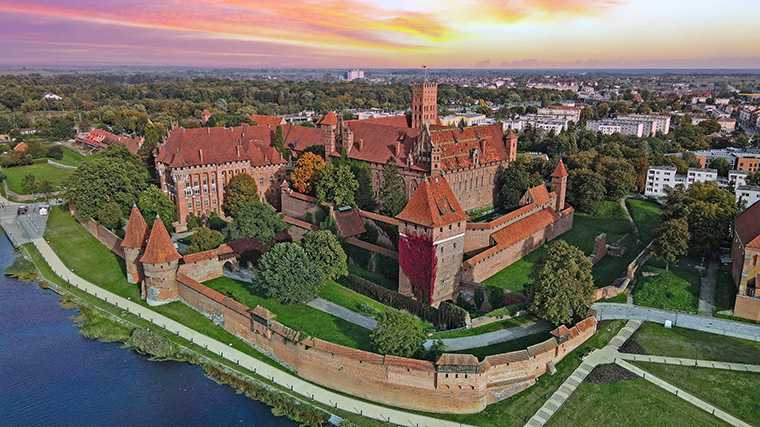
Malbork is a spectacular final stop on this road trip through Poland. Construction of the Teutonic Order’s castle began in the 13th century, and it grew into a massive complex of defensive walls, courtyards, and buildings. Even if you’re not particularly interested in castles, the scale is impressive. Set aside at least a few hours for your visit. Malbork is strategically located between Gdańsk and Warsaw. This makes it a logical stop when driving from the Baltic coast toward the capital.
Duration: half a day.
Parking: visitor parking lot right next to the castle.
Driving distance: It takes 3.5 hours to drive from the castle to Warsaw (300 km) in a rental car.
Driver’s License, Traffic Rules, Tolls, and Safety in Poland
Traffic rules in Poland are largely the same as in the rest of Europe, but there are a few rules you really need to know.
Driver’s license: With a European driver’s license, you can rent a car in Poland without any problems. The situation is different for people with a driver’s license from the U.S., Canada, or Australia, or a license that isn’t written in the Latin alphabet. They’ll need an international driver’s license. Make sure you have your passport or ID card and the rental car contract with you while driving, in addition to your driver’s license.
Traffic rules: In Poland, traffic drives on the right. The general speed limit is 50 km/h in built-up areas and 90 km/h on regular roads outside built-up areas. On highways with separate lanes, the speed limit is generally 100 km/h; on expressways (S-numbered roads), the maximum is 120 km/h; and on freeways (A-numbered roads), 140 km/h, unless signs indicate a lower speed. Traffic rules and speed limits are strictly enforced.
Lights: Low beams or daytime running lights are required during the day. But be aware: in tunnels and in poor visibility, daytime running lights are insufficient; in those cases, always turn on your low beams (and your taillights will turn on automatically).
Toll roads: Most Polish highways are free for passenger cars, but tolls are charged on a few sections: on the A1 between Toruń and Gdańsk (152 km), on the A2 between Konin and Poznań (75 km), on the A2 between Poznań and the German border (155 km), and on the A4 between Katowice and Kraków (51 km), though the toll on the latter will be abolished in March 2027.
Alcohol: The legal blood alcohol limit in Poland is lower than in many other European countries: 0.2 per mille. For a road trip, the safest choice is therefore simple: don’t drink if you’re still going to drive.
What car class do you need for Poland?
A rental car always falls into a specific class, but which class should you choose for a road trip in Poland? Don’t base your decision on the car you usually drive, because on a road trip you’ll always have more stuff with you than usual. So always make sure you have enough space for your luggage.
For a couple or a solo traveler, a compact car is ideal: cheaper to rent, more fuel-efficient, and easier to park in Warsaw, Kraków, and Gdańsk. For a family of four, a compact midsize car is more practical, especially because of the luggage space.
An SUV or crossover can be nice if you’re spending a lot of time in the Tatra Mountains, but it’s not necessary for the standard route. The mountain roads around Zakopane are paved; you don’t need a 4x4 to reach the main destinations.
If you want to drive on unpaved side roads, always ask the rental company if that’s permitted with your rental car.
Tip: Are you traveling with children? In Poland, special car seats are required for children shorter than 1.50 meters. You can easily reserve a baby or child seat when booking your rental car. Don’t wait until you’re at the counter to do this, because it’s often more expensive—or worse—the seats may be out of stock.
How much does a road trip with a rental car in Poland cost?
Polish roads are attracting more and more road trippers, and the reason is simple: the country is significantly cheaper than Western or Southern Europe. Just take a look around here at EasyTerra, and you’ll see that the starting prices for a rental car in Poland are attractively low.
Accommodation costs an average of between €30 and €45 per night for a basic hotel, compared to at least €80 in countries like France or Italy. A three-course meal at a restaurant costs around €35 for two people, while a simple meal at a so-called “milk bar” can be found starting at €8. Even a cup of coffee or a beer is significantly cheaper than in Western Europe—at least if you avoid the tourist centers.
Attractions such as museums and castles typically charge €3 to €10 for admission, significantly less than comparable sights in Germany or Spain. Parking in city centers also remains affordable: expect to pay €1–3 per hour, compared to €3–5 in Western European city centers. Gas is also noticeably cheaper. Check the current prices for gasoline and diesel at fuel-prices.eu.
For travelers who want to save money without sacrificing comfort, Poland is therefore an excellent destination for a road trip in a rental car.
Best Time to Travel and When to Book a Road Trip Through Poland
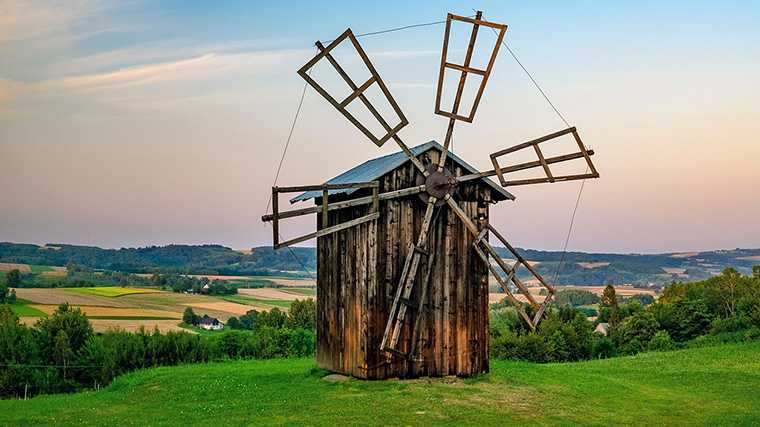
May–June and September–October are particularly appealing months for this road trip. In the spring, temperatures (15–22°C) are often pleasant for city breaks and hiking. In the fall, you’ll usually enjoy mild weather (12–15°C), and it’s definitely less crowded than in the summer.
October can be beautiful in the Tatra Mountains, especially because of the fall colors. Keep in mind, however, that the weather in the mountains can change quickly and that hiking conditions at high altitudes can already be quite wintry.
Summer is ideal for the Baltic coast and long hikes, but popular destinations like Kraków, Gdańsk, and Zakopane can be more crowded during this time.
For a truly budget-friendly trip, the early and late seasons are worth considering. Not only are rental cars cheaper, but accommodations and activities are also more affordable outside of peak periods.
Book 4 to 6 weeks in advance for the best selection of rental cars. For the peak season around the Christmas markets (the second half of December), you’re advised to book 8 to 10 weeks in advance. Still unsure about the ideal time? Read about the best time to rent a car.
Frequently Asked Questions About Renting a Car in Poland
Is a road trip through Poland safe?
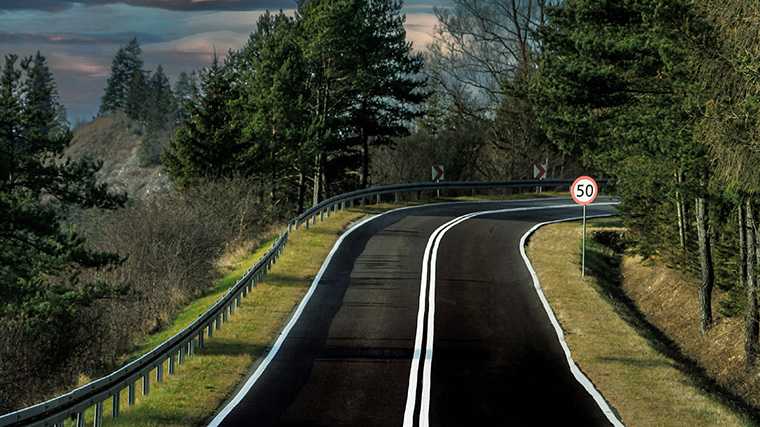
Yes. Poland is one of the safest countries to travel through in a rental car. For drivers, it’s especially important to follow traffic rules. Speed limits are strictly enforced, and the blood alcohol limit of 0.2 promille is much lower than in the Netherlands. Traffic can be heavy in Warsaw and Krakow. In historic city centers, there are also parking restrictions and zones where you can’t just drive in. On local roads outside the cities, it’s wise to be extra alert to cyclists, pedestrians, and changing weather conditions. Especially in the Tatra Mountains, you’ll need to adjust your driving to the weather.
How many days do I need for a road trip through Poland?
For a compact route through Warsaw, Wrocław, Kraków, the Tatra Mountains, and the Baltic coast, you’ll need at least 10 days; 12 days is more comfortable. If you also want to visit Malbork, Auschwitz, and Wieliczka in depth, plan on 14 days or more. Poland is a large country, and the drive between the Tatra Mountains and Gdańsk, in particular, takes a long time.
Do I need an international driver’s license for Poland?
No. With a valid EU driver’s license, you can rent and drive a car in Poland. Make sure you also have your passport or ID and the rental car contract with you. Don’t forget that headlights (low beams or daytime running lights) are required during the day. Poland also has stricter blood alcohol limits than many other European countries: a maximum of 0.2 per mille.
Are the highways in Poland toll-free?
Not all of them. Tolls are charged on sections of the A1, A2, and A4. For this road trip, you only need to account for tolls on the A1 between Toruń and Gdańsk and on the A4 between Katowice and Kraków, but the latter will be eliminated in March 2027. Toll rates on Polish toll roads vary widely: per kilometer, you pay five times as much on the A2 between Poznań and Konin as you do on the A1 between Toruń and Gdańsk.
Does Poland use the euro as currency?
No, although Poland is a member of the European Union, it is not part of the eurozone. The Polish złoty (PLN) is the official currency. Some large stores accept euros, but at an unfavorable exchange rate. It’s better to use your debit or credit card, as you can pay with them almost anywhere.
Can I combine a trip to Poland with a visit to the Czech Republic or Germany?
Yes. From Wrocław, for example, it’s relatively easy to travel to Germany, and from Kraków, the Czech Republic is within easy reach. If you plan to cross the border, you must mention this when booking your rental car. EasyTerra will check whether this is possible with the specific rental company and how much any additional fee might be.
Can I visit Poland with children?
Absolutely. A road trip through Poland is ideal for families thanks to the mix of cities, castles, rugged nature, and the coast. Wrocław with its gnomes, the Wieliczka Salt Mine, Malbork, and the Tatra Mountains are great examples of fun activities for all ages.
Ready for your road trip through Poland?
From the historic streets of Warsaw and Krakow to the mountain roads around Zakopane and the beaches of the Baltic coast: with a rental car, you can explore Poland exactly as you like. You’re not tied to train and bus schedules and can easily stop along the way at castles, nature reserves, and smaller towns.
Compare rental cars in Poland through EasyTerra and easily find the car that fits your trip and budget. Choose your pickup location, compare available options, and reserve your rental car in advance. That way, you can start your road trip right after you arrive. For a worry-free road trip through Poland, choose a rental car with EasyTerra’s Worry-Free label.
========================================================
Sources:

Where would you like to rent a car?
- 24000+ pick-up locations
- Free cancellation
- Independent comparator

Useful tips for a well-prepared trip
Which insurance should I choose, and what's the deal with the deposit? Read our articles with useful information and tips to ensure you choose the right rental car for you.