- Popular countries
- Popular regions
- Popular cities
- Popular airports
- Car Rental Italy
- Car Rental Spain
- Car Rental United States
- Car Rental Portugal
- Car Rental South Africa
- Car Rental France
- Car Rental Netherlands
- Car Rental Greece
- Car Rental Germany
- Car Rental United Kingdom
- Car Rental Belgium
- Car Rental Croatia
- Car Rental Switzerland
- Car Rental Austria
- Car Rental Denmark
- Car Rental Norway
- Car Rental Australia
- Car Rental Ireland
- Car Rental Cyprus
- Car Rental Canada
- Car Rental Florida
- Car Rental Sicily
- Car Rental California
- Car Rental England
- Car Rental Sardinia
- Car Rental Mallorca
- Car Rental Ibiza
- Car Rental Crete
- Car Rental Tenerife
- Car Rental Rhodes
- Car Rental Madeira
- Car Rental Corsica
- Car Rental Gran Canaria
- Car Rental Malta
- Car Rental Scotland
- Car Rental Azores
- Car Rental Fuerteventura
- Car Rental Lanzarote
- Car Rental Corfu
- Car Rental Zakynthos
- Car Rental Amsterdam
- Car Rental Milan
- Car Rental Miami
- Car Rental Lisbon
- Car Rental Malaga
- Car Rental Porto
- Car Rental Rome
- Car Rental Cape Town
- Car Rental Barcelona
- Car Rental Faro
- Car Rental Alicante
- Car Rental Nice
- Car Rental Bari
- Car Rental Naples
- Car Rental Johannesburg
- Car Rental Brussels
- Car Rental Bergamo
- Car Rental Orlando
- Car Rental Palma de Mallorca
- Car Rental Vienna
- Car Rental Amsterdam Schiphol Airport
- Car Rental Miami International Airport
- Car Rental Lisbon Airport
- Car Rental Malaga Airport
- Car Rental Porto Airport
- Car Rental Milan Malpensa Airport
- Car Rental Rome Fiumicino Airport
- Car Rental Faro Airport
- Car Rental Alicante Airport
- Car Rental Bari Palese Airport
- Car Rental Nice Airport
- Car Rental Barcelona Airport
- Car Rental Cape Town Airport - International Terminal
- Car Rental Bergamo Airport
- Car Rental Orlando International Airport
- Car Rental Mallorca Airport
- Car Rental Catania Airport
- Car Rental Johannesburg International Airport
- Car Rental Ibiza Airport
- Car Rental Athens Airport


Car Rental Madrid
Save time and money. We compare the offers of car rental companies in Madrid on your behalf.
Worry Free


Car Rental Madrid
EasyTerra Car Rental Madrid is an independent car rental comparison site. Our site compares prices from well-known car rental companies so that, as a customer, you can always reserve your car with us at a competitive rate.
Car rental offers in Madrid
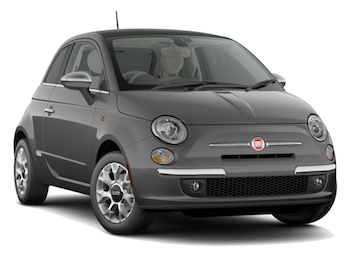
Whether you're looking for a small rental car or a station wagon for the entire family, we will always have a suitable vehicle at the lowest price. Below are some examples from our selection in Madrid.

-
Goldcar From€ 8 /day -
Hertz From€ 21 /day -
Dollar Rent a Car From€ 22 /day
-
Goldcar From€ 8 /day -
Clickrent From€ 8 /day -
OK Mobility From€ 8 /day
-
Keddy By Europcar From€ 18 /day -
Budget From€ 20 /day -
Avis From€ 22 /day

-
OK Mobility From€ 8 /day
-
Clickrent From€ 9 /day -
Goldcar From€ 16 /day -
Enterprise From€ 25 /day
-
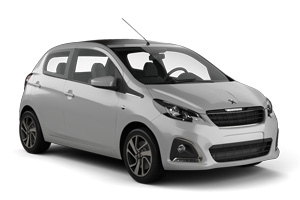
Keddy By Europcar From€ 21 /day

-
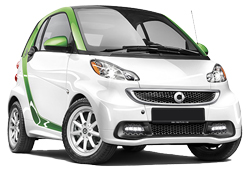
Clickrent From€ 10 /day -
Centauro From€ 11 /day
-
OK Mobility From€ 11 /day
-
Hertz From€ 23 /day -
Dollar Rent a Car From€ 26 /day -
Goldcar Key'n Go From€ 28 /day
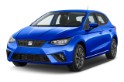
-
Clickrent From€ 7 /day -
OK Mobility From€ 10 /day -
Record Go From€ 10 /day
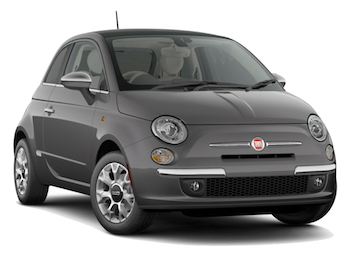
-
Clickrent From€ 8 /day -
Centauro From€ 12 /day -
Keddy By Europcar From€ 21 /day
-
Keddy By Europcar From€ 19 /day -
Budget From€ 21 /day -
Hertz From€ 23 /day

-
Clickrent From€ 8 /day
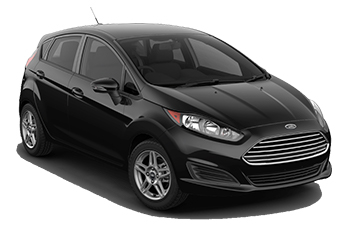
-
Goldcar From€ 9 /day -
Centauro From€ 12 /day -
Green Motion From€ 31 /day
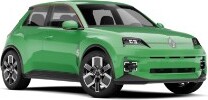
-
Keddy By Europcar From€ 19 /day -
Europcar From€ 27 /day
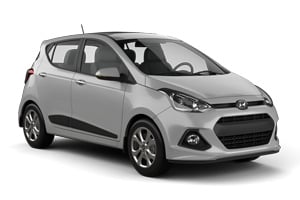
-
OK Mobility From€ 9 /day -
Centauro From€ 12 /day

-
Goldcar From€ 9 /day -
Budget From€ 19 /day -
Dollar Rent a Car From€ 19 /day
-
Keddy By Europcar From€ 20 /day -
Europcar From€ 28 /day

-
Clickrent From€ 9 /day -
Goldcar From€ 10 /day -
Europcar From€ 17 /day
-
OK Mobility From€ 9 /day -
Flizzr From€ 23 /day -
Dollar Rent a Car From€ 23 /day

-
Keddy By Europcar From€ 19 /day -
Centauro From€ 41 /day -
Record Go From€ 44 /day

-
OK Mobility From€ 9 /day -
Keddy By Europcar From€ 14 /day -
Centauro From€ 16 /day
-
OK Mobility From€ 10 /day -
Goldcar From€ 20 /day -
Centauro From€ 29 /day

-
Keddy By Europcar From€ 20 /day -
Europcar From€ 27 /day -
Sixt From€ 37 /day

-
OK Mobility From€ 10 /day -
Goldcar From€ 22 /day -
Alamo From€ 27 /day
-
OK Mobility From€ 10 /day -
Alamo From€ 28 /day -
Enterprise From€ 29 /day
-
Keddy By Europcar From€ 20 /day -
Dollar Rent a Car From€ 32 /day -
Hertz From€ 34 /day
-
Goldcar From€ 11 /day -
Record Go From€ 17 /day -
Keddy By Europcar From€ 19 /day

-
Goldcar From€ 11 /day -
Keddy By Europcar From€ 21 /day -
Europcar From€ 23 /day

-
Keddy By Europcar From€ 22 /day -
Europcar From€ 33 /day -
Goldcar Key'n Go From€ 36 /day

-
OK Mobility From€ 12 /day -
Clickrent From€ 12 /day -
Budget From€ 22 /day
-
Goldcar From€ 12 /day -
Budget From€ 24 /day -
Avis From€ 28 /day

-
Keddy By Europcar From€ 23 /day -
Goldcar Key'n Go From€ 33 /day -
Europcar From€ 34 /day

-
OK Mobility From€ 13 /day -
Record Go From€ 30 /day

-
Goldcar From€ 13 /day -
Keddy By Europcar From€ 20 /day -
Europcar From€ 23 /day
-
Keddy By Europcar From€ 24 /day -
Europcar From€ 35 /day
-
OK Mobility From€ 10 /day
-
OK Mobility From€ 12 /day -
Sixt From€ 38 /day
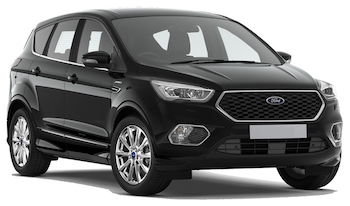
-
Hertz From€ 32 /day -
Alamo From€ 35 /day -
Dollar Rent a Car From€ 36 /day
-
OK Mobility From€ 13 /day
-
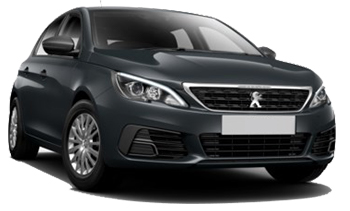
OK Mobility From€ 15 /day
-
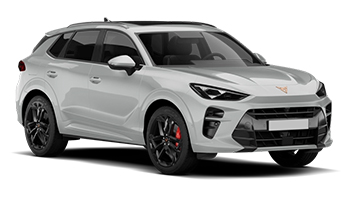
Budget From€ 34 /day -
Avis From€ 34 /day -
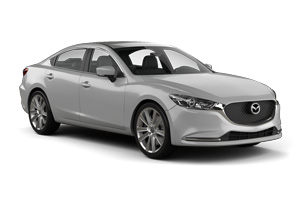
Sixt From€ 46 /day
-
Centauro From€ 18 /day

-
OK Mobility From€ 27 /day

-
Alamo From€ 35 /day -
Enterprise From€ 38 /day -
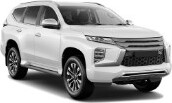
National Car Rental From€ 54 /day
-
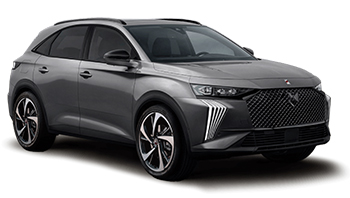
OK Mobility From€ 17 /day
-
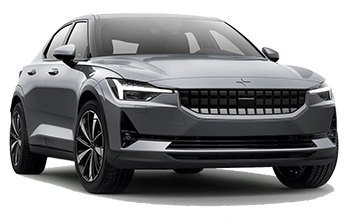
OK Mobility From€ 28 /day
-
Hertz From€ 29 /day -
Dollar Rent a Car From€ 35 /day
-
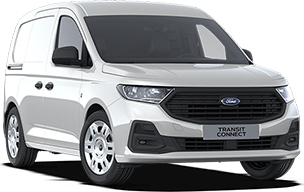
Hertz From€ 28 /day -
Dollar Rent a Car From€ 31 /day
-
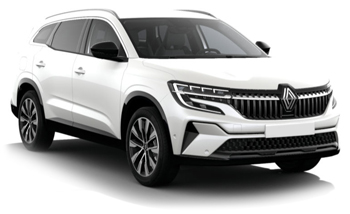
Hertz From€ 39 /day -
Dollar Rent a Car From€ 42 /day
-
OK Mobility From€ 31 /day -
Hertz From€ 39 /day -
Dollar Rent a Car From€ 49 /day
-
Alamo From€ 33 /day -
Enterprise From€ 35 /day -
National Car Rental From€ 36 /day
-
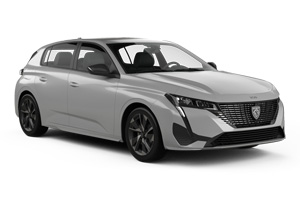
Hertz From€ 42 /day -
Dollar Rent a Car From€ 54 /day

-
OK Mobility From€ 36 /day
-
OK Mobility From€ 21 /day
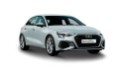
-
OK Mobility From€ 22 /day
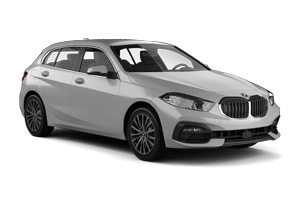
-
Keddy By Europcar From€ 27 /day
-
Keddy By Europcar From€ 24 /day
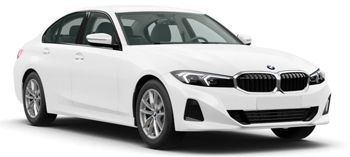
-
Budget From€ 37 /day -
Avis From€ 40 /day

-
Record Go From€ 30 /day
-
OK Mobility From€ 33 /day

-
Hertz From€ 38 /day

-
Flizzr From€ 34 /day -
Sixt From€ 42 /day
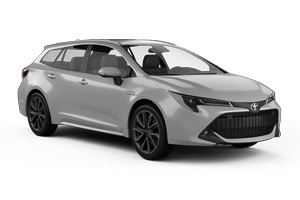
-
Record Go From€ 15 /day

-
OK Mobility From€ 19 /day -
NÜ Car Rentals From€ 38 /day
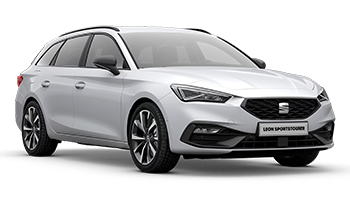
-
Budget From€ 25 /day -
Avis From€ 28 /day -
Dollar Rent a Car From€ 35 /day

-
OK Mobility From€ 20 /day
-
OK Mobility From€ 22 /day
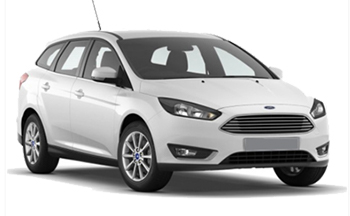
-
Hertz From€ 30 /day -
Dollar Rent a Car From€ 35 /day -
Goldcar Key'n Go From€ 53 /day
-
Budget From€ 24 /day -
Goldcar From€ 25 /day -
Dollar Rent a Car From€ 26 /day

-
Alamo From€ 35 /day -
Enterprise From€ 37 /day -
National Car Rental From€ 54 /day

-
Flizzr From€ 28 /day -
Sixt From€ 31 /day
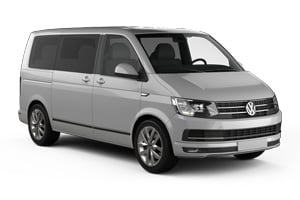
-
Europcar From€ 37 /day -
Sixt From€ 71 /day

-
Clickrent From€ 42 /day -
Record Go From€ 51 /day
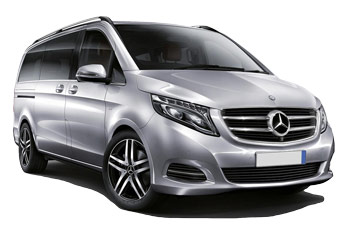
-
Budget From€ 63 /day -
Avis From€ 67 /day -
Sixt From€ 123 /day

-
Europcar From€ 44 /day -
Clickrent From€ 51 /day -
Record Go From€ 57 /day
-
Alamo From€ 45 /day -
Enterprise From€ 49 /day -
Avis From€ 61 /day
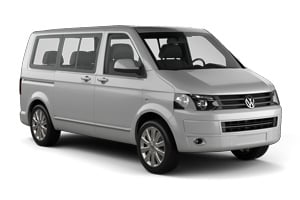
-
Budget From€ 65 /day
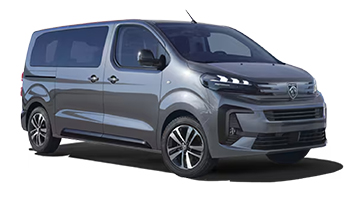
-
OK Mobility From€ 49 /day -
Clickrent From€ 49 /day -
SurPrice car rentals From€ 75 /day
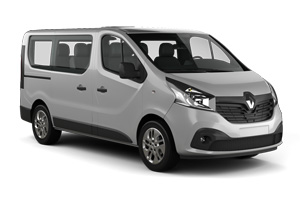
-
OK Mobility From€ 49 /day
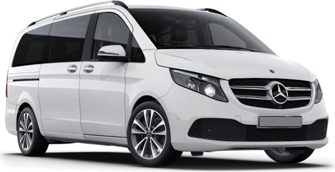
-
Avis From€ 67 /day -
Budget From€ 78 /day -
Europcar From€ 182 /day
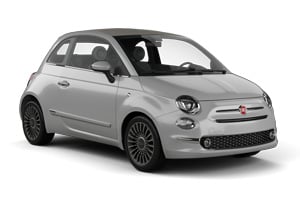
-
OK Mobility From€ 10 /day -
Clickrent From€ 14 /day -
Goldcar From€ 33 /day
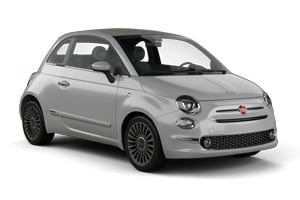
-
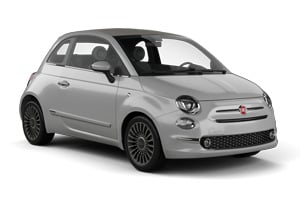
Clickrent From€ 16 /day
-
Goldcar Key'n Go From€ 50 /day -
OK Mobility From€ 76 /day
-
Clickrent From€ 34 /day

-
Budget From€ 81 /day

-
Clickrent From€ 66 /day -
Budget From€ 75 /day -
Enterprise From€ 80 /day

-
Clickrent From€ 69 /day

-
Clickrent From€ 72 /day

-
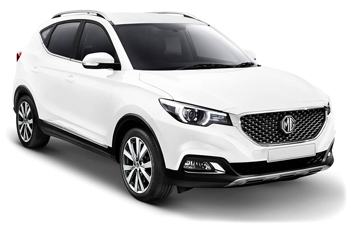
Alamo From€ 77 /day -
Enterprise From€ 81 /day
-
OK Mobility From€ 9 /day -
Centauro From€ 16 /day -
Keddy By Europcar From€ 18 /day
-
OK Mobility From€ 10 /day -
Goldcar From€ 20 /day -
Centauro From€ 29 /day
-
Keddy By Europcar From€ 25 /day -
Centauro From€ 41 /day
-
Goldcar From€ 10 /day -
OK Mobility From€ 13 /day -
Keddy By Europcar From€ 18 /day
-
Clickrent From€ 10 /day -
Centauro From€ 25 /day -
NÜ Car Rentals From€ 29 /day

-
Keddy By Europcar From€ 25 /day -
Alamo From€ 44 /day -
National Car Rental From€ 49 /day

-
Goldcar From€ 11 /day -
Keddy By Europcar From€ 22 /day -
Europcar From€ 23 /day

-
Goldcar From€ 11 /day -
Record Go From€ 17 /day -
Alamo From€ 32 /day
-
Keddy By Europcar From€ 26 /day -
Europcar From€ 30 /day -
Goldcar Key'n Go From€ 30 /day
-
Goldcar From€ 8 /day -
OK Mobility From€ 9 /day -
Centauro From€ 12 /day
-
OK Mobility From€ 10 /day -
Alamo From€ 26 /day -
National Car Rental From€ 27 /day
-
Keddy By Europcar From€ 18 /day -
Europcar From€ 26 /day -
Goldcar Key'n Go From€ 28 /day
-
OK Mobility From€ 10 /day -
Alamo From€ 27 /day -
National Car Rental From€ 27 /day
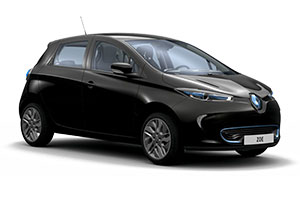
-
Goldcar From€ 11 /day -
OK Mobility From€ 12 /day -
Keddy By Europcar From€ 19 /day
-
Keddy By Europcar From€ 19 /day -
Europcar From€ 27 /day
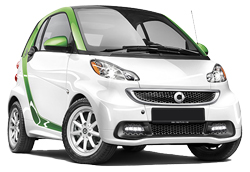
-
OK Mobility From€ 11 /day
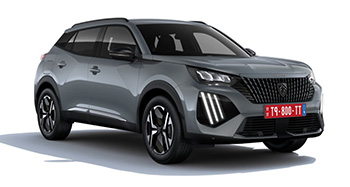
-
OK Mobility From€ 12 /day -
Avis From€ 23 /day -
Budget From€ 24 /day
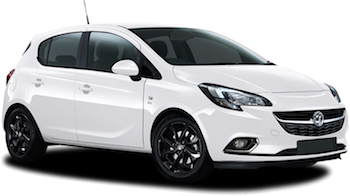
-
Hertz From€ 21 /day -
Dollar Rent a Car From€ 24 /day
Car rental companies in Madrid
Below are the car rental companies in Madrid with the best ratings. Compare all ratings and prices of these rental companies in one search.
-
Dollar Rent a Car
From€ 19 / day -
Hertz
From€ 18 / day -
Avis
From€ 22 / day -
Alamo
From€ 25 / day -
Enterprise
From€ 25 / day -
National Car Rental
From€ 26 / day
Useful tips for a well-prepared trip
Which insurance should I choose, and what's the deal with the deposit? Read our articles with useful information and tips to ensure you choose the right rental car for you.



Car rental companies in and around Madrid
If you are looking for a rental car in Spain, but in a city other than Madrid, please click through to the Car rental Spain page, where you can choose in which city in Spain you want to rent a car.
Location information for Madrid
Introduction
Madrid is the capital and largest city of Spain. It is a metropolis where many multinational companies are located, it houses the Spanish parliament, etc. In addition, every year the city attracts many tourists, who are drawn to, among other things, the interesting museums and the city's vibrant nightlife.
Population
Madrid has about 3 million inhabitants. Spain as a whole has about 40 million inhabitants.
Location
Madrid is situated roughly in the center of Spain, far away from the sea and at an altitude of about 600 meters, which means that the winters are cold and the summers hot. To the north and east of the city, there are two mountain ranges: Sa de Gredos and Sierra de Guadarrama.
Economy
Madrid is a real metropolis. In Madrid, many multinational companies are located. The capital also plays a major (international) role in the banking sector. In addition, there is also a lot of industry. Most of Madrid's industry is located in the south of the city, where textile, food and metal are processed.
Also, there are many jobs in the public sector, related to the government, parliament, etc. Spain's Royal Family also lives in Madrid.
And, of course, tourism also plays a role. Tourists come to Madrid for its cultural and artistic attractions. In addition, the city's vibrant nightlife also attracts many tourists. Finally, Madrid also houses a number of universities.
Airports
Barajas International Airport is Madrid's airport. This airport connects the Iberian peninsula (Spain and Portugal) to the rest of Europe. Last year, Barajas International Airport processed 40 million passengers, which makes it one of the 20 busiest airports in the world. At the moment, the airport is being expanded, which will further improve its service.
Public transport
If you do not have a rental car, you can use Madrid's public transport system. At the airport, you can take the subway or bus to the center. Madrid's bus company is called EMT. The regional trains in Madrid that take you to the suburbs of the city are operated by Ceranias. The best form of public transport in Madrid is the subway, which is fast and clean, and which will take you "everywhere".
Traffic and Parking
Madrid is a fairly difficult city to drive. It is best to avoid rush hour: the best time to drive is between 14.00 and 16.00. Once you have arrived in the center, take the first available place to park. Parking spaces are marked with a P. Costs may be up to one euro per hour. It is not recommended to park your rental car on the sidewalk, chances are you will get a fine or your car will be towed away. If this happens to you, you should call the Gua Municipal.
Hotels
Madrid has an excellent hotel sector. You can find anything, from budget to very luxurious. Generally speaking, it is not hard to find a place to sleep. However, especially during the summer and during holidays, it is advisable to book your hotel room in advance.
External Sources
For more information about Madrid, we recommend Google, and the following sources:
- Wikipedia, Madrid
- Council of Madrid (English and Spanish)
- DescubreMadrid.com (English and Spanish)
Important up-to-date information for renting a car in Madrid
| 🚙 Number of rental agencies | 33 |
| ⭐ Most popular car rental agency | FireFly Car Rental |
| 💰 Cheapest car rental company | Clickrent |
| 🏆 Best rated car rental agency | Dollar Rent a Car |
Practical information
-
CurrencyEuro
-
Driving directionRight
-
City speed limit50 km/h
-
Freeway speed limit90 km/h
-
LanguageSpanish
-
Popular car categoryCompact
What most people want to know
The following questions and answers are a selection of the most popular questions. If you do not find the answer to your question, have a look at the Frequently Asked Questions page or contact us.
- Dollar Rent a Car
- Hertz
- Avis
- Alamo
- Enterprise
- National Car Rental
- Goldcar Key'n Go
- Budget
- Sixt
- Flizzr
- Europcar
- Thrifty
- Green Motion
- OK Mobility
- Keddy By Europcar
- Clickrent
- FireFly Car Rental
- Record Go
- Rhodium Car Rental
- Drivalia
- InterRent
- Goldcar
- Centauro
- Leasys
- CITROEN
- RentalPlus
- Routes
- Flexways
- McRent
- Carwiz rent a car
- SurPrice car rentals
- Advantage Rent a Car
- NÜ Car Rentals