- Popular countries
- Popular regions
- Popular cities
- Popular airports
- Car Rental Italy
- Car Rental Spain
- Car Rental United States
- Car Rental Portugal
- Car Rental South Africa
- Car Rental France
- Car Rental Netherlands
- Car Rental Greece
- Car Rental Germany
- Car Rental United Kingdom
- Car Rental Belgium
- Car Rental Croatia
- Car Rental Switzerland
- Car Rental Austria
- Car Rental Denmark
- Car Rental Norway
- Car Rental Australia
- Car Rental Ireland
- Car Rental Cyprus
- Car Rental Canada
- Car Rental Florida
- Car Rental Sicily
- Car Rental California
- Car Rental England
- Car Rental Sardinia
- Car Rental Mallorca
- Car Rental Ibiza
- Car Rental Crete
- Car Rental Tenerife
- Car Rental Rhodes
- Car Rental Madeira
- Car Rental Corsica
- Car Rental Gran Canaria
- Car Rental Malta
- Car Rental Scotland
- Car Rental Azores
- Car Rental Fuerteventura
- Car Rental Lanzarote
- Car Rental Corfu
- Car Rental Zakynthos
- Car Rental Amsterdam
- Car Rental Milan
- Car Rental Miami
- Car Rental Lisbon
- Car Rental Malaga
- Car Rental Porto
- Car Rental Rome
- Car Rental Cape Town
- Car Rental Barcelona
- Car Rental Faro
- Car Rental Alicante
- Car Rental Nice
- Car Rental Bari
- Car Rental Naples
- Car Rental Johannesburg
- Car Rental Brussels
- Car Rental Bergamo
- Car Rental Orlando
- Car Rental Palma de Mallorca
- Car Rental Vienna
- Car Rental Amsterdam Schiphol Airport
- Car Rental Miami International Airport
- Car Rental Lisbon Airport
- Car Rental Malaga Airport
- Car Rental Porto Airport
- Car Rental Milan Malpensa Airport
- Car Rental Rome Fiumicino Airport
- Car Rental Faro Airport
- Car Rental Alicante Airport
- Car Rental Bari Palese Airport
- Car Rental Nice Airport
- Car Rental Barcelona Airport
- Car Rental Cape Town Airport - International Terminal
- Car Rental Bergamo Airport
- Car Rental Orlando International Airport
- Car Rental Mallorca Airport
- Car Rental Catania Airport
- Car Rental Johannesburg International Airport
- Car Rental Ibiza Airport
- Car Rental Athens Airport

25 Unforgettable Attractions in Malta
Plus the most beautiful beaches and diving spots
Small in size, big on experiences: that’s Malta. This sunny island nation in the Mediterranean combines centuries-old culture with breathtaking nature. From the Baroque splendor of Valletta to mysterious temple ruins, from rugged cliffs to golden-yellow beaches—a new highlight awaits at every turn. The country consists of three islands: the largest is also called Malta, the second is Gozo, and the third lies between them—Comino. Rent a car and take a road trip past medieval towns, archaeological sites, imposing churches, spectacular cliffs, and small beaches in magnificent bays.
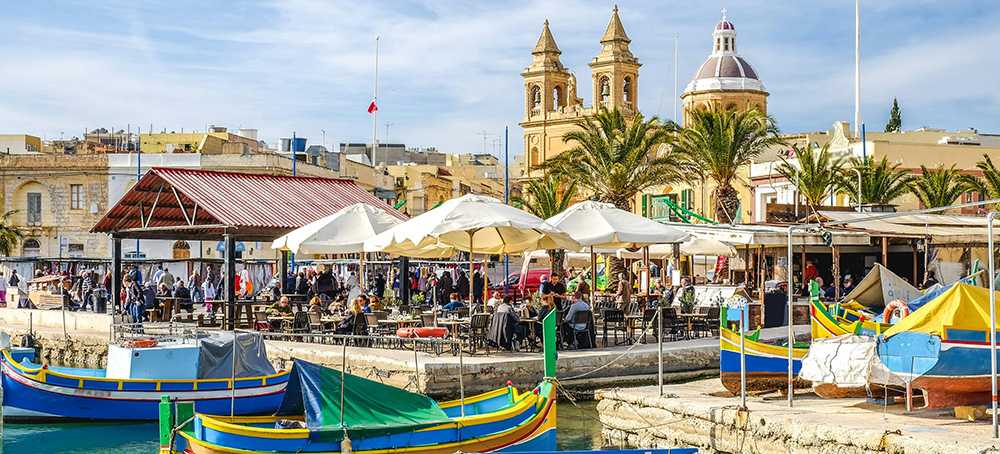
The islands are located in the middle of the Mediterranean Sea, just south of Sicily, and offer a wonderful combination of relaxing on the beach, soaking up culture inland, and enjoying active water sports along the coast. You won’t find any forests, rivers, or lakes there, but Malta does have spectacular natural wonders. The cities blend centuries-old monuments with a lively café scene. You can explore it all at your own pace when you rent a car in Malta.
The main island has a reputation as a party destination, but that certainly doesn’t apply to all of Malta. Nightclubs are mainly found in St. Julian’s, and during the summer months there are a few open-air clubs inland. Those seeking peace and quiet can easily avoid the party scene.
1. Valletta
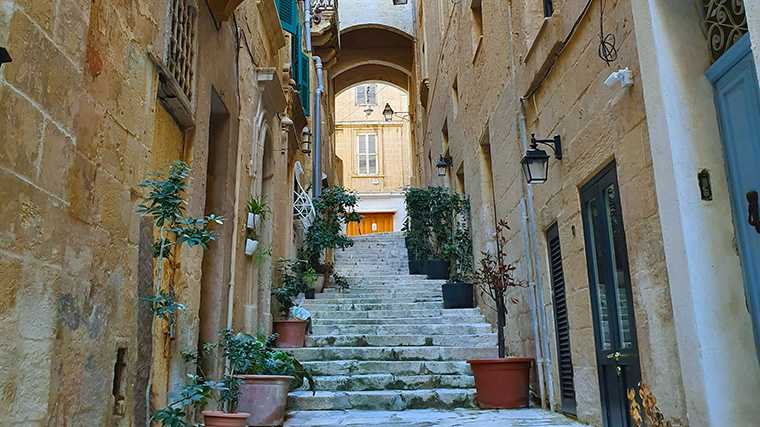
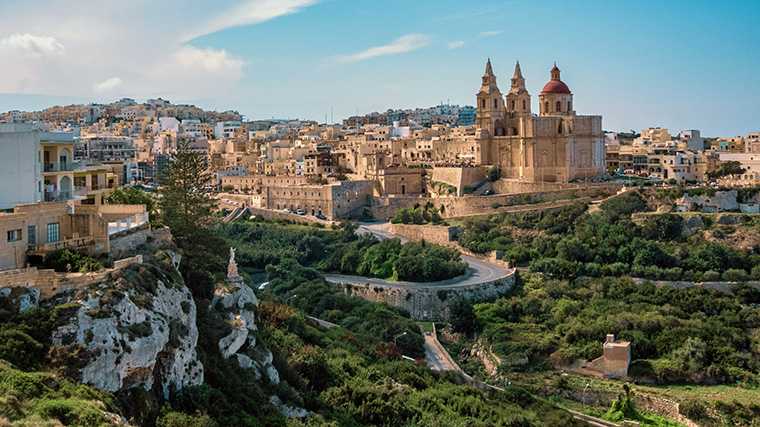
Malta’s charming capital, Valletta, is the smallest capital city in Europe, both in terms of population and area. But just like the rest of the archipelago, there’s an incredible amount to see in a small area. It’s a true open-air museum with Baroque palaces, historic monuments, picturesque alleys, and breathtaking views of the Mediterranean Sea.
From the outside, St. John’s Co-Cathedral looks rather austere, but once inside, you’ll be amazed at every turn. The interior is richly decorated with frescoes and sculptures, with Caravaggio’s famous painting *The Beheading of St. John the Baptist* as its centerpiece.
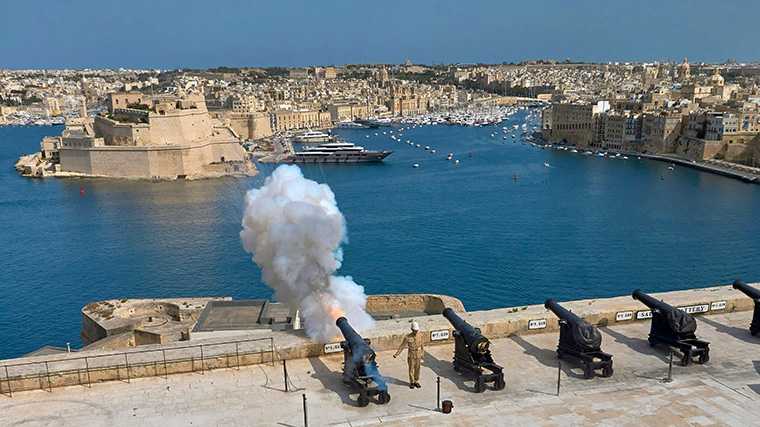
The Grand Master’s Palace houses the president and the parliament and is therefore only open to the public to a limited extent. Particularly impressive is the Order of Malta’s collection of suits of armor, swords, and cannons. The former private gardens of the knights, the Barrakka Gardens, are now open to the public and offer a magnificent view of the harbor and the Three Cities. Every day (except Sundays) at 12:00 p.m. and 4:00 p.m., the cannons are fired from the quay.
The imposing Fort Saint Elmo is located at the northeastern tip of Valletta. It was built in the 16th century to repel Ottoman attacks, but also played a role in later battles, most recently during World War II.
2. The Three Cities
From the Barrakka Gardens, you can see three historic towns across the water: Birgu, Senglea, and Cospicua. You can easily reach them by ferry or water taxi, or by car (there are parking lots right in front of the entrances to the peninsulas).
These fortified towns, with their narrow streets, imposing forts, and the Inquisitor’s Palace, offer a wonderful glimpse into Maltese history. Highlights include Fort Saint Angelo, the charming streets of Birgu, and the view from the Gardjola Gardens in Senglea. There’s also a spacious parking lot next to those gardens.
3. Marsaskala
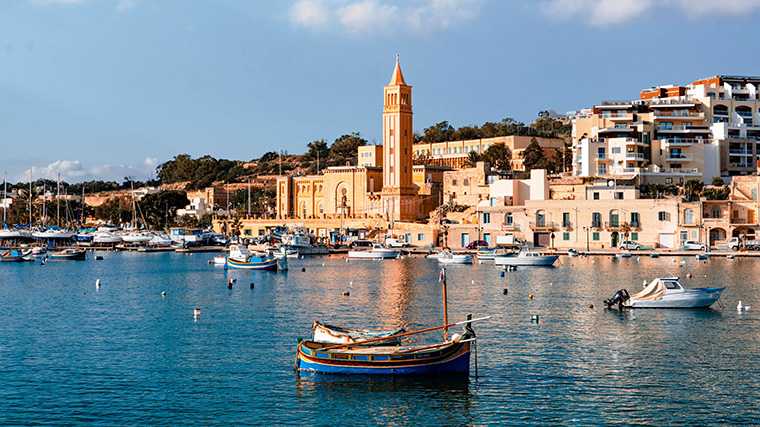
The fishing village of Marsaskala is beautifully situated in a cove on Malta’s east coast. A stroll along the promenade by the bay is especially recommended in the evening. South of the village lies a small sandy beach, St. Thomas Beach, which slopes very gently and is therefore perfect for small children.
A little further on, you can take a walk along picturesque limestone cliffs, culminating at the Munxar Window. Along this coastline, you’ll find more natural bridges, tunnels, pools, and jagged rock formations, including those around Il-Ħofra ż-Żgħira Bay.
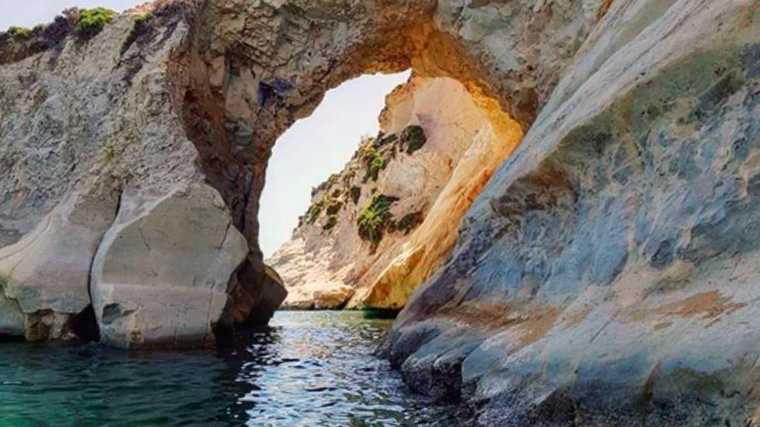
4. St. Peter’s Pool / Il-Kalanka
One of the most famous spots on the east coast is St. Peter’s Pool: a rocky cove with white cliffs and turquoise water. It’s perfect for swimming and cliff jumping. However, it gets extremely crowded during peak season, and even in the off-season, you’ll rarely be alone there.
With a rental car, you can easily drive along the coast and find quieter alternatives. We highly recommend Il-Kalanka, a natural cove located a little further south.
5. Marsaxlokk
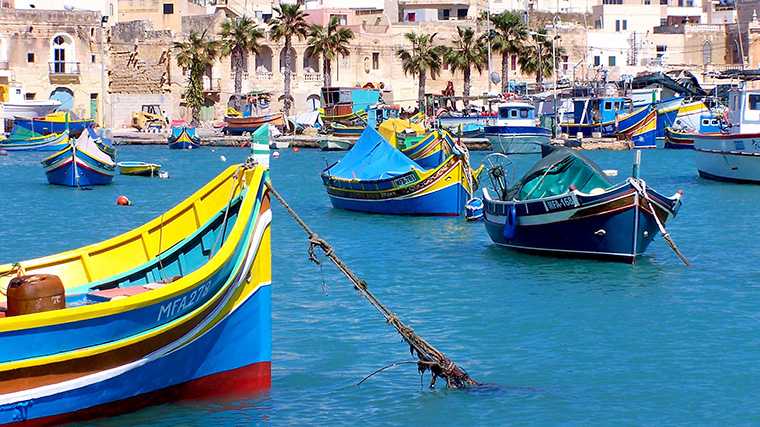
Marsaxlokk is one of Malta’s most beautiful fishing villages. Colorful fishing boats, known as luzzu, bob in the bay, painted in bright shades of yellow, red, green, and blue. The Eye of Horus is often painted on the bow, offering fishermen protection at sea.
On Sundays, there’s a large market where you’ll find not only fish but also all kinds of local specialties. Along the promenade are countless restaurants serving freshly caught fish and seafood—perfect for a relaxed lunch with a view of the sea.
6. Blue Grotto
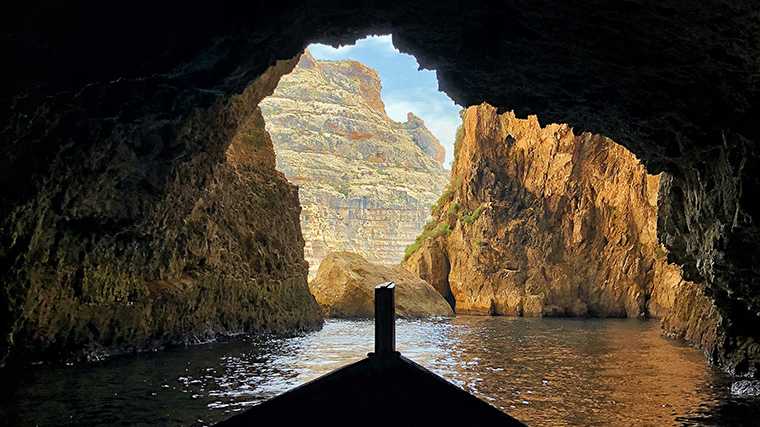
Just south of the airport lies the small harbor of Wied iż-Żurrieq, best known for boat tours to the famous Blue Grotto. Strictly speaking, it is not a single cave, but a series of sea caves, the largest of which is called the Blue Grotto. The water there is crystal-clear and deep blue, creating spectacular colors.
Those who’d rather not go out on the water can visit a free lookout point above the cave, which offers a fantastic panoramic view. It’s worth arriving early in the day so you can enjoy the view in relative peace and quiet.
7. Ħaġar Qim – megalithic temples
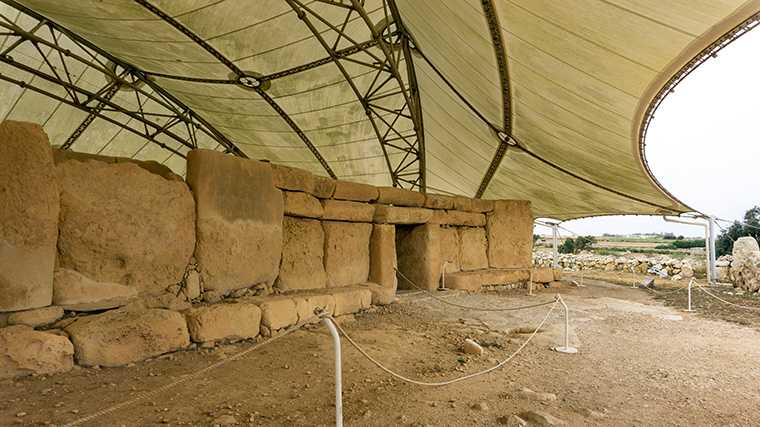
Just a stone’s throw from the Blue Grotto lie the temple complexes of Ħaġar Qim and Mnajdra. These megalithic structures are among the oldest freestanding structures in the world and stand as impressive testimony to Maltese prehistory.
They were built over five thousand years ago using enormous limestone blocks, some as tall as five meters and weighing as much as twenty metric tons. They were likely used for religious rituals, sacrifices, and solar observations. Both complexes are now covered to protect them from the elements—not very attractive, but certainly understandable.
8. The Ħal-Saflieni Hypogeum
Malta’s most famous archaeological site is the Ħal-Saflieni Hypogeum in Paola. It is a unique archaeological site: an underground temple and necropolis that is approximately six thousand years old. The corridors and chambers are carved into the rock and served both religious and funerary purposes.
Because the site is extremely fragile, only a limited number of visitors are admitted each day. You must therefore reserve tickets well in advance, even during the off-season. Plan to book at least two months in advance.
9. Rabat
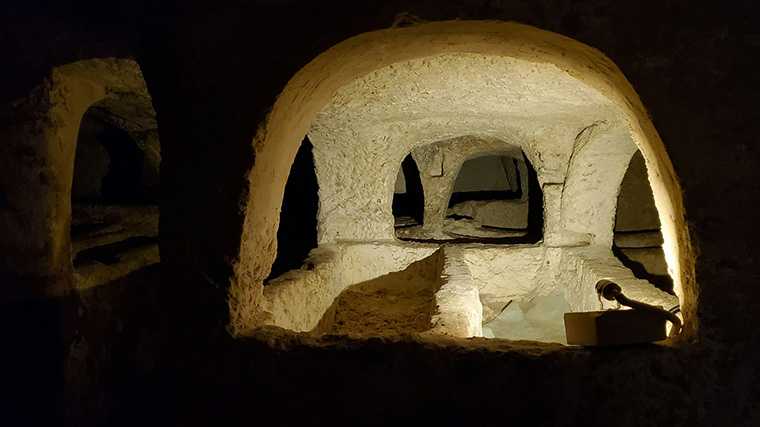
On your road trip through Malta, don’t miss Rabat. The city features beautiful old houses with colorful wooden bay windows, narrow alleys where you can happily get lost, and excellent restaurants.
In the city center stands St. Paul’s Church, built in the 14th century above the cave where, according to tradition, the Apostle Paul took refuge after a shipwreck near Malta. These Catacombs of St. Paul were constructed by the Romans as a burial ground that was located just outside the city at the time.
Not far from there, you’ll find the Catacombs of Saint Agatha, beneath a church of the same name. These underground passages were used by early Christians hiding from persecution.
10. Mdina
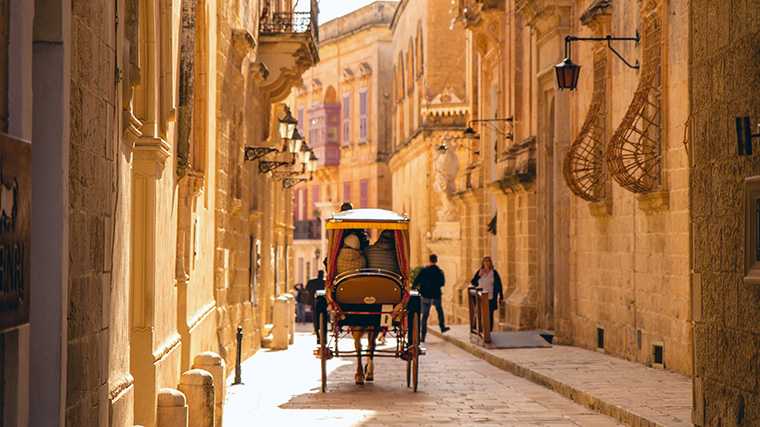
The completely walled city of Mdina is the former capital of Malta and much older than Valletta. You’ll need to park your rental car outside the city walls, as motorized traffic is not allowed in the old city. That’s why Mdina is nicknamed “the silent city.” There’s a parking lot just outside the city gate, but you can also walk to Mdina from the center of Rabat, since the two cities are right next to each other.
Fans of the TV series *Game of Thrones* will recognize the city gate immediately. Once inside, the winding streets transport you back to the Middle Ages—as if you’re walking on a movie set, but this is real. Highlights include St. Paul’s Cathedral, a Baroque church with beautiful ceiling paintings and a marble altar, and the Palazzo Falson, a 13th-century aristocratic residence filled with paintings and historical artifacts. Casa Gourgion, furnished as an 18th-century mansion, is also worth a visit.
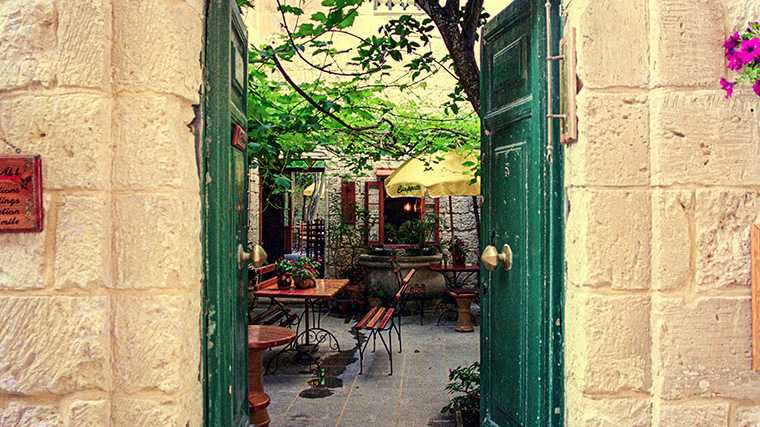
From the city walls, you can enjoy a panoramic view of all of Malta. Come early in the morning or later in the evening for a peaceful experience without day-trippers.
11. Mosta Rotunda
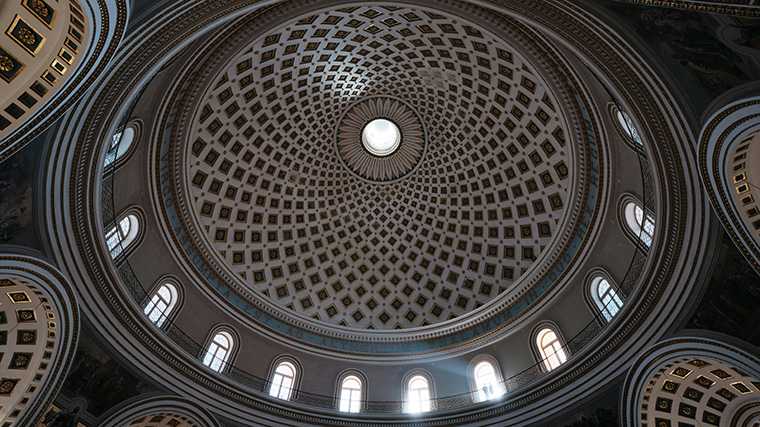
One of Malta’s most impressive buildings is located in the town of Mosta: the Rotunda. This neoclassical church dominates the town with its gigantic dome, the fourth-largest in the world. During a guided tour, you can go up to the dome’s balcony, where you’ll have a spectacular view of the interior.
The church became world-famous during World War II, when an aerial bomb fell through the roof while hundreds of people were inside. The bomb did not explode—an event known as “the Miracle of Mosta.”
12. Dingli Cliffs
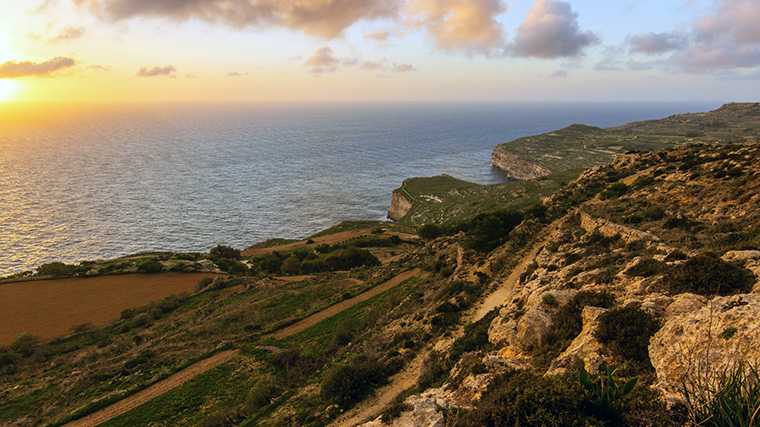
From Rabat, it’s a ten-minute drive to Malta’s highest cliffs: the Dingli Cliffs. They rise about 250 meters above the sea and are the perfect spot to witness a spectacular sunset. As evening falls, the rocks turn shades of golden yellow and orange.
You can take beautiful walks here, but be careful and stay away from the edge, especially when the wind is strong. You can relax on the many benches and enjoy the panoramic view of the Mediterranean Sea.
13. Popeye Village
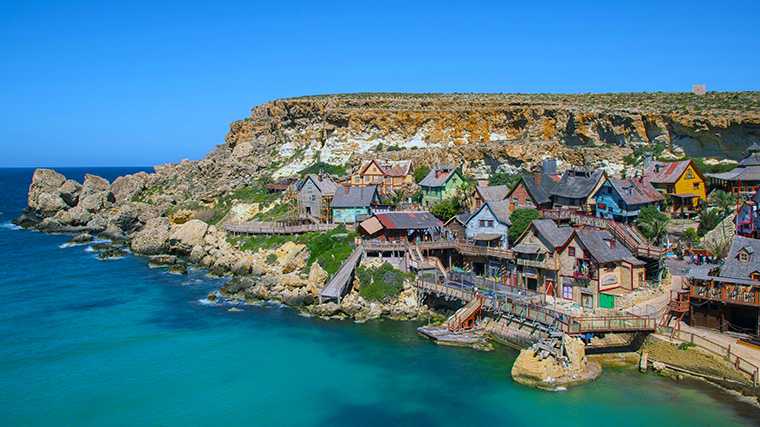
A small village was built on Malta specifically for the 1980 movie *Popeye *. This colorful movie set with wooden houses is now a small amusement park, complete with photo ops, entertainment, water activities, and mascots. You can also take a look behind the scenes. It’s a fun outing for movie lovers and families, but you can also simply enjoy the view from the cliffs across the way.
14. Coral Lagoon
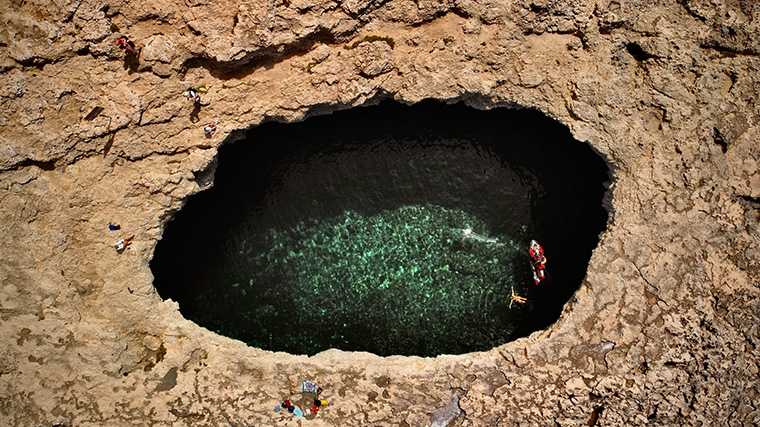
At the far northwestern tip of the island of Malta, you’ll find a truly impressive hole in the rock. You can park your rental car just a five-minute walk from this magical spot. There are fantastic opportunities for snorkeling and diving, but you can also simply admire the blue water from above. True daredevils jump off the cliff into the water, but make sure someone else has rented a boat in nearby Little Armier Bay to pick you up out of the water!
Gozo
Near the Coral Lagoon, you can take a 25-minute ferry ride from Cirkewwa to Mġarr on the smaller island of Gozo. You can bring your rental car on this ferry, and the fare is very reasonable. Gozo is an idyllic island with impressive cliffs, quiet beaches, and charming villages.
15. Victoria and the Citadel
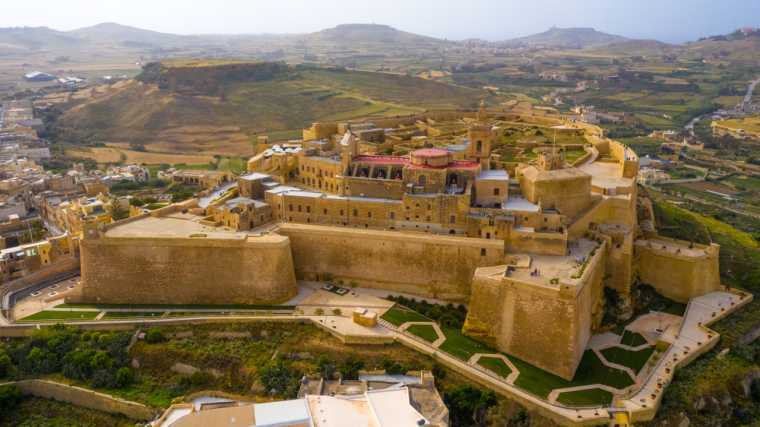
Victoria (also known as Rabat) is the capital of Gozo, where the imposing citadel dominates the skyline. You can park your car on the west side of the citadel. Part of the city has been beautifully restored, while another part still consists of ruins—which are just as fascinating to explore. The Baroque cathedral features a richly decorated interior. At the Archaeological Museum, you can delve into the island’s rich history, from prehistory to the early modern era.
Gozo is much more fertile than the larger island of Malta. You’ll notice this at the daily market on Independence Square (Pjazza Indipendenza), where an abundance of fresh local produce is sold.
16. The Tal-Mixta Cave
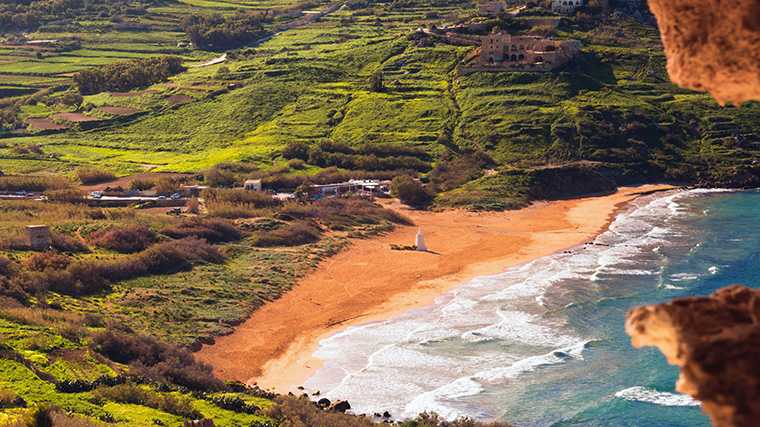
On Gozo’s north coast, you’ll find the island’s most famous viewpoint, the Tal-Mixta Cave. If you drive there in a rental car from Nadur, you’ll see a sign along the road indicating the parking area. From there, it’s a short walk to the entrance.
A staircase leads down to the main cave, which offers a fairytale-like view of Ramla Bay with its red-sand beach. It can get crowded there, but there’s an alternative: through a small opening on the right, you can climb out to a much quieter viewpoint—just as beautiful and often completely deserted.
17. Gozo’s Salt Pans
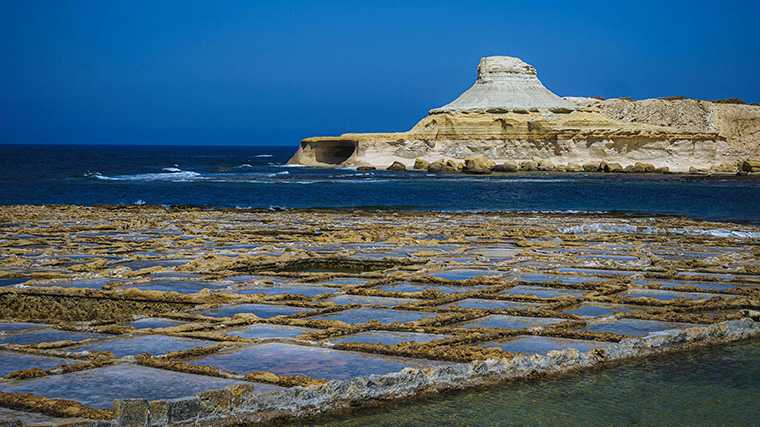
Gozo’s most iconic photo spot is probably the salt pans on the north coast. The first ones are located just west of Xwenji Bay, but if you drive a little further in your rental car (the coastal road is paved here), you’ll come to salt pans that were constructed in various shapes as far back as Roman times.
The salt pans are still in use: seawater is collected in them, and after evaporation, salt remains. The salt is harvested between mid-May and early September. You sometimes see photos of people walking along the small dikes between the salt pans, but don’t do that here, as it is strictly prohibited.
18. Sand Waves
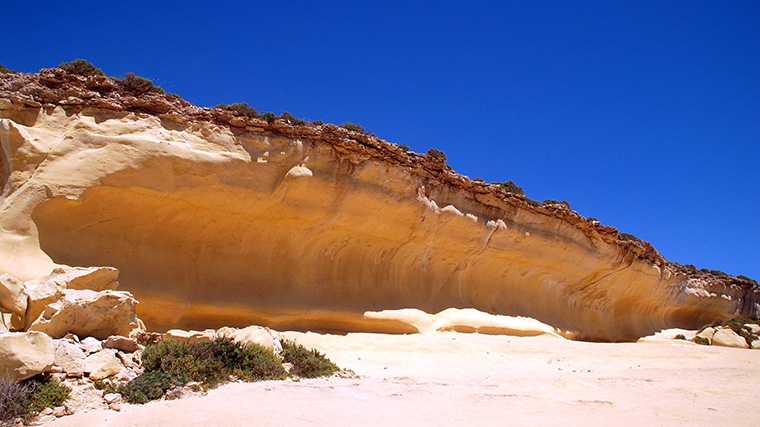
There are many more beautiful spots along Gozo’s north coast, such as the “sand waves” north of the village of Żebbuġ. It’s an unusual landscape of overhanging rocks that look like a wave frozen in time. From here, you also have a stunning view of the cliffs to the west.
19. Wied il-Mielaħ
Not far from the “sand waves” you’ll find Wied il-Mielaħ. After the Azure Window collapsed in 2017, this window-shaped rock arch has taken its place as a replacement for its more famous counterpart. From inland, you can get quite close to this rock, though it’s best to avoid the bumpy coastal road with your rental car. There’s a (small) parking lot at the end, so if you want to find a spot, head there early in the morning.
You can rappel down the rock across from it. The entire island of Gozo is a hotspot for rock climbers, with dozens of climbing walls for both beginners and advanced climbers.
20. Ta’Pinu Basilica
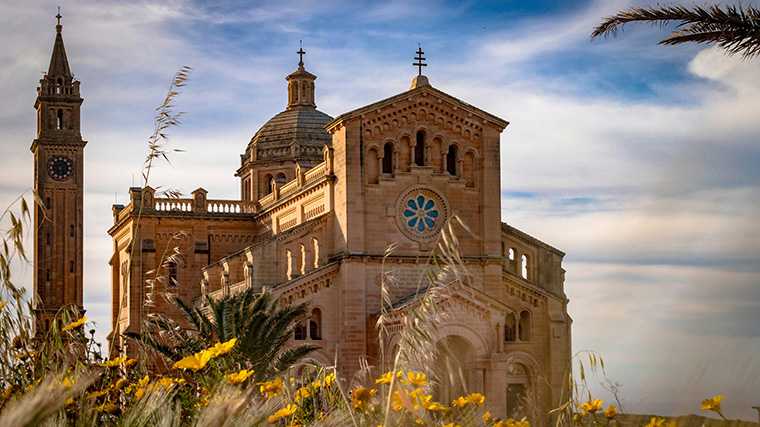
There is no shortage of Roman Catholic churches on the islands, but the Ta’Pinu Basilica is special because it stands in the middle of nowhere, east of the village of Għarb. And why there? Because a dilapidated little chapel once stood here, where devout believers heard voices and decided to build a larger church. The site is so sacred that no fewer than three popes have visited it. The current church was built at the beginning of the last century in the Neo-Romanesque style.
21. Gozo Sea Caves
The southeastern coast of Gozo, around Ħondoq Bay, is dotted with countless caves, some of which don’t even seem to have names. It’s fun to rent a kayak and explore them. On days when the sea is calm, you can paddle into narrow entrances that sometimes lead to enormous limestone caves.
22. L-Irdum Ta’ Ċenċ
On Gozo’s west coast, there are of course many spots where you can admire the sunset, but there’s also such a spot on the south coast. From the nearly vertical cliffs of Ta’ Ċenċ, you’ll be looking west. That steep rock face is very impressive, especially when the late afternoon sun shines on it. It’s a good ten-minute walk from the parking lot, but it’s an easy, flat path. It’s a perfect spot for a picnic, but don’t get too close to the edge of the cliff when the wind is strong!
Comino
Comino is Malta’s smallest inhabited island. It covers an area of 3.5 km² and has only a handful of permanent residents. Comino is known for its breathtaking bays, spectacular rock formations, and crystal-clear waters—a paradise for snorkelers, divers, and nature lovers. To visit this little island, you’ll need to leave your rental car behind.
23. Blue Lagoon
The most famous attraction is the Blue Lagoon, located between the main island and the even smaller Cominotto. The clear water there is very shallow, giving it an enchanting turquoise color and allowing you to see all the way to the bottom. It’s beautiful, but that also makes it one of the most touristy spots in all of Malta. If you want to avoid the crowds, you’ll have to get up very early. During the summer months, it’s actually no longer enjoyable, with so many boats cruising around, plus hundreds of day-trippers arriving by ferry.
24. Other Bays and Rock Formations
If you want to escape the crowds at the Blue Lagoon, there are two bays on Comino’s north coast that are much less crowded. Santa Marija Bay has a sandy beach with calm waters, and just a short walk from that beach, you’ll see jagged rock arches. San Niklaw Bay is a bit more secluded, equally beautiful, and even less visited. Comino’s coastline is dotted with caves and rock formations, perfect for kayaking or boat tours.
25. St. Mary’s Tower
Just like on the other islands, Comino has a defense tower: Torri ta’ Santa Marija. This sturdy, square tower from the early seventeenth century was primarily intended as a prison for knights who misbehaved. Here, they were tasked with deterring pirates. When the flag is flying at the top, you can visit this fort and enjoy a beautiful view from the roof.
The most beautiful beaches in Malta
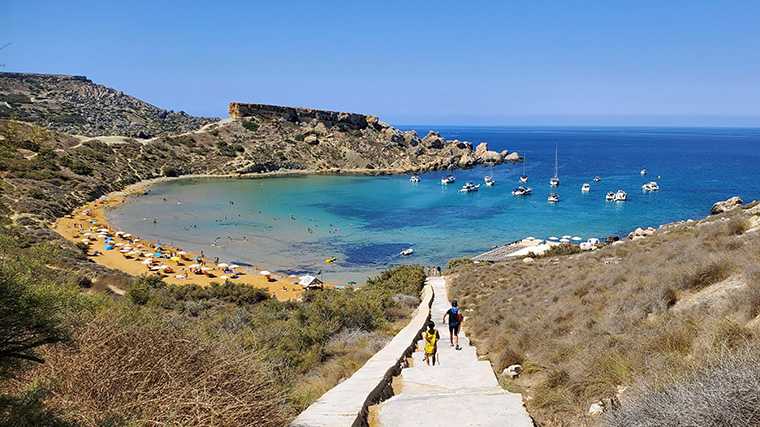
With more than 3,000 hours of sunshine a year, Malta is one of the sunniest countries in Europe! And on top of that, you’ll find beautiful beaches and rocky coves along the crystal-clear Mediterranean Sea. An ideal destination for a beach vacation! If you rent a car, you can visit a different beach every day.
We’ve already mentioned the Blue Lagoon and the bays along the north coast of Comino, the smallest island, above. That’s why we’re only giving you tips here for the best beaches on the main island of Malta and the smaller island of Gozo.
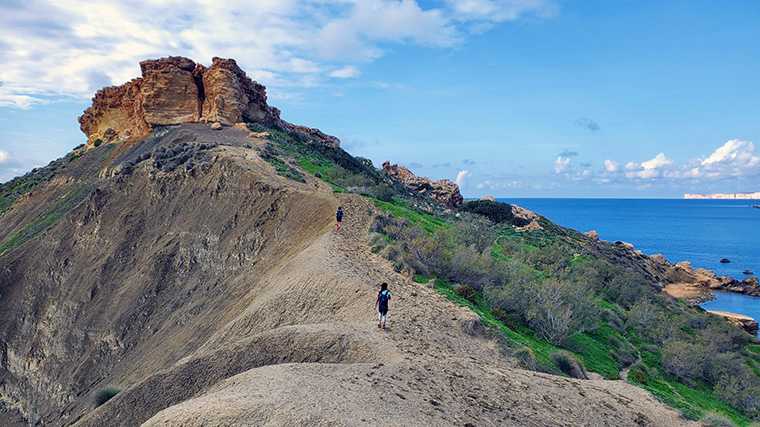
In the northwest of the main island, there are several popular sandy beaches. The best known is Golden Bay, followed by the slightly less crowded Għajn Tuffieħa (Riviera Beach) and Ġnejna Beach. The latter is a great option for those who want to go kayaking. Near the headland, you’ll find the spectacular Ta’ Marija sea cave. On the north coast, near the town of Mellieħa, lies the long and popular sandy beach of Għadira Bay. On the other side of that town, you’ll find a secluded cove with hardly any tourists: Imġiebaħ Beach. On the coast of the northernmost tip of the main island of Malta are less crowded beaches such as Armier Bay and Paradise Bay. A very beautiful rocky beach is Il-Kalanka, on the southeast coast, close to the better-known—and in summer overcrowded— St. Peter’s Pool.
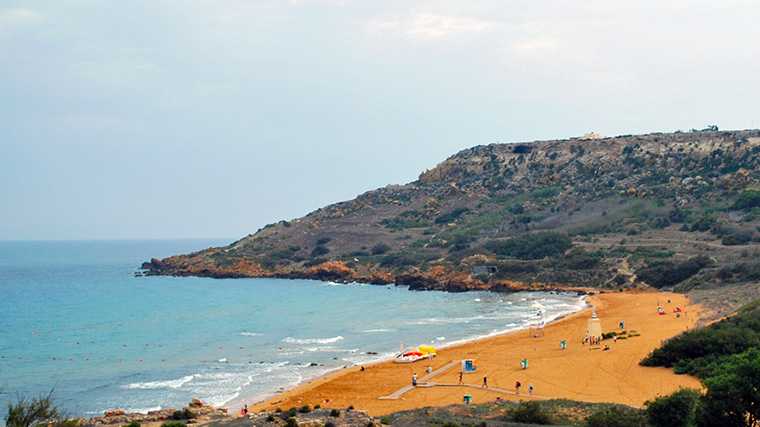
Ramla Bay, on the northeast coast of Gozo, is often cited as the most beautiful beach on all the Maltese islands. This beach is known for its red sand and slopes very gently into the water, making it ideal for small children. Another fantastic beach on Gozo is Ħondoq ir-Rummien, a small sandy cove in the southeast. This is also a popular spot for water sports such as kayaking, parasailing, jet skiing, and stand-up paddleboarding. You can reach this spot via a narrow road that descends to a small parking lot. Wied Il-Għasri is particularly special—a deep gorge with unbelievably turquoise water. The white, steep limestone cliffs on either side are dotted with green shrubs, and nestled between them is a small pebble beach. The pebble beach in the deep cove of Mġarr ix-Xini is also rarely visited but is absolutely stunning. The cove is perfect for diving and snorkeling.
Dive Sites in Malta
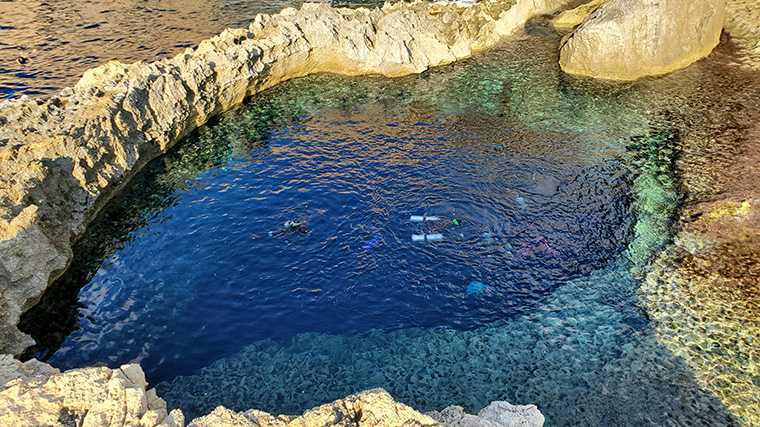
Malta is known as one of the best diving destinations in Europe. There is a wide variety of dive sites, ranging from reefs and impressive sea caves to historic shipwrecks. Thanks to the clear water, visibility is often more than thirty meters, especially in the summer when the sea is calm. We can only mention a few of the many dive sites here.
The Inland Sea in western Gozo is a slightly exaggerated name. It’s actually a small lake connected to the open sea via a 100-meter-long tunnel through the cliff. Nearby is the Blue Hole, one of the most popular dive sites. If you enjoy spotting colorful marine life, Anchor Reef is a top choice, while Ras il Ħobż on the south coast features dramatic drop-offs and cool rock formations.
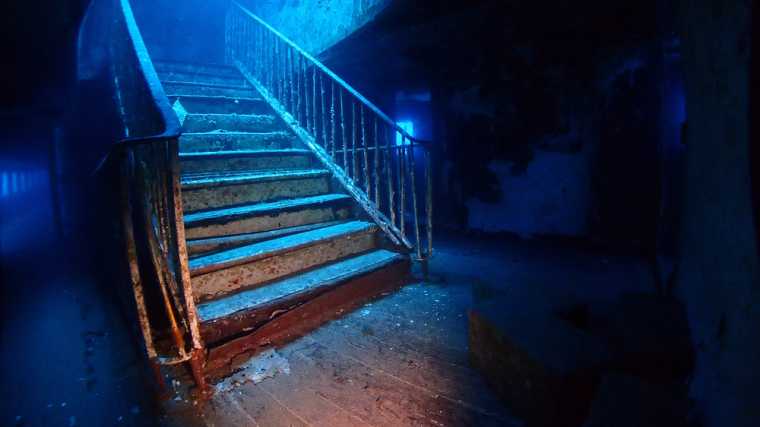
Not far from there lies the wreck of the MV Karwela, a former passenger ship that was deliberately sunk to serve as an artificial reef. The wreck lies at a depth of forty meters and is accessible to experienced divers. Particularly impressive is the long ship’s staircase, which is beautifully overgrown with marine life. There are about a dozen other shipwrecks scattered around the Maltese islands, as well as the remains of a bomber, and there’s even a jeep on the seabed. The Cathedral Cave and Billinghurst Cave are stunning sea caves located close to each other on the north coast of Gozo. Only advanced divers venture down here, as the caves are accessible only deep underwater.
When is the best time to take a road trip in Malta and Gozo?
Malta has a mild, Mediterranean climate year-round, but the islands get very crowded during the summer months. The best months for a road trip are therefore in the spring (April/May) and fall (late September/October/early November). If you don’t mind a bit of wind, winter is a great time to visit Malta—not for swimming, but for long walks through the beautiful natural scenery.
Roads and Traffic Conditions
The road network in Malta and Gozo is generally well-maintained, but outside urban areas, the roads can be very narrow. The route to remote spots can be bumpy, and you should also watch out for potholes. Because of these narrow roads, it’s best to rent a small car, though that choice naturally depends on the number of people you’re traveling with.
In Malta, they drive on the left, and if you’re not used to it, it takes a little getting used to, but you’ll adapt faster than you think. Speaking of getting used to it: to avoid having to think about it at all, you might want to consider renting an electric car.
Why rent a car in Malta?

Malta and Gozo are small islands, so the distances aren’t great, but we still recommend renting a car for your vacation. While there is public transportation on the islands, many buses run only once an hour and there are numerous stops. As a result, it takes a long time to get from one place to another by bus—time you’d rather spend enjoying all the wonderful things Malta has to offer. A rental car gives you the ultimate freedom to explore every nook and cranny of this culturally rich country.
We recommend booking a rental car well in advance. Take your time to compare the offers from various rental companies in Malta on our site and make your choice, so you can be sure the rental car that suits you will be ready for you upon arrival. For a completely worry-free driving experience in Malta, choose a rental car with our Worry-Free label. This includes all necessary insurance and covers your deductible!

Where would you like to rent a car?
- 24000+ pick-up locations
- Free cancellation
- Independent comparator

Useful tips for a well-prepared trip
Which insurance should I choose, and what's the deal with the deposit? Read our articles with useful information and tips to ensure you choose the right rental car for you.