- Popular countries
- Popular regions
- Popular cities
- Popular airports
- Car Rental Italy
- Car Rental Spain
- Car Rental United States
- Car Rental Portugal
- Car Rental South Africa
- Car Rental France
- Car Rental Netherlands
- Car Rental Greece
- Car Rental Germany
- Car Rental United Kingdom
- Car Rental Belgium
- Car Rental Croatia
- Car Rental Switzerland
- Car Rental Austria
- Car Rental Denmark
- Car Rental Norway
- Car Rental Australia
- Car Rental Ireland
- Car Rental Cyprus
- Car Rental Canada
- Car Rental Florida
- Car Rental Sicily
- Car Rental California
- Car Rental England
- Car Rental Sardinia
- Car Rental Mallorca
- Car Rental Ibiza
- Car Rental Crete
- Car Rental Tenerife
- Car Rental Rhodes
- Car Rental Madeira
- Car Rental Corsica
- Car Rental Gran Canaria
- Car Rental Malta
- Car Rental Scotland
- Car Rental Azores
- Car Rental Fuerteventura
- Car Rental Lanzarote
- Car Rental Corfu
- Car Rental Zakynthos
- Car Rental Amsterdam
- Car Rental Milan
- Car Rental Miami
- Car Rental Lisbon
- Car Rental Malaga
- Car Rental Porto
- Car Rental Rome
- Car Rental Cape Town
- Car Rental Barcelona
- Car Rental Faro
- Car Rental Alicante
- Car Rental Nice
- Car Rental Bari
- Car Rental Naples
- Car Rental Johannesburg
- Car Rental Brussels
- Car Rental Bergamo
- Car Rental Orlando
- Car Rental Palma de Mallorca
- Car Rental Vienna
- Car Rental Amsterdam Schiphol Airport
- Car Rental Miami International Airport
- Car Rental Lisbon Airport
- Car Rental Malaga Airport
- Car Rental Porto Airport
- Car Rental Milan Malpensa Airport
- Car Rental Rome Fiumicino Airport
- Car Rental Faro Airport
- Car Rental Alicante Airport
- Car Rental Bari Palese Airport
- Car Rental Nice Airport
- Car Rental Barcelona Airport
- Car Rental Cape Town Airport - International Terminal
- Car Rental Bergamo Airport
- Car Rental Orlando International Airport
- Car Rental Mallorca Airport
- Car Rental Catania Airport
- Car Rental Johannesburg International Airport
- Car Rental Ibiza Airport
- Car Rental Athens Airport

The Ultimate Road Trip Through Enchanting Hungary
Road Trip by Rental Car to 20 Highlights
Budapest, Hungary’s stunning capital, is a popular destination for a city trip, and Lake Balaton also attracts many tourists, but did you know that the country has so much more beauty to offer? For one thing, Hungary’s cities are all gems in their own right, and it’s a delight to drive through the rolling hills, dotted with ancient ruins, picturesque villages, and vineyards. The flat lowlands in the east, with their many lakes, have a charm all their own.
Public transportation is inadequate for a road trip through Hungary, so it’s much better to rent a car. With a rental car, you can see as much of this fascinating country as possible and enjoy complete flexibility. You’ll visit places with few or no other tourists and get to know the friendly, hospitable Hungarians.
1. Budapest
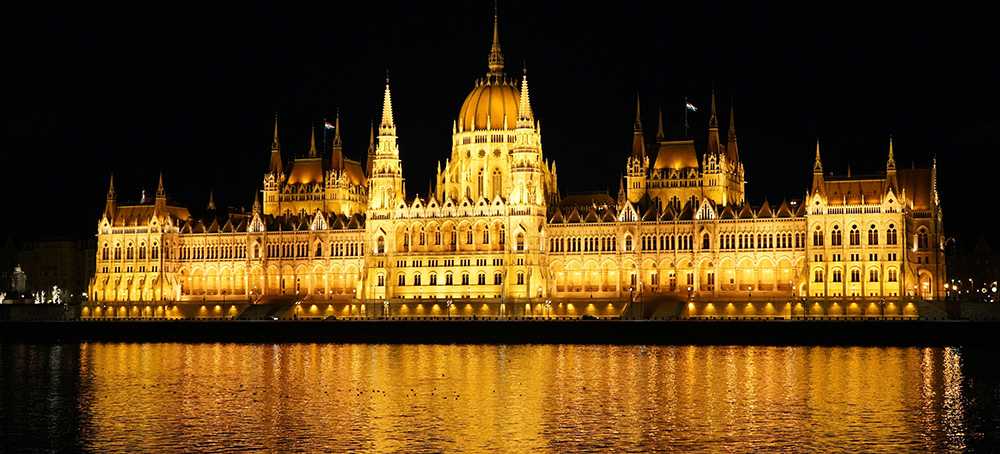
The Hungarian capital straddles the Danube: Buda on the right bank and Pest on the left bank. For centuries, they were two separate cities until they were merged into Budapest in 1873. A few years later, the Országház (Parliament Building) was erected on the riverbank. It’s located in Pest, but this rather grandiose structure is best viewed from the opposite bank.
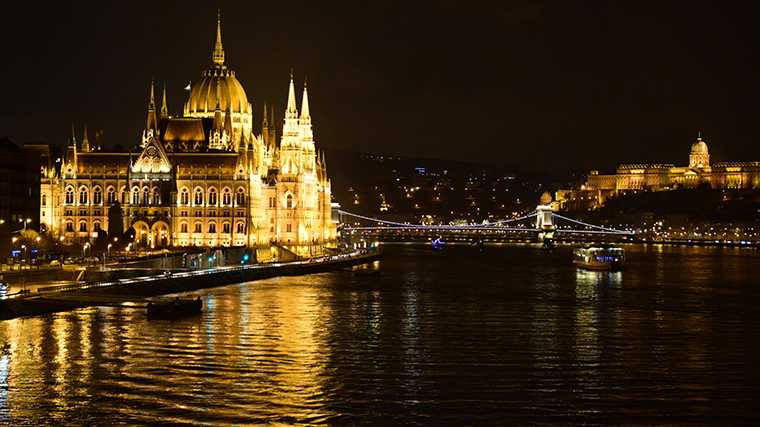
Buda is hilly, and high above this district stands the former royal palace on Castle Hill (Várhegy). There, you’ll get a glimpse into the golden age of the Austro-Hungarian Empire and the life of the aristocracy during that time. The palace houses, among other things, the National Gallery, featuring Hungarian paintings and sculptures dating back to the Middle Ages. The Fisherman’s Bastion, with its seven turrets, resembles an old fortress, but it isn’t one. It was built around 1900 and offers a panoramic view of Budapest.
You can also enjoy a beautiful view—though on the other side of the Danube—from the tower of St. Stephen’s Basilica (Szent István Bazilika) in the flat Pest district. The church houses the right hand of Hungary’s first king, Saint Stephen. Pest is the commercial heart of Budapest, full of bustling shopping streets, large squares, and wide boulevards. It is also home to the Great Market Hall (Nagycsarnok), one of the most beautiful and largest market halls in Europe.
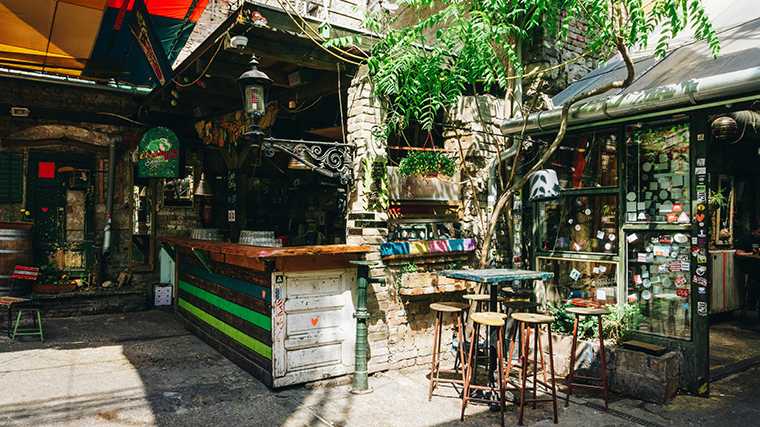
Don’t think of Budapest as an open-air museum. The city’s historic and elegant landmarks blend seamlessly with its vibrant population. You’ll find chic, traditional coffeehouses bustling with life, lively bars, and exciting nightclubs. In the Pest district, you’ll come across so-called “ruin bars” everywhere. These are old, abandoned houses and gardens that have been transformed into trendy spots. To emphasize the “ruin vibe,” the bar, furniture, and decorations are often made from scrap wood or secondhand items. The first and best-known ruin bar is Szimpla Kert (Simple Garden), which actually consists of several bars and an art gallery. Other popular bars in Budapest include Lampas and Instant Fogas. Bands often perform at these ruin bars.
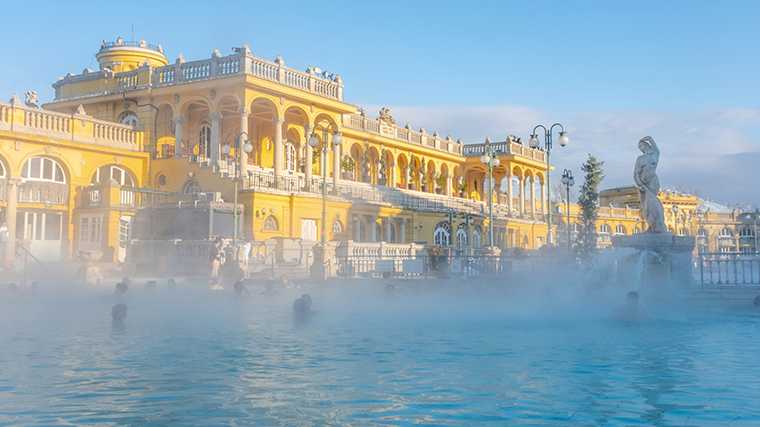
The Romans built bathhouses near the hot springs around Castle Hill, and many more were added during Ottoman rule. Budapest now has dozens of bathhouses, each one more beautiful than the last. The Rudas Baths still exude a genuine Eastern atmosphere and feature an impressive stained-glass dome. The Széchenyi and Gellért bathhouses are also magnificent.
2. Szentendre
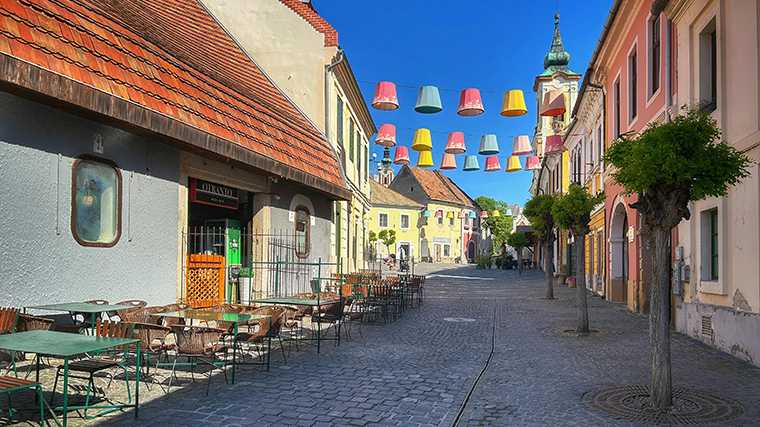
Just north of Budapest lies the artists’ town of Szentendre, which is Hungarian for Saint Andrew. It is undoubtedly a picturesque town, but during the summer months and on weekends, it’s overrun with day-trippers. It’s not hard to see why it’s so popular, as it has a slightly Mediterranean vibe, quite different from the capital. After wandering through the cobblestone streets and admiring art in the many galleries, you can enjoy a drink or a bite to eat along the river.
3. Esztergom
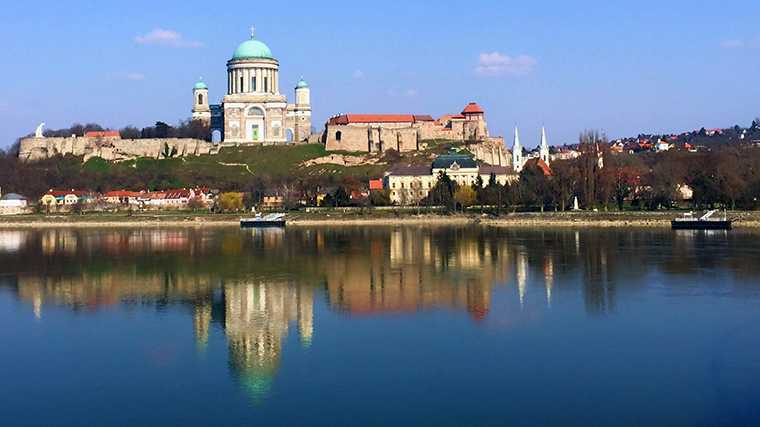
If you’ve rented a car in Budapest, it’s about a 50-kilometer drive to Esztergom. Take the route through Pomáz and Pilisszentkereszt, which takes you through the hills of the densely forested Duna-Ipoly National Park Duna-Ipoly . There, you can take a lovely walk through the valley of the Dera stream. From the main road, you’ll see a small side road leading to a spacious parking lot.
Esztergom is the original capital of the Kingdom of Hungary and is also located on the Danube, which forms the border with Slovakia here. It is the seat of the Primate of Hungary, and as such, there is no shortage of religious buildings. The showpiece is the gigantic basilica, the largest church in Hungary. The dome is over seventy meters high, and inside you’ll see an enormous altarpiece. Valuable gold and silver jewelry is on display in St. Stephen’s Chapel. When the weather is nice, you can climb up to the dome’s balcony for a magnificent view of the bend in the Danube and Slovakia across the river. You can visit that country without border control, but if you’re doing so in a rental car, be sure to mention when making your reservation that you ’ll be crossing the border.
The relatively small Esztergom Castle, right next to the cathedral, also served as the royal residence, from the reign of the first king, Stephen, until its conquest by the Ottomans. It’s a sturdy castle with a museum dedicated to its various inhabitants and, once again, a fantastic view.
4. Visegrád
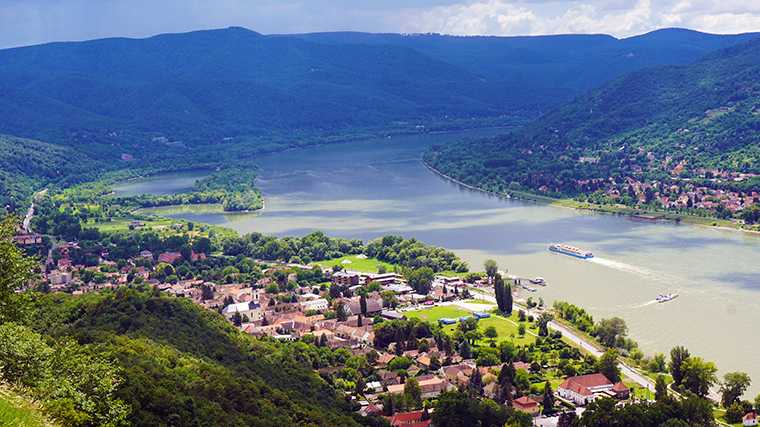
From Esztergom, take the scenic route along the bend of the Danube to Visegrád, a small town known for its medieval heritage. Perched high on a cliff are the ruins of Visegrád Castle, which you can reach by rental car via a winding road. Haven’t had your fill of the views of the Danube yet? Then you’ll be in for a treat here—the road leading up is aptly named Panoráma út. Along the way, there are several lookouts where you can stop, but from the castle, you’ll enjoy a panoramic view. Just watch out for motorcyclists, as they love to use this road to show off their skills. At the foot of the castle stands the royal palace. A few of the original walls are still standing, but most of it has been reconstructed.
Feel like getting active? Then drive a little further up past the castle and you’ll reach an adventure park where you can go bobsledding and zip-lining. Kids will have a blast climbing and scrambling among the trees. You can also go on many hiking and biking trips in the Visegrád area, including through the dense forests around the village of Pilisszentlászló.
5. Hollókő
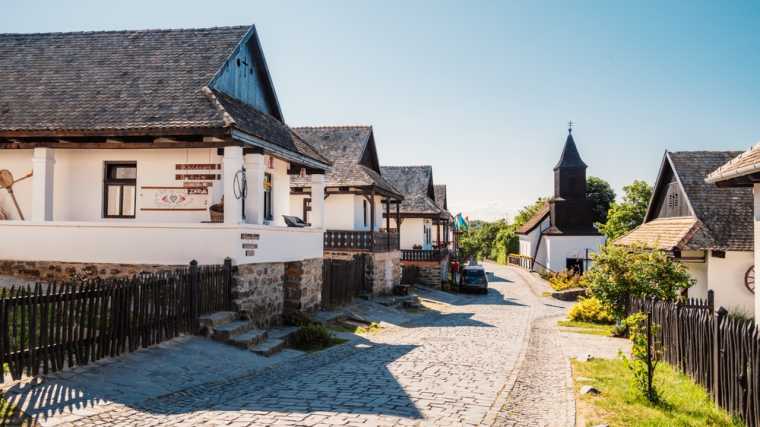
You’ll find something quite different from royal glitz and glamour in the village of Hollókő. The fastest route there is via the Budapest ring road and the M3 highway. You can also take the ferry across the Danube at Visegrád and then drive east on Route 22. This unique village features traditional houses with whitewashed mud-brick walls, thatched roofs, and carved wooden porches, characteristic of the Palóc people. The Palóc have preserved their distinctive traditions, and the old part of the village serves partly as an ethnographic museum. You’ll see traditional costumes, as well as demonstrations of handicrafts and traditional working methods.
From the parking lot, a path leads to the partially restored medieval castle of Hollókő. A nice touch is that some of the castle’s rooms have been furnished to look just as they did in the thirteenth century.
6. Mátra Mountains
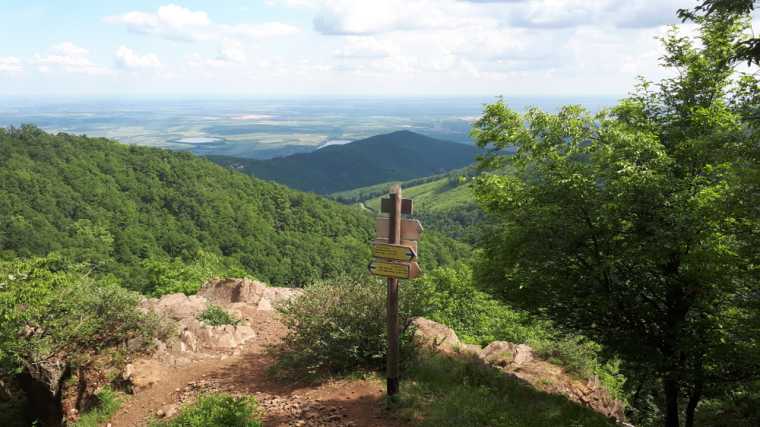
Drive from Hollókő to Pásztó, then take the road toward Galyatető. You’ll drive through beautiful countryside, a preview of what lies ahead. Pull your rental car over every now and then and take a walk. For example, head to the ruins of Hasznos Castle—not so much for the few remaining ruins themselves, but for the view of the reservoir. Further along this road, you’ll find trails leading to small waterfalls, rustic streams, and springs. The hiking trail through the Rattlesnake Valley (Csörgő-szurdok) is also beautiful.
Before and after Galyatető, you’ll have already navigated a few hairpin turns, but things really get fun once you reach the main road to Eger (Route 24). It’s a wonderfully winding road with excellent pavement, but be on the lookout for motorcyclists here as well, especially if you’re driving on the weekend. Want to visit Hungary’s highest mountain, Kékes (1,014 m)? Then don’t head straight to Eger—instead, head toward Mátraháza first. At that village, take the turnoff toward Kékestető, and after just over three kilometers, you can park your rental car just below the actual summit. It can get very crowded there, though.
7. Eger
Eger is a historic city, famous for its 13th-century castle, thermal baths, and robust wine. Eger Castle played a crucial role in the defense against the Ottoman advance. It was here, in 1552, that just 2,000 Hungarians managed to repel an army of 60,000 Ottomans. It wasn’t just the men who fought; the women of Eger did their part by pouring hot oil and fat on the invading army from the castle walls. After a 38-day siege, the Ottomans withdrew. It wasn’t until fourteen years later that they succeeded in capturing Eger. The forty-meter-high minaret, the northernmost minaret of the Ottoman Empire, serves as a reminder of this. In the castle’s underground passages, the heroic battle for the fortress is kept alive.
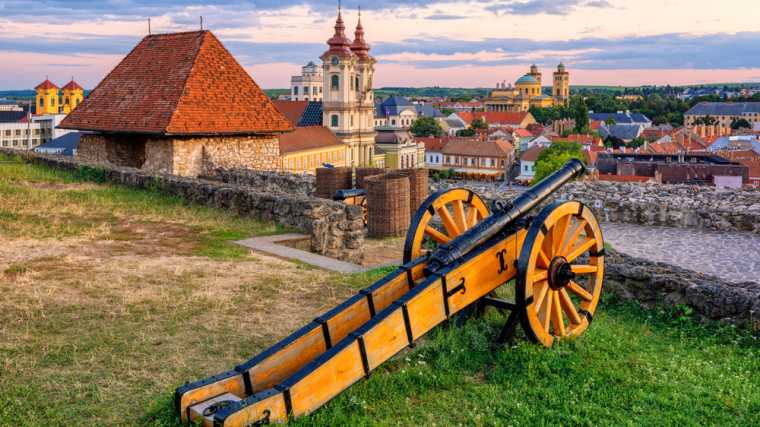
Eger’s central square is named after the man who led the troops against the Turks, István Dobó, and is surrounded by beautiful Baroque-style buildings, including the Minorite Church of St. Anthony. Other historic structures include the cathedral and the lyceum. The charming downtown area hosts numerous events and activities throughout the year.
The Valley of the Beautiful Lady (Szépasszonyvölgy) is a famous wine region located about a thirty-minute walk from the city center, but you can, of course, also drive there in your rental car. If you think you can’t get enough of the famous local wine Egri Bikavér (Bull’s Blood), you’re better off taking the little train that runs between the city center and the valley. The wine’s name is said to be connected to the town’s defense in the sixteenth century. The Ottomans believed that the fierce Hungarians drew their strength from drinking bull’s blood. You can find out for yourself whether the drink really does give you that much strength by visiting one or more of the dozens of wine cellars.
8. Bükk National Park
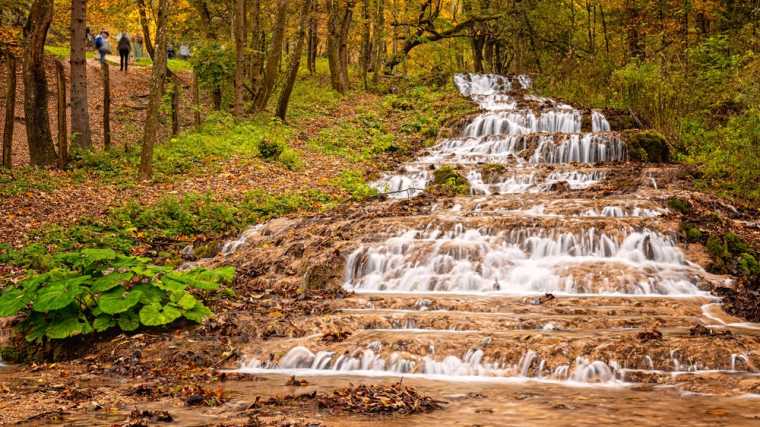
Bükk National Park is one of Hungary’s most beautiful natural areas. If you drive north from Eger, you’ll reach the valley of the Szalajka River. From the parking lot at Szilvásvárad, you can walk to the Millennium wooden observation tower, but you can also get a little closer in your rental car via a fairly narrow road. There’s a small tourist train that follows the course of the river, but it’s more fun to hike one of the many trails. A top attraction is the Fátyol Waterfall, which consists of several successive “steps.” A little further on, you’ll reach the Istállós-kő Cave, where traces of prehistoric habitation have been found. There are more than a thousand known caves in the Bükk Mountains, including some of the deepest in Hungary.
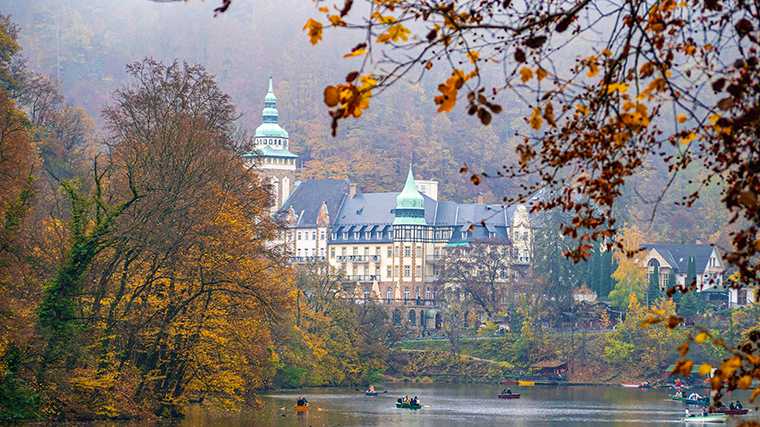
Another way to explore Bükk National Park is to drive the stunning road between Felsotarkarny and Lillafüred in your rental car. If you’re driving from Eger to Felsotarkarny, you might be a little disappointed at first, because that stretch is dead straight. But after that, this 40-kilometer-long road winds through dense, green forests with challenging hairpin turns, over rolling hills and a few steep slopes. There are plenty of reasons to stop along this road as well—for example, to visit the Vaskapu or Lök-völgyi caves. There are also several springs where water bubbles up from between the rocks. Just before Lillafüret, the entrance to the Szent István Cave is right next to the road. This cave is known for its beautiful stalactites. Another attraction in Lillafüret is the twenty-meter-high Szinva Waterfall. You can take beautiful hikes in the surrounding area, including to the rugged rock formations of Molnár.
9. Diósgyőr Castle
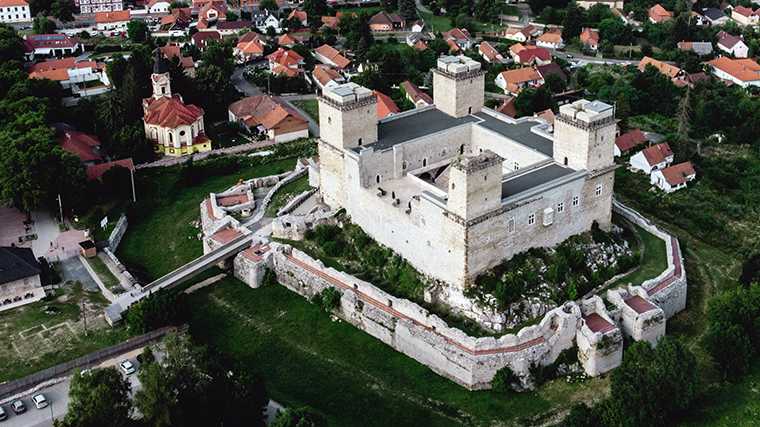
Just east of Lillafüret stands Diósgyőr Castle. King Louis I had it built in the 14th century, and the kings who succeeded him invariably gave it as an engagement gift to their future wives. Hence its nickname, “the Queens’ Castle.” Renovation of the castle has been on hold for years, but if everything goes according to plan, it should be completed by 2025, and the castle will be open to visitors again. Check the website for the latest updates.
It is a square castle with an impregnable-looking tower at each corner. The rooms are furnished in a medieval style, and life in that era is further brought to life by staff members dressed in medieval attire. The crown jewel is the Knights’ Hall, which covers an area of 380 square meters, making it one of the largest rooms in medieval castles in Central Europe.
Next to the castle is the Arena, where concerts, theater performances, festivals, and historical reenactments take place in the summer, including jousting tournaments featuring “knights” on horseback.
10. Miskolctapolca Cave Bath
Miskolctapolca is a suburb of the city of Miskolc and is best known for the cave bath in Közpark. It’s a unique experience to splash around and play in the hot springs of a large cave system. The karst water is also said to have healing properties. The complex is quite extensive. In addition to the old cave bath, there are various indoor and outdoor pools, children’s pools, steam baths, saunas, and solariums.
11. Aggtelek Caves
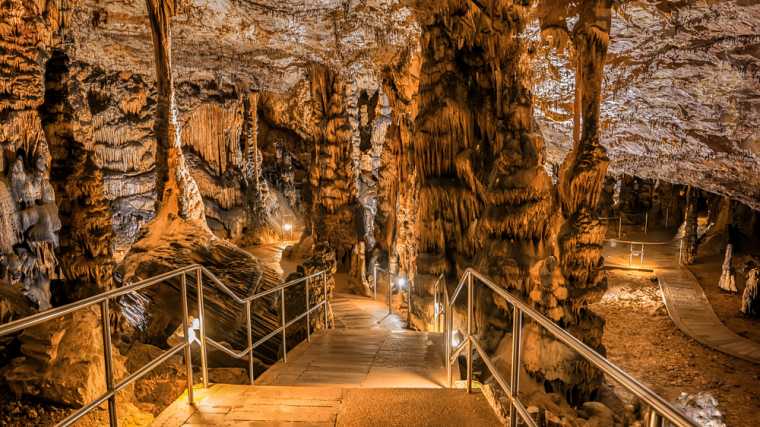
About forty kilometers north of Miskolc, you’ll reach the vast Aggtelek National Park, a beautiful forested area where you can take long hikes, but it’s best known for its impressive karst caves. The most famous is the Baradla Cave, which is no less than 25 kilometers long and extends all the way into Slovakia. There are two places where you can park your rental car for a guided tour of the cave. The short tour, lasting about an hour, starts from the parking lot near the village of Jósvafő; the longer tour, lasting just over an hour and a half, begins from the parking lot Vörös-tó. Along the way, you’ll encounter stunning formations in kaleidoscopic colors and impressive chambers with evocative names such as the Mother-in-Law’s Tongue, Santa Claus, the Tiger, and the Dragon’s Head. The cave’s largest chamber has fantastic acoustics, and concerts are regularly held there in the summer.
12. Boldogkő Castle
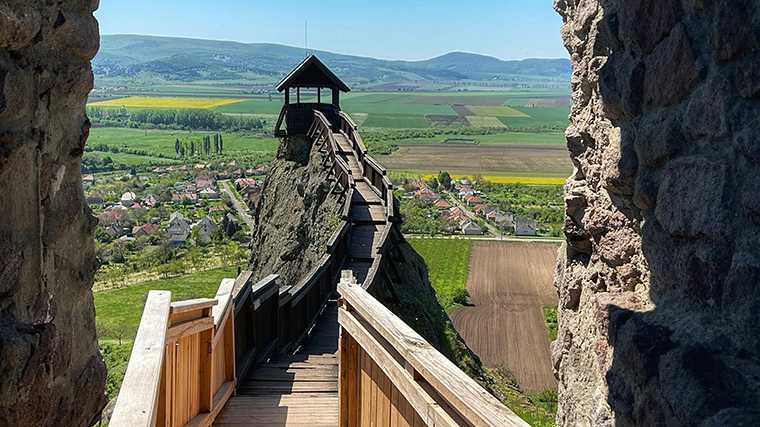
If you’re on your way to the Tokaj wine region, it’s definitely worth taking a detour through Boldogkőváralja, at the foot of the Zemplén Mountains. The village’s medieval castle is quite small, but a real gem! Not only is it largely well-preserved and beautifully restored, but it also houses a massive collection of tin soldiers. The dioramas depict various Hungarian battles. The highlight is the observation bastion and the path leading to it along a very narrow ledge.
13. Tokaj
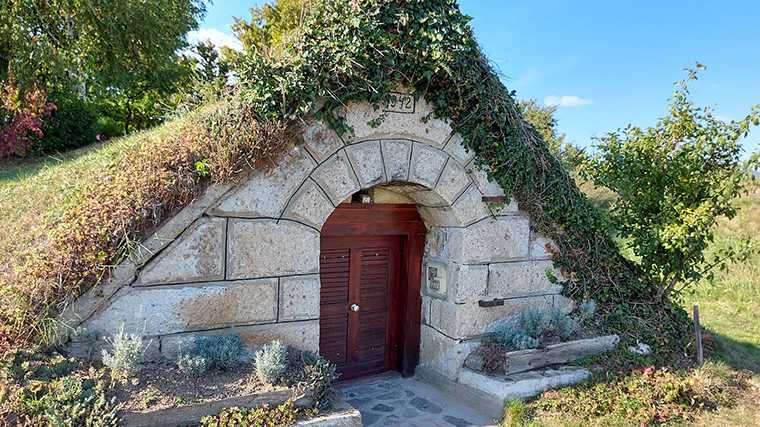
While Eger is known for its full-bodied red wines, Tokaj and the surrounding area are famous for their sweet white wines, which are usually served with dessert. Tokaji Aszú has been produced here since the sixteenth century. The region offers ideal conditions for the development of a specific mold that perforates the grape skins—known as “noble rot.” The autumn sun then leads to increased sugar concentrations. Tokaj’s centuries-old wine cellars have high humidity, causing the walls and vaulted ceilings to be covered with a thick layer of mold.
The area around Tokaj is a protected cultural landscape, and you can visit various vineyards there. An explanation of traditional winemaking methods is always followed by a tasting. That glass is free, but you’re expected to buy one or more bottles. The wine cellars on Gombos Hill, north of Tokaj, stand out for their distinctive triangular roofs.
The area just north of Tokaj floods every spring due to rising water levels in the Bodrog and Tisza rivers. Between mid-April and late May, it becomes a marshland that you can explore by canoe. You’ll paddle through a beautiful green landscape where falcons, eagles, herons, and other birds make their home.
14. Hortobágy National Park
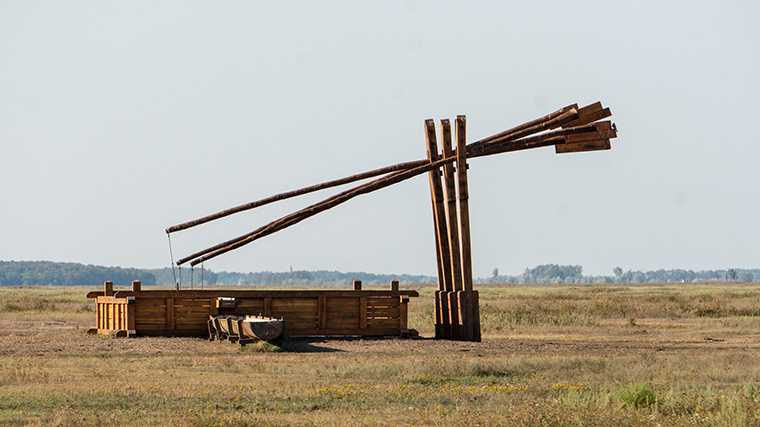
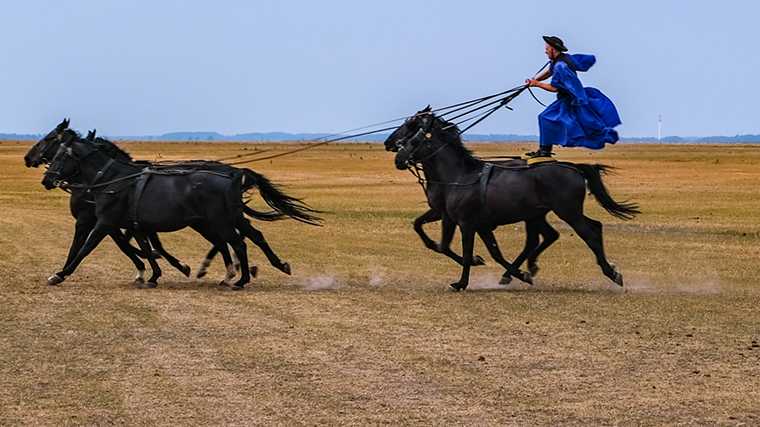
West of Debrecen lies Hortobágy National Park, Hungary’s oldest and largest protected area. In the past, virtually the entire Hungarian Great Plain consisted of the typical puszta landscape, but much of it is now used for crop farming. The Hungarian word puszta means “emptiness,” and originally, the vast steppe was grazed mainly by sheep. Horses were also bred there, and there are still several renowned horse breeding farms. The best known is Hortobágy Máta, where horsemen (csikós) regularly showcase their skills.
The visitor center in the village of Hortobágy provides detailed information about activities, attractions, and nature walks in the national park. For example, you can book a tour to the Vadaspark, home to animals such as gray cattle, wolves, foxes, Przewalski’s horses, storks, and pelicans. You can also take a covered wagon ride or go horseback riding on your own. At the Shepherds’ Museum (Pásztormúzeum), you’ll learn all about the traditional lifestyle of Hungarian shepherds. The museum is located near the iconic 19th-century Nine-Arch Bridge (Kilenclyukú híd).
The Puszta consists of more than just grasslands; flooding from the Tisza River has also created marshes and small lakes. Cranes once nested in this area, but nowadays these birds only migrate through it. The large flocks of cranes are a spectacular sight in the fall.
15. Kecskemét
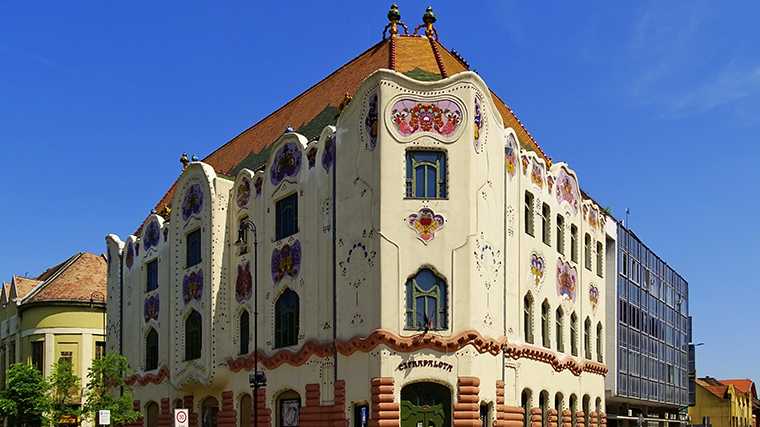
It’s about a two-and-a-half-hour drive by rental car to the charming city of Kecskemét in the heart of the Great Hungarian Plain. It’s known for its many interesting museums and its Hungarian Art Nouveau architecture. Prominent examples include City Hall and the colorful Cifra Palota. The latter building houses an exhibition of modern Hungarian art. The city is also home to Hungary’s only Museum of Photography. In addition to a rich collection of historical and contemporary works by Hungarian photographers, it features a stunning collection of cameras, ranging from massive old box cameras to sleek modern designs. The city is situated in the heart of a fruit-growing region, so it’s no surprise that the local specialty is apricot brandy (barackpálinka). Though it does sometimes go down a little too easily…
16. Szeged
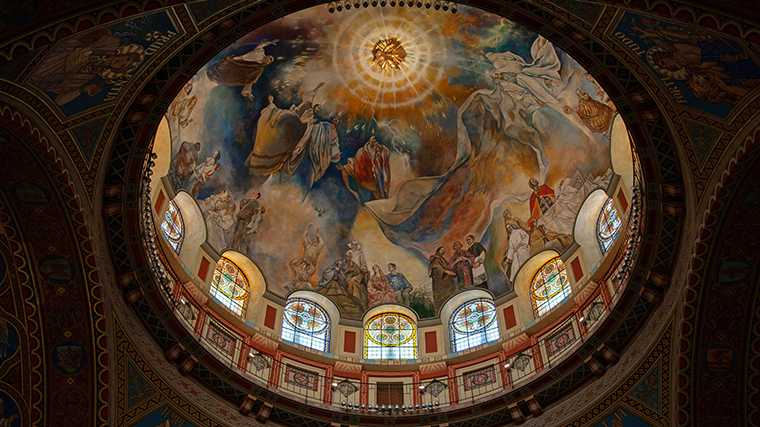
The vibrant university town of Szeged is about an hour’s drive from Kecskemét and is known for its beautiful historic buildings, green parks, and lovely city squares, where you can relax at one of the many outdoor cafes. Szeged also features Art Nouveau architecture, such as the Reök and Gróf palaces. The exterior of the synagogue also shows Art Nouveau influences. It is a magnificent building with a breathtaking domed ceiling, stunning stained glass, and an impressive organ.
The city lies on the Tisza River, and the park along the river is a delightful place to stroll. The Móra Ferenc Museum is also located there, housed in an imposing neoclassical building. It is a very diverse museum featuring works by Hungarian painters, as well as exhibitions on archaeology, ethnography, history, and natural sciences. The richly decorated Votive Church is a magnificent example of Neo-Romanesque architecture. The church stands on the large Cathedral Square (Dóm tér), which is lined with arcades and regularly hosts cultural events and theater performances.
As a university town, Szeged has a vibrant nightlife. If you want to recover from that the next day, head to the beautiful botanical garden across the Tisza River. The observatory on the edge of that garden is a great place to visit with children.
17. Pécs
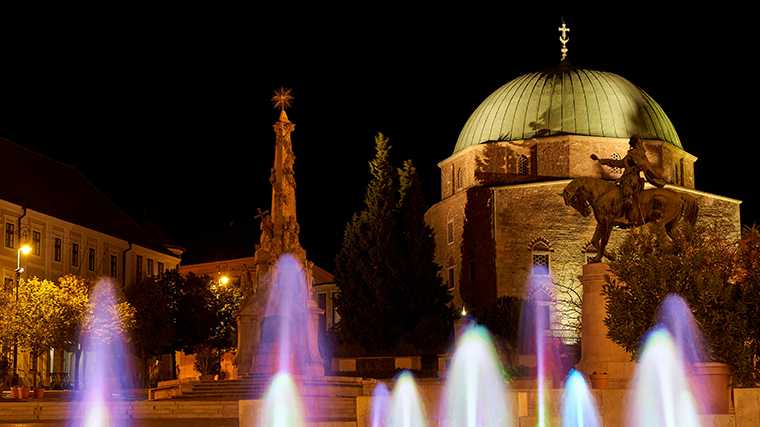
Southern Hungary is home to many charming cities. Pécs is a prime example of the mix of cultures throughout the country’s history. There, you’ll find remnants from Roman times, the Middle Ages, the Ottoman period, and buildings dating back to the era of the mighty Habsburg Empire. The city features a blend of architectural styles—Gothic, Renaissance, and Baroque—and you’ll find Christian churches with bell towers standing side by side with Islamic places of worship featuring minarets.
A good example of the city’s fascinating past can be seen in the central square, Széchenyi tér, where the mosque is now a church, but the Islamic crescent is still visible on the dome, topped by a cross. Pécs Cathedral has no fewer than four towers and a stunning interior.
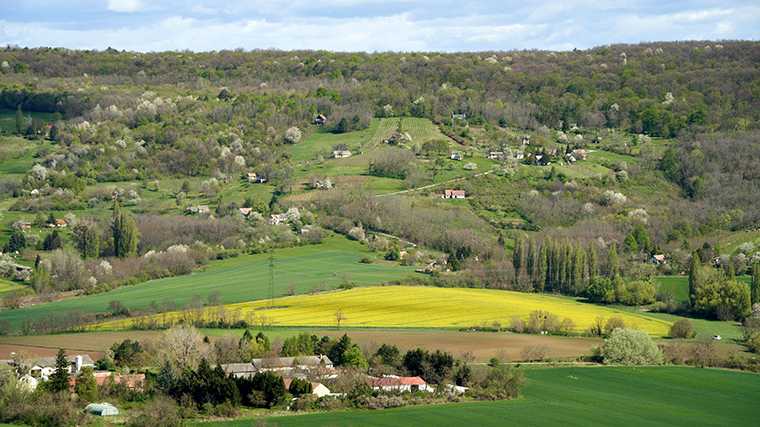
Next to the cathedral lies the Zsolnay cultural district. On the site where a famous porcelain factory once stood, you’ll now find art galleries, music venues, and cafés. The area’s history hasn’t been forgotten, as there’s a museum dedicated to the origins of the porcelain factory and the Zsolnay family. You can also see masterpieces from the historic collection, known as the Gyugi Collection.
North of Pécs lie the Mecsek Mountains, crisscrossed by dozens of hiking trails. The main attraction is the TV tower, which soars 197 meters into the sky. You can’t climb that high—the observation deck is located at a height of 75 meters. There’s also a restaurant.
18. Lake Balaton
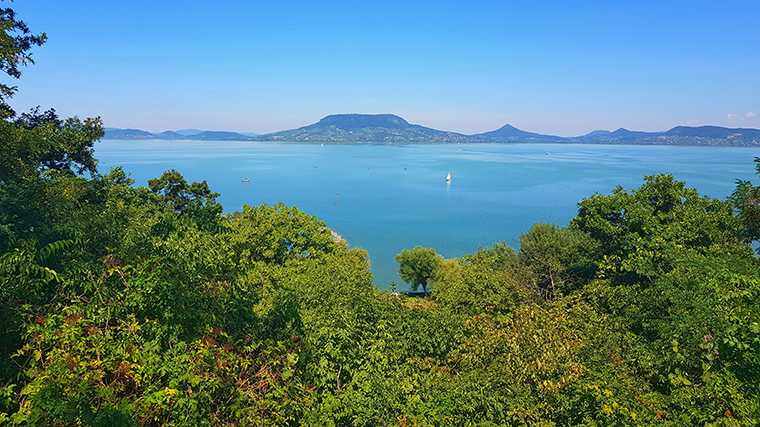
Lake Balaton, the largest lake in Central Europe, is Hungary’s second-biggest tourist attraction after Budapest. This isn’t just about foreign visitors; Hungarians themselves also love to spend their vacations on the beaches surrounding this long, narrow lake. The water on the southern shores is shallower than in the north, making it perfect for families with small children.
Keszthely is a historic town whose highlight is the Festetics kastély. The Hungarians call it a castle, but it is more of a Baroque-style palace. There, you get a glimpse into aristocratic life in the 18th and 19th centuries. There are several museums in Keszthely, including one with thousands of dolls in traditional costumes and another filled with erotic wax figures. Szigliget, on the north shore, does have a real castle, although only ruins remain. From this volcanic rock, you have a beautiful view of the lake. Jagged volcanic rocks, nicknamed “organ pipes,” can be found on Szent György Hill. There are also several caves in the area around Lake Balaton.
19. Sopron
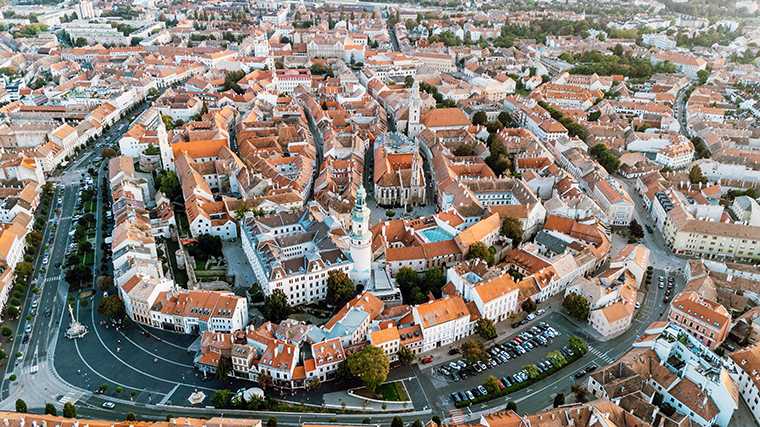
From Lake Balaton, it takes about two hours by rental car to reach Sopron, which is almost entirely surrounded by neighboring Austria. A fire in the seventeenth century destroyed a large part of the city. Sopron was rebuilt, resulting in the beautiful historic center with its many Baroque-style buildings. The 13th-century Fire Tower partially survived the fire: the foundation and lower section are medieval, while the upper section with the viewing balcony dates from after the fire.
20. Győr
On the way back to Budapest, you’ll pass through Győr, and if you haven’t had your fill of Baroque architecture yet, you shouldn’t skip this little town. To fully enjoy it, it’s best to just wander around the cobblestone streets of the old town. There are many alleys—just walk right in, because you never know what you’ll come across.
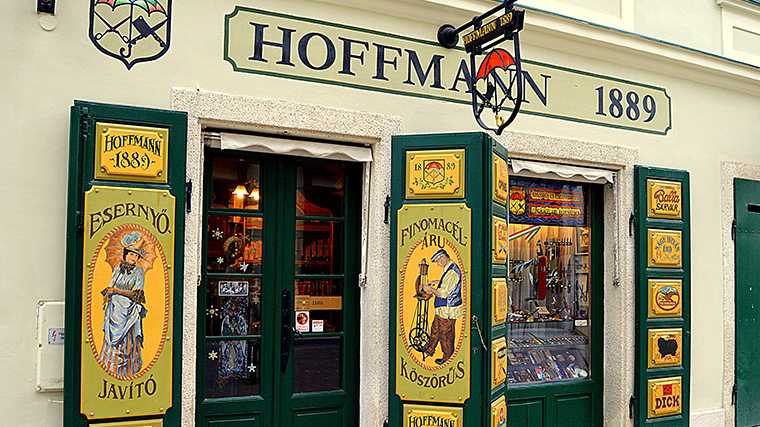
You can’t miss the neo-Gothic city hall—it’s one of the most impressive buildings in the city center. Baross Gabor Street is a pedestrian shopping street, but you’ll also find restaurants, cafés, and a few historic homes there. In the casemates beneath the Bishop’s Palace, you can see, among other things, remnants of the old Roman city wall. The small island of Radó in the Rába River is a popular spot for walking, especially for romantic couples.
Driving a Rental Car in Hungary
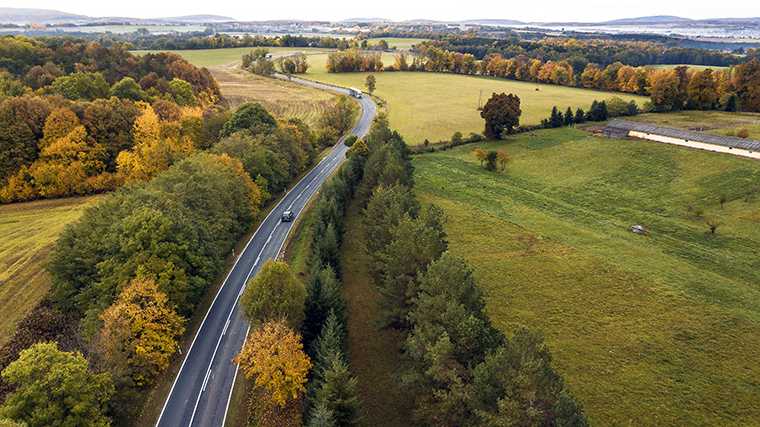
Hungary’s roads are exceptionally well-maintained, including highways, other major routes, and regional roads. A digital vignette (e-matrica) is required to use the highways. Most rental cars in Hungary already come equipped with this vignette, but be sure to check when you pick up your rental car just to be safe.
The instructions on dynamic matrix signs above the highway are often in multiple languages (in addition to Hungarian, English, and/or German). For all kinds of other signs at parking lots or attractions, Google Lens can be a lifesaver, as these are usually in Hungarian only.
Where to Rent a Car in Hungary?
We hope we’ve inspired you to rent a car in Hungary and explore the country. Most foreign tourists arrive at Budapest Airport and rent a car there. Hungary’s second international airport, Debrecen Airport, is located in the eastern part of the country and is used exclusively by budget airlines. The airport near Lake Balaton is only operational during the summer months and primarily serves flights to and from German cities.

Where would you like to rent a car?
- 24000+ pick-up locations
- Free cancellation
- Independent comparator

Useful tips for a well-prepared trip
Which insurance should I choose, and what's the deal with the deposit? Read our articles with useful information and tips to ensure you choose the right rental car for you.