- Popular countries
- Popular regions
- Popular cities
- Popular airports
- Car Rental Italy
- Car Rental Spain
- Car Rental United States
- Car Rental Portugal
- Car Rental South Africa
- Car Rental France
- Car Rental Netherlands
- Car Rental Greece
- Car Rental Germany
- Car Rental United Kingdom
- Car Rental Belgium
- Car Rental Croatia
- Car Rental Switzerland
- Car Rental Austria
- Car Rental Denmark
- Car Rental Norway
- Car Rental Australia
- Car Rental Ireland
- Car Rental Cyprus
- Car Rental Canada
- Car Rental Florida
- Car Rental Sicily
- Car Rental California
- Car Rental England
- Car Rental Sardinia
- Car Rental Mallorca
- Car Rental Ibiza
- Car Rental Crete
- Car Rental Tenerife
- Car Rental Rhodes
- Car Rental Madeira
- Car Rental Corsica
- Car Rental Gran Canaria
- Car Rental Malta
- Car Rental Scotland
- Car Rental Azores
- Car Rental Fuerteventura
- Car Rental Lanzarote
- Car Rental Corfu
- Car Rental Zakynthos
- Car Rental Amsterdam
- Car Rental Milan
- Car Rental Miami
- Car Rental Lisbon
- Car Rental Malaga
- Car Rental Porto
- Car Rental Rome
- Car Rental Cape Town
- Car Rental Barcelona
- Car Rental Faro
- Car Rental Alicante
- Car Rental Nice
- Car Rental Bari
- Car Rental Naples
- Car Rental Johannesburg
- Car Rental Brussels
- Car Rental Bergamo
- Car Rental Orlando
- Car Rental Palma de Mallorca
- Car Rental Vienna
- Car Rental Amsterdam Schiphol Airport
- Car Rental Miami International Airport
- Car Rental Lisbon Airport
- Car Rental Malaga Airport
- Car Rental Porto Airport
- Car Rental Milan Malpensa Airport
- Car Rental Rome Fiumicino Airport
- Car Rental Faro Airport
- Car Rental Alicante Airport
- Car Rental Bari Palese Airport
- Car Rental Nice Airport
- Car Rental Barcelona Airport
- Car Rental Cape Town Airport - International Terminal
- Car Rental Bergamo Airport
- Car Rental Orlando International Airport
- Car Rental Mallorca Airport
- Car Rental Catania Airport
- Car Rental Johannesburg International Airport
- Car Rental Ibiza Airport
- Car Rental Athens Airport

Tenerife Route: 15 Highlights from Teide to Anaga
Plus 5 practical tips for driving a rental car
Last updated: July 21, 2026
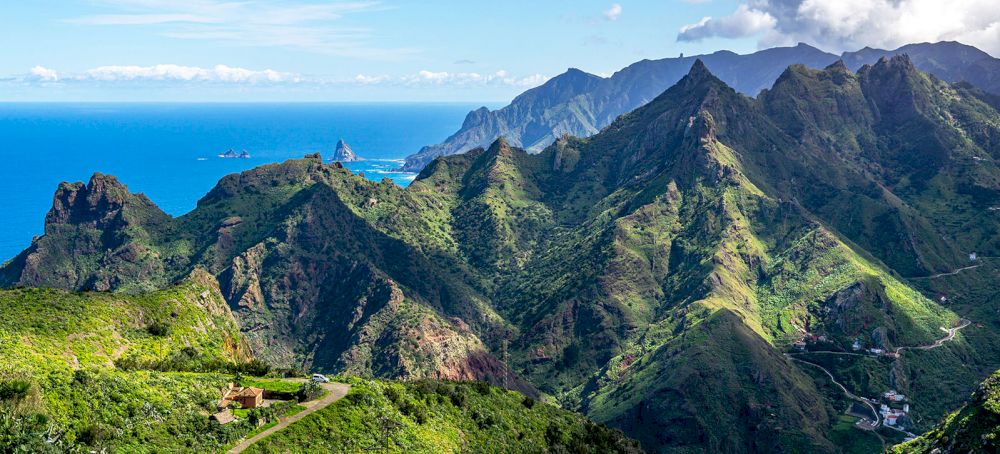
Tenerife is the largest of the Canary Islands and surprisingly diverse. The island has a reputation for being overrun by tourists, but that’s only true of a small part of it. You can discover the authentic Tenerife by renting a car, which allows you to drive to hidden gems. A 7-day road trip in a rental car offers 15 highlights: from the Teide volcano to the Anaga laurel forest, and from the picturesque Garachico to the mountain village of Masca.
On this page:
Arrival in Tenerife
The vast majority of international visitors land at Tenerife South Airport (TFS). Several car rental companies have counters in the arrivals hall, but there are also a few with small offices just outside the airport grounds. You’ll be taken there by a shuttle bus.
Compare Car Rentals in Tenerife
Once you’ve picked up your rental car, the question is: where will you drive first? Although the south of Tenerife is very touristy, you can still find quiet spots there. For example, Palm-Mar, close to the airport, or Callao Salvaje, about thirty kilometers from the terminal. These towns are less crowded because they aren’t located directly on a sandy beach.
Overview of the most beautiful spots in Tenerife
| Stop | Best time | Type |
|---|---|---|
| Los Gigantes | late afternoon / evening (sunset) |
rugged coastal landscape |
| Barranco de Masca |
from 8:30 a.m. to 1:00 p.m., with a every 30 minutes |
Nature: vertical rock faces |
| Buenavista | in the morning, then on to Punta de Teno |
Coastal route |
| Garachico | Afternoon: a swim ; in the evening, the charming town center |
authentic little village |
| Icod de los Vinos, , Cueva del Viento |
Morning: cave tour Afternoon: wine tasting |
lava cave vineyards |
| La Orotava | In the morning, when it’ is still quiet |
Typical Canarian architecture |
| San Cristóbal de La Laguna |
Afternoon and early evening | historic town |
de Anaga Rural Park |
Early morning (fairytale-like atmosphere) |
nature: mountains, valleys, laurel forests |
| Santa Cruz de Tenerife |
Morning shopping ; evening dining and drinks |
market and museum |
| Pico del Teide | cable car: early morning (less crowded) |
Nature: volcanic landscape |
| Vilaflor | In the morning for nature In the evening for dinner |
Gastronomy and nature: lunar landscape |
| El Médano | Mornings for relaxation afternoons for surfing |
water sports: kiteboarding and windsurfing |
| Masca village | Before 11:00 a.m. (parking lot) |
Lunch with a view overlooking a deep gorge |
| Punta Hidalgo | Late afternoon: (sunset) |
natural pools |
| Pirámides de Güímr |
In the morning before 11:00 a.m. | archaeology |
The 15 Highlights of Tenerife
Tenerife is an island of extremes. On one hand, rugged volcanic landscapes and wild mountain passes; on the other, sun-drenched coastlines and lush, subtropical vegetation. And all of this within a few hours’ drive of each other. Below, you’ll find our tips for the 15 most beautiful spots and attractions in Tenerife.
1. Los Gigantes – Impressive Cliffs
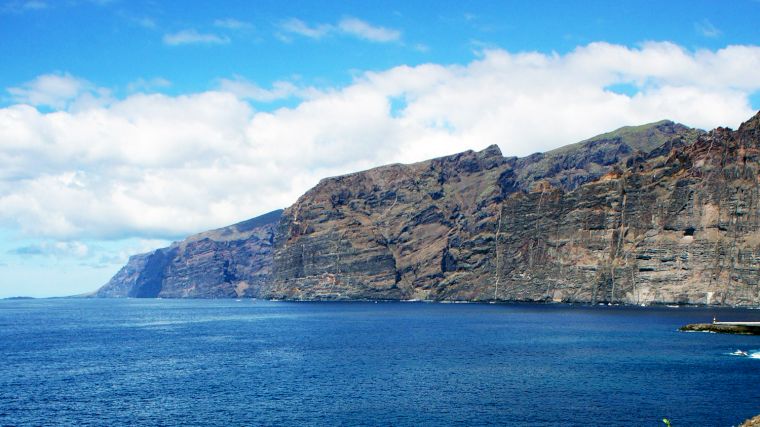
It’s impressive to see how the coastline here abruptly rises 600 meters into the sky.
Los Gigantes is a seaside resort on the west coast, best known for the cliffs of the same name that rise vertically from the sea. From the boardwalk and the marina, you have a stunning view of the cliffs. Boat tours depart from here toward Masca Bay to spot dolphins and whales. In Tamaimo, the turnoff to Los Gigantes (via the TF-454) is clearly marked.
Parking: paid parking garage at the marina (Puerto Los Gigantes) or street parking in the neighborhoods a little further from the center.
Best time to visit: late afternoon, when the sun is low and the cliffs take on orange-pink hues.
Note: During peak season, boat tours fill up quickly, so be sure to book well in advance.
2. Barranco de Masca
One of the most spectacular gorge hikes in Europe, with views you won’t find anywhere else on the island.
The Masca Gorge runs from the village of Masca to a secluded cove near Los Gigantes, winding its way between towering rock faces. Access to the Camino Barranco de Masca is strictly regulated: you must reserve in advance, take the mandatory shuttle from Santiago del Teide, and wear a helmet. The hike starts every 30 minutes (from 8:30 a.m. to 1:00 p.m.), takes about 4 hours, and ends at the beach, from where you’ll take a boat back to Los Gigantes.
Parking: at the cemetery in Santiago del Teide; hikers are not permitted to drive their own vehicles to Masca.
Best time: Book an early morning slot to avoid the heat and crowds.
Note: Book well in advance via the official website; be sure to book the return boat as well, and be aware of strict requirements (no children under 8 years old; closed-toe hiking shoes required).
3. Buenavista
A quiet, authentic town that serves as the gateway to the wild northwest of Tenerife.
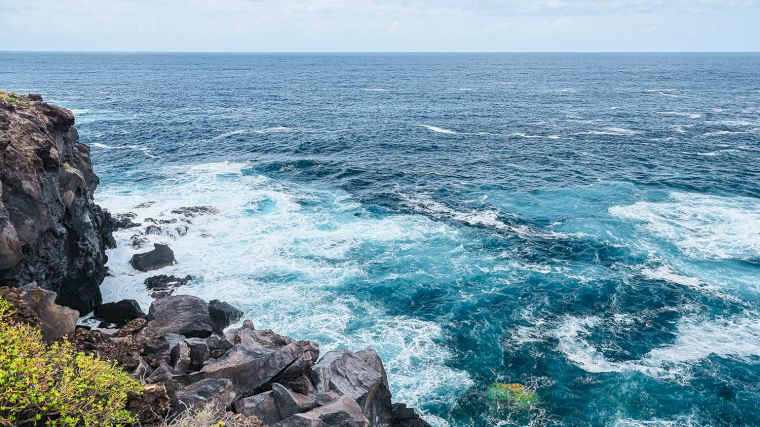
Drive northwest on the TF-42 and TF-82 to reach Buenavista del Norte, at the foot of the Teno Mountains. The town has a charming historic center with a beautiful church and outdoor cafes. It’s best known as the starting point for trips to Punta de Teno and Barranco de Masca, but it’s also worth visiting on its own for its rural atmosphere, golf course, and rolling farmland.
Parking: Free street parking around the town center and near the church.
Best time to visit: in the morning, before continuing on to Teno.
Tip: Combine a visit with the drive to Punta de Teno, one of the island’s most beautiful coastal roads.
4. Garachico
A picturesque harbor town that rose from the lava of a volcanic eruption in 1706.
Garachico is located along the northern coastal road TF-42 and was once Tenerife’s most important port, until a lava flow destroyed it. What remains is a charming town center with colonial buildings, squares, and churches. The main attractions are the natural pools (El Caletón), formed in the solidified lava.
Parking: Paid parking is available on the outskirts of the town center, near El Caletón; free parking is available a little further away.
Best time to visit: early afternoon for a swim, or in the evening to enjoy the charming town center.
Note: The pools may be closed for safety reasons during high waves.
5. Icod de los Vinos
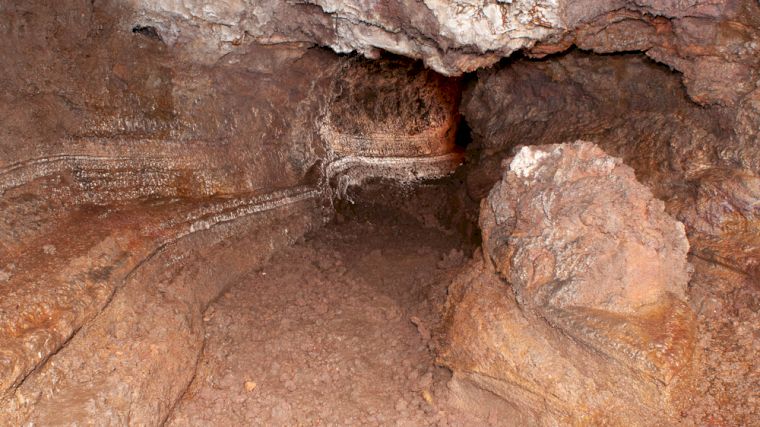
One of the longest volcanic lava tubes in the world, hidden beneath the town of Icod.
The Cueva del Viento near Icod de los Vinos is a volcanic cave system stretching over 17 kilometers, formed by the eruption of Pico Viejo. Visits are only possible with a guide at set times and in small groups. Take the Icod de los Vinos exit on the TF-5 and drive along the local road (Camino San Marcos/TF-373) to the visitor center. In addition to the cave, Icod itself is known for the ancient Drago Milenario, a dragon’s blood tree estimated to be a thousand years old.
Parking: Free parking at the cave’s visitor center.
Best time to visit: Book a morning tour of the cave, as it’s usually not crowded then.
Please note: Spots for the guided tour at Cueva del Viento are limited and sell out quickly, so be sure to book well in advance.
6. La Orotava
Tenerife’s most beautiful historic town center, with breathtaking views of the valley.
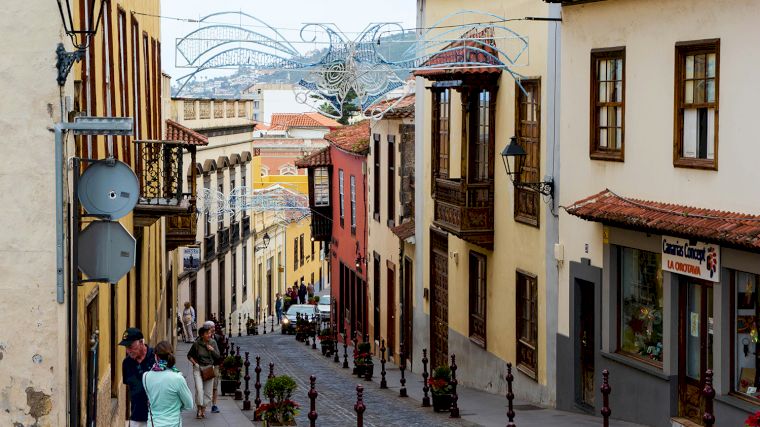
La Orotava lies on the slopes of Mount Teide and is famous for its colonial architecture, ornate balconies, and cobblestone streets. Must-see attractions include the Casa de los Balcones, the botanical garden, and the Baroque church of Nuestra Señora de la Concepción. From various vantage points, you’ll enjoy sweeping views of the valley and the Atlantic coast. From the Autopista del Norte (TF-5), take the TF-21 to La Orotava.
la-orotava-casa-de-los-balcones-car-rental-tenerife.jpg
At the Casa de los Balcones in historic La Orotava on Tenerife.
Parking: paid parking garages in the center, including Aparcamientos Centro Orotava.
Best time to visit: in the morning, when the streets are still quiet and the light falls beautifully on the facades.
Tip: The streets are narrow and steep; comfortable shoes are recommended.
7. La Laguna
The island’s former capital and a UNESCO World Heritage Site thanks to its perfectly preserved colonial center.
San Cristóbal de La Laguna was Tenerife’s first capital and served as a blueprint for colonial cities in Latin America. The city center is car-free and full of colorful patios, churches, and university buildings. As a college town, it also boasts a lively terrace culture and shopping streets.
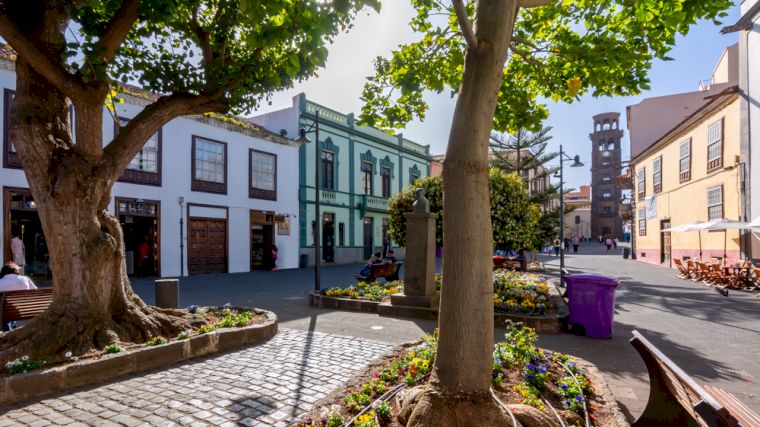
Parking: paid parking garages around the city center, such as Parking Plaza del Adelantado.
Best time to visit: afternoon and early evening, when students and local outdoor cafes bring the city center to life.
Tip: Combine this visit with a trip to Santa Cruz—the cities are close to each other.
8. Anaga
A primeval forest of laurel woodland and dramatic mountain ridges, just a stone’s throw from the capital.
The Anaga Mountains in northeastern Tenerife are one of the island’s oldest nature reserves, featuring dense cloud forests, jagged peaks, and isolated villages like Taganana. It’s ideal for hikers: countless marked trails wind through the forest to lookouts offering views of the coast and the Atlantic Ocean. You can drive into the mountains from La Laguna (via the TF-12); it’s also accessible via the TF-13 from Santa Cruz toward Taganana.
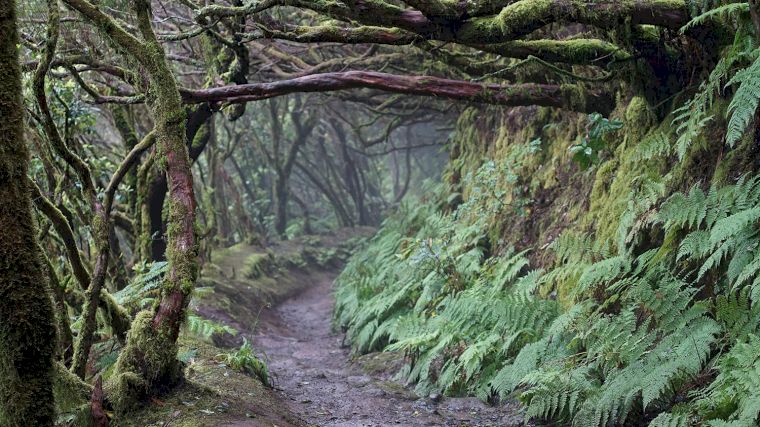
Parking: Small parking lots at viewpoints such as Mirador Cruz del Carmen and at hiking trailheads.
Best time to visit: early morning for a magical atmosphere as the fog begins to lift.
Note: The mountain roads are narrow, winding, and sometimes foggy; drive slowly and carefully.
9. Santa Cruz
The vibrant capital where modern architecture and Canarian culture come together.
Santa Cruz is the administrative capital of Tenerife and combines a bustling port with an elegant city center. The futuristic Auditorio de Tenerife is a standout, as are the shopping boulevard Calle del Castillo and the waterfront Plaza de España. The city has its own, less touristy atmosphere than the south coast. The TF-5 (Autopista del Norte) and TF-1 (Autopista del Sur) meet in Santa Cruz.
Parking: Several parking garages in the city center, including one at Plaza de España.
Best time to visit: in the morning for the city center and shopping; in the evening for the lively nightlife.
Tip: Visit during Carnival in February for one of the biggest street parties, but be sure to book well in advance.
10. Teide – iconic volcano
Spain’s highest mountain and a volcanic landscape that feels like another planet.
At 3,715 meters, Teide is Spain’s highest peak, and its slopes are dotted with bizarre lava formations. The cable car takes you to just below the summit (a permit is required for the final meters to the crater). The national park is great for hikes among the lava rocks and for stargazing in the evening. The visitor center is accessible from both the south (Vilaflor) and the north (La Orotava) via the TF-21.
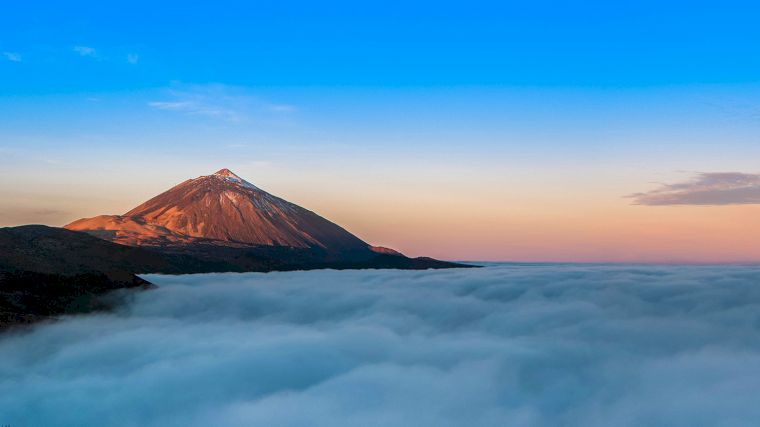
Parking: Free parking spaces at the visitor center and the cable car station.
Best time to visit: early morning for the cable car, to avoid wait times and cloud cover.
Note: A permit is required for the hike to the crater rim; it’s best to go up with an official guide who already has such a permit. The cable car closes if the wind is too strong, so check this in advance.
11. Vilaflor
Spain’s highest village, surrounded by fragrant pine forests.
Vilaflor lies at an altitude of over 1,400 meters and is known for its fresh mountain air, pine forests, and mineral water. It’s an ideal starting point for hikes to Paisaje Lunar, a lunar landscape of white rock formations, and for the route toward Mount Teide. The village center itself is small but charming, with views of the south coast. From the tourist resorts in the southwest of Tenerife, the TF-51 leads to Vilaflor; for a picturesque, winding road, take the TF-21 from Granadilla de Abona.
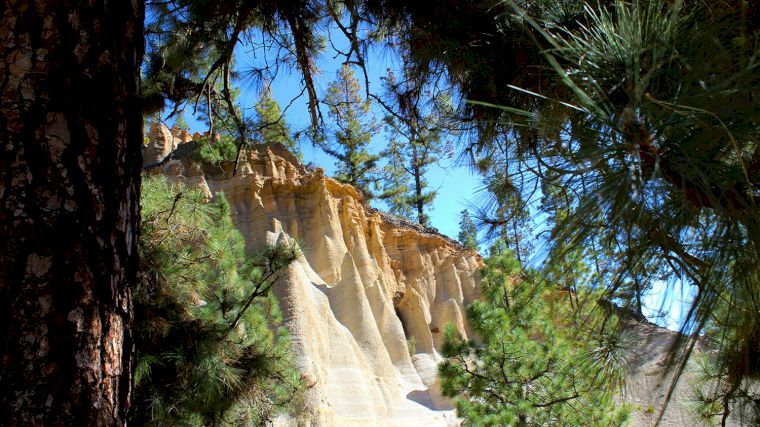
Parking: Free street parking in the city center and at the trailheads leading to Paisaje Lunar.
Best time to visit: in the morning, for clear skies and cooler temperatures while hiking.
Note: Bring an extra layer of clothing; it’s noticeably colder here than on the coast.
12. El Medano
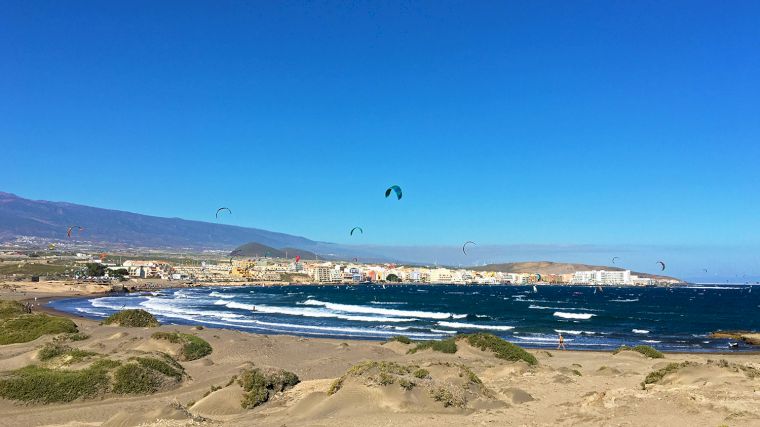
Tenerife’s windsurfing and kitesurfing paradise, with kilometers of wide sandy beach.
Thanks to its constant winds, El Médano in the southeast is one of Europe’s best surfing spots. The village has a laid-back vibe with beach bars, surf schools, and a long, wide beach overlooking the Montaña Roja rock formation. Less mass tourism than the south coast resorts, more of a local atmosphere. The beach is located near Tenerife Sur Airport and is accessible via the TF-64.
Parking: Free parking spaces along the boulevard and at Playa de la Tejita.
Best time to visit: in the morning for a quiet day at the beach, in the afternoon for the best wind conditions for (kite)surfing.
Note: The wind can blow quite strongly here, so keep that in mind if you’re not coming to surf.
13. Masca – small mountain village + restaurant with a view
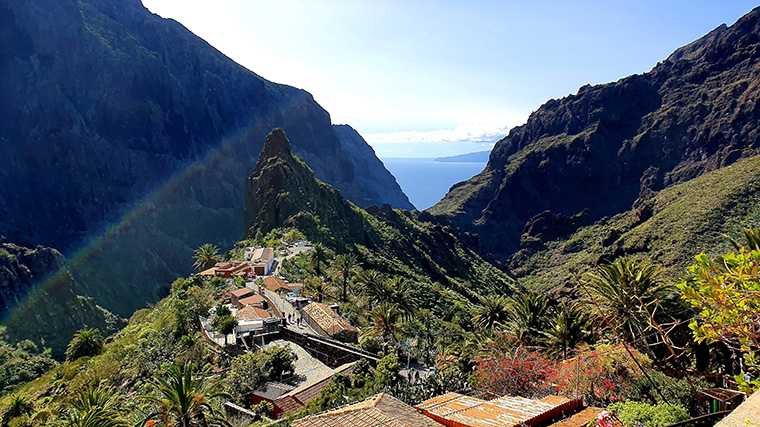
One of Spain’s most photogenic villages, tucked away between towering mountain cliffs.
This refers to a visit to the small mountain village of Masca, not a hike through the gorge of the same name, as described above. Accessible via the winding TF-436. From the village (with just 30 residents), you’ll have a stunning view of the gorge. For lunch, head to a terrace with a view at the restaurants El Guanche or Casa Enrique, but be sure to make reservations well in advance during peak season.
Parking: very limited—non-residents are limited to 2 hours, so plan on just stopping for lunch.
Best time to visit: If you arrive before 11:00 a.m., you’ll have the best chance of finding a parking spot for your rental car, and the tour buses won’t have arrived yet.
Note: The road to Masca is narrow, winding, and has few parking spots; allow extra time and drive carefully.
14. Punta del Hidalgo – authentic, natural swimming pools
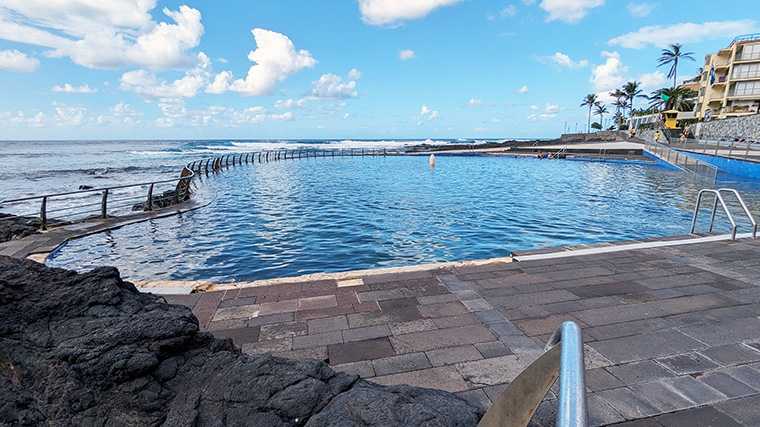
A quiet coastal village where the wild north coast and the ocean meet in all their raw beauty.
Punta del Hidalgo is located on the north coast, on the edge of the Anaga Mountains, and is known for its natural pools, rugged coastline, and iconic lighthouse. It’s quieter and less touristy than the south coast, with a laid-back local atmosphere and beautiful hiking trails along the coastline toward Bajamar. Accessible via the TF-13 from La Laguna.
Parking: Free along the main street in the village and near the natural swimming pools.
Best time to visit: late afternoon before sunset + local tapas.
Note: Swim only in the natural pools, as the open sea has dangerous currents.
15. Pirámides de Güímar – archaeological site
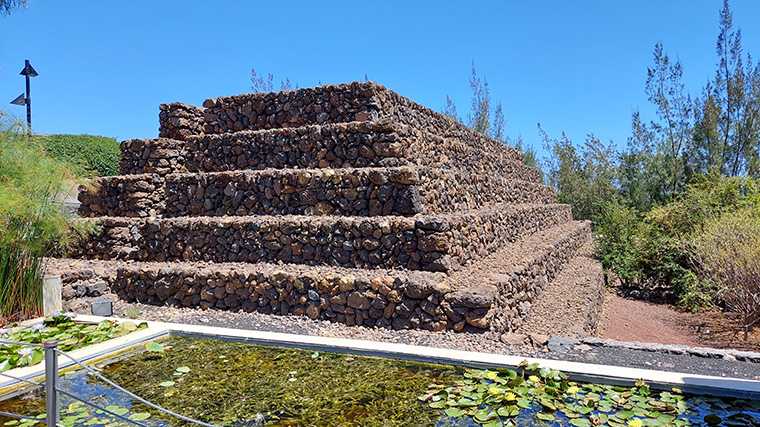
Mysterious, stair-step-shaped stone structures that have sparked decades of speculation about their origins.
The Pirámides de Güímar are six rectangular stone structures in the southeast of the island, built from stacked lava rocks. Their origin is a subject of debate: some view them as agricultural rubble piles, while others (Thor Heyerdahl) see them as astronomically oriented structures. The complex also includes a museum, botanical garden, and ethnographic park. From the TF-1, turn off toward Güímar and then follow the local road toward the Parque Etnográfico.
Parking: Free parking at the visitor center/park.
Best time to visit: Before 11:00 a.m., when the museum is still quiet.
Tip: Combine your visit with a trip to downtown Güímar or the coastal road toward El Médano.
Driving a Rental Car in Tenerife
The main roads on Tenerife are the TF-1 and the TF-5, which together cover almost the entire island. We recommend avoiding those major highways as much as possible and opting for the smaller, winding roads instead. That way, you’ll get a much better sense of the real, authentic Tenerife. The roads—even the smaller ones—are exceptionally well-maintained. However, the many curves will make your journey take longer. And, of course, because you’ll regularly pull over to enjoy something beautiful, fun, or interesting along the way! Be sure to familiarize yourself with Spanish traffic rules as well.
Which car class is right for Tenerife?
For many people, this is a difficult question: if I ’m renting a car in Tenerife, which class should I book for my vacation? We’ve provided some tips below for renting a car in Tenerife, but if you want to make an informed choice, read our comprehensive guide to the different rental car classes.
Mini / Compact (e.g., Fiat 500, VW Polo): Maneuverable in the narrow streets of La Laguna, Garachico, and the village of Masca. Suitable for 2 people. Handles narrow mountain roads like the TF-436 and TF-445, but be sure to choose a rental car with sufficient engine power.
Mid-size (e.g., Renault Mégane, VW Golf): a good balance between comfort for long drives and maneuverability on mountain roads. The best choice for 4 people plus luggage on a 7-day road trip.
Automatic transmission: recommended for those who aren’t used to shifting gears on mountain passes. The Anaga Mountains and the Teide route require frequent shifting on steep inclines. An automatic transmission makes for a much more relaxed drive.
SUV: for unpaved access to Paisaje Lunar or Mirador Cherfe, but always ask the rental company if you’re allowed to drive your rental car there. An SUV isn’t necessary for the main route; a smaller car is more maneuverable.
Convertible: fun in May or June, but on mountain passes and along the often windy north coast, a convertible isn’t always comfortable. Only book one if you’re specifically coming for the convertible experience.
When is Tenerife at its best?
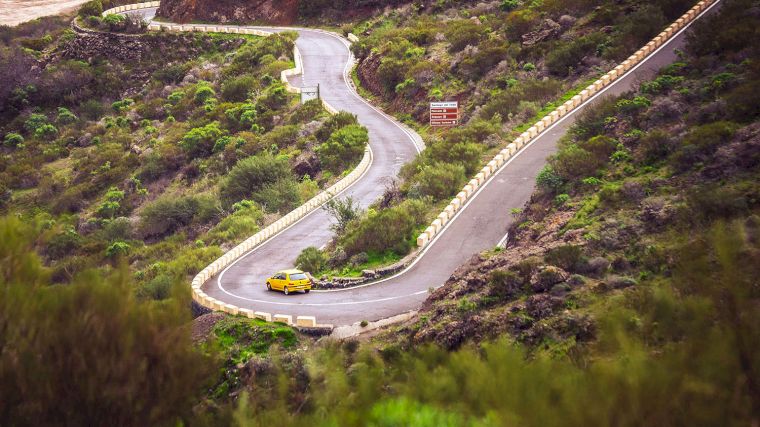
The best months to visit are May–June and September–October: mild weather ranging from 22–26°C, little rain, and fewer crowds at popular spots like Mount Teide and Anaga. July and August are peak season and are best avoided: it gets crowded at the Cuevas del Viento, the Teide cable car, and the viewpoints on the cape, and it can get quite hot in the southern resorts—30°C and higher. The months from November through April are a great off-season alternative: 18–22°C, fewer crowds, and in winter sometimes even snow on Mount Teide—a beautiful sight, though the cable car may be closed if wind speeds exceed 50 km/h.
If you’re visiting Tenerife during the busy months, be sure to read our tips first for the best strategy for renting a car during peak season.
5 Practical Driving Tips for Tenerife
Tip 1: Pick up your rental car early for the Teide route
Are you landing in the morning? Then you can drive to Mount Teide the same day—it takes about 2 hours from Tenerife South. But plan wisely: it’s best to go early in the morning, because during peak season, the parking lot at the cable car is already full by 9:30 a.m.
Tip 2: Fill up on time in Anaga and Teide National Park
Gas stations are few and far between here, so fill up your tank in advance in La Laguna or Vilaflor. The mountain route through Anaga is about 80 kilometers with no places to refuel, so make sure your tank isn’t less than half full when you leave.
Tip 3: Switch drivers in time
On long, winding routes like the TF-436 (Santiago del Teide–Buenavista) or the TF-445 (Buenavista–north coast), fatigue sets in faster than you think. Traveling with others? Consider adding a second driver through EasyTerra—it makes for a much more relaxed drive.
Tip 4: Park early at the main attractions
At Cuevas del Viento (Icod) and the Teide Cable Car, parking lots fill up quickly during peak season; after 11:00 a.m., it’s hard to find a spot. For both attractions, it’s mandatory to reserve online in advance and select a time slot.
Tip 5: Be prepared for fog on the mountain passes
Anaga and Teide are notorious for their unpredictable microclimate: due to the trade winds, the weather can change from sunshine to thick fog within an hour. So, before you drive into the mountains, check that your windshield wipers and low beams are working. If you find yourself in fog, keep your lights on and ease off the gas.
Frequently Asked Questions About Vacations in Tenerife
How many days do you need for a tour of Tenerife?
With 7 days, you can comfortably take in all 15 highlights at a leisurely pace. Do you have 5 days? Then you can still make 10 to 12 stops, provided you focus on one region (north + Teide, or south + Anaga). In 3 days, you’ll be limited to 5 to 6 stops, plus Teide. The island is only 50 by 80 kilometers on the map, but because of all the curves and mountain roads, the drive actually takes about 30% longer than you’d expect.
Which car class is best for mountain roads?
For the narrow mountain roads (such as the TF-436 and TF-445) and tight village streets (think La Laguna, Garachico, or the village of Masca), a mini or compact rental car offers the best maneuverability. Traveling with the family and lots of luggage? Then a mid-size car is a better fit. For the mountain passes toward Anaga and Teide, we recommend an automatic transmission—it makes for a much more relaxed drive.
Do you need a permit to hike to the summit of Teide?
Yes, you do. If you want to hike all the way to the summit via Trail No. 10 (Telesforo Bravo), you must obtain a permit in advance through the TenerifeOn website. Be sure to do this well in advance, as only a limited number of people are allowed to ascend each day. Every Monday at 7:00 a.m. (Canary Islands time), available spots for the next 56 days are released. The cable car takes you up to an altitude of 3,555 meters, and from there you can hike around the summit even without a permit. Or book a tour that includes the permit.
When is Tenerife at its best?
Our personal favorites: May–June and September–October. During these months, the weather is mild (22–26°C), there’s little rain, and it’s nice and quiet around Mount Teide and in Anaga. We don’t recommend July and August if you’re looking for peace and quiet. All the viewpoints are crowded then, and in the south, temperatures can soar well above 30°C. By the way, the period between November and April is also a good choice (18–22°C), though there’s a higher chance that the Teide cable car will be closed due to high winds (over 50 km/h).
Can you drive to the Masca Gorge in a rental car?
No, the gorge itself isn’t accessible by car, and parking in the village of Masca is limited to 2 hours for non-residents. Still want to hike the gorge? Then book your ticket online in advance and take the boat back at the end. Would you rather just visit the village of Masca itself for a bite to eat and the views? That’s easily done by rental car via the TF-436, though parking there is also limited.
Do you need a credit card to pick up your rental car?
Yes, you definitely need one. With all providers you book through EasyTerra, the primary driver must present a credit card in their own name upon pickup at Tenerife South (TFS) or Tenerife North (TFN). A security deposit (between 700 and 2,500 euros) will be held on that card until you return the car in good condition and without damage. Please note: debit or prepaid cards are not accepted.
Can you cancel your rental car in Tenerife for free?
Yes, you can cancel easily and free of charge up to 48 hours before the start of your rental period. That’s simply the standard at EasyTerra—no hidden terms, no extra charges, and no separate “flex rate” you have to check off. If you book within those 48 hours before departure, free cancellation is usually no longer possible.
Which of the two airports is best suited for your road trip?
That depends on where you’re starting. Tenerife South (TFS) is larger, has more international flights, and is ideal if you’re starting in the south (Los Gigantes, Vilaflor, Mount Teide). Tenerife North (TFN) is smaller but is closer to La Laguna, Anaga, and the north coast. Planning a 7-day road trip? Then TFS is usually the logical choice.
Rent a Car in Tenerife
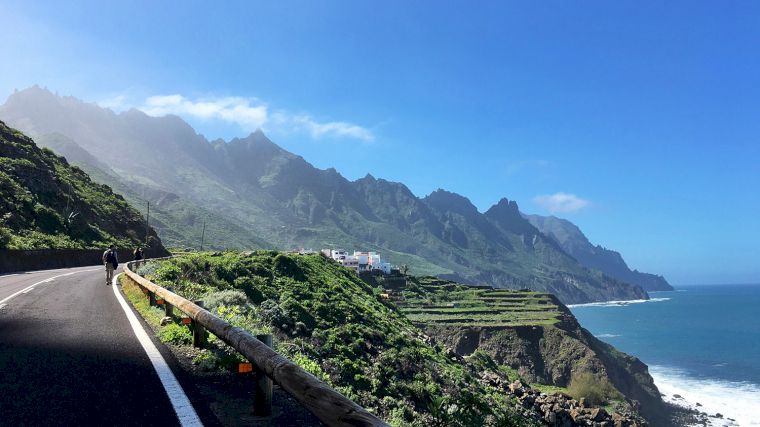
While sun worshippers tend to stick to the beaches along the south coast, the rest of the island is a delight to explore by rental car. Drive along winding roads to Tenerife’s most beautiful spots: spectacular views, picturesque vineyards, authentic towns, mysterious forests, rugged mountains, steep cliffs, and hidden beaches. For worry-free driving in Tenerife, choose a car with the Worry-Free label, as this covers your deductible. Convinced? Then rent a car now with EasyTerra for an unforgettable vacation in Tenerife!
View the selection of rental cars in Tenerife
Heading to one of the other Canary Islands?
Get inspired:
Routes, day trips, and tips for La Palma
Discover that Fuerteventura is more than just sandy beaches
The unique sights of Lanzarote
Looking for more inspiration for Spain’s islands?
Check out the Tramuntana route on Mallorca or discover authentic Ibiza.

Where would you like to rent a car?
- 24000+ pick-up locations
- Free cancellation
- Independent comparator

Useful tips for a well-prepared trip
Which insurance should I choose, and what's the deal with the deposit? Read our articles with useful information and tips to ensure you choose the right rental car for you.