- Popular countries
- Popular regions
- Popular cities
- Popular airports
- Car Rental Italy
- Car Rental Spain
- Car Rental United States
- Car Rental Portugal
- Car Rental South Africa
- Car Rental France
- Car Rental Netherlands
- Car Rental Greece
- Car Rental Germany
- Car Rental United Kingdom
- Car Rental Belgium
- Car Rental Croatia
- Car Rental Switzerland
- Car Rental Austria
- Car Rental Denmark
- Car Rental Norway
- Car Rental Australia
- Car Rental Ireland
- Car Rental Cyprus
- Car Rental Canada
- Car Rental Florida
- Car Rental Sicily
- Car Rental California
- Car Rental England
- Car Rental Sardinia
- Car Rental Mallorca
- Car Rental Ibiza
- Car Rental Crete
- Car Rental Tenerife
- Car Rental Rhodes
- Car Rental Madeira
- Car Rental Corsica
- Car Rental Gran Canaria
- Car Rental Malta
- Car Rental Scotland
- Car Rental Azores
- Car Rental Fuerteventura
- Car Rental Lanzarote
- Car Rental Corfu
- Car Rental Zakynthos
- Car Rental Amsterdam
- Car Rental Milan
- Car Rental Miami
- Car Rental Lisbon
- Car Rental Malaga
- Car Rental Porto
- Car Rental Rome
- Car Rental Cape Town
- Car Rental Barcelona
- Car Rental Faro
- Car Rental Alicante
- Car Rental Nice
- Car Rental Bari
- Car Rental Naples
- Car Rental Johannesburg
- Car Rental Brussels
- Car Rental Bergamo
- Car Rental Orlando
- Car Rental Palma de Mallorca
- Car Rental Vienna
- Car Rental Amsterdam Schiphol Airport
- Car Rental Miami International Airport
- Car Rental Lisbon Airport
- Car Rental Malaga Airport
- Car Rental Porto Airport
- Car Rental Milan Malpensa Airport
- Car Rental Rome Fiumicino Airport
- Car Rental Faro Airport
- Car Rental Alicante Airport
- Car Rental Bari Palese Airport
- Car Rental Nice Airport
- Car Rental Barcelona Airport
- Car Rental Cape Town Airport - International Terminal
- Car Rental Bergamo Airport
- Car Rental Orlando International Airport
- Car Rental Mallorca Airport
- Car Rental Catania Airport
- Car Rental Johannesburg International Airport
- Car Rental Ibiza Airport
- Car Rental Athens Airport

Renting a car in Casablanca? Start your road trip through Morocco
Rent a Car in Casablanca | Morocco Itinerary & Highlights
Want to truly experience Morocco? Then a road trip through Morocco in a rental car is the best choice. The country offers an enchanting mix of ancient medinas, vast sand dunes, the snow-capped peaks of the Atlas Mountains, and the sun-drenched Atlantic coast. Casablanca is the ideal starting point: easily accessible by plane, with a wide selection of rental cars and direct access to the country’s most beautiful regions. Rent a car in Casablanca and discover Morocco’s incredible diversity: within a few hours, you can drive from cosmopolitan boulevards to Berber villages that seem to have stood still in time.

Renting a car in Casablanca is the perfect way to explore Morocco. On this page, you’ll discover which routes you shouldn’t miss, which rental car best suits your trip, and what to keep in mind when driving and renting a car in Morocco.
The Most Beautiful Road Trip from Casablanca
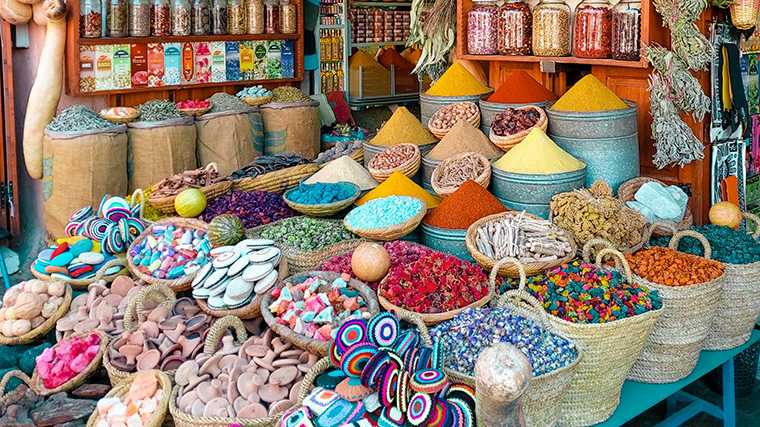
Although your road trip through Morocco starts in Casablanca, the city itself isn’t particularly appealing. If you do happen to stay there for a while at the beginning or end of your trip, take a guided tour of the Hassan II Mosque, whose minaret towers over 200 meters above the Atlantic Ocean. It’s actually the only attraction in Casablanca.
Once you’ve picked up your rental car, it’s best to drive a short distance north to Rabat, the Moroccan capital.
Rabat – Impressive Kasbah
From Casablanca Airport, it’s about a hundred kilometers by rental car to Rabat, which is perhaps Morocco’s most underrated city. On the way, you might want to stop at Bouznika Beach.
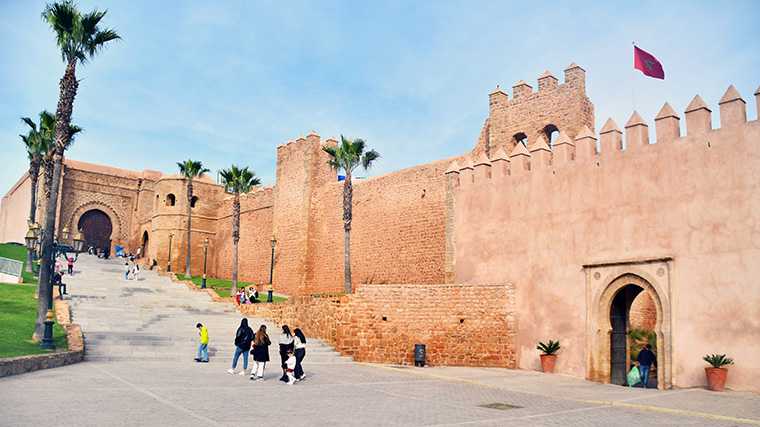
Highlights:
The Kasbah of the Oudayas, the oldest part of Rabat. Pass through the imposing Almohad Gate and wander through the blue-and-white-painted streets. The Andalusian gardens offer an oasis of tranquility, while at the terrace café you can enjoy a cup of mint tea with a stunning view of the ocean.
The Hassan Tower was intended to be the centerpiece of a massive mosque, but the mosque was never completed. The tower now stands among two hundred pillars that were meant to form the mosque’s foundation. Next to it is the Mausoleum of Mohammed V, where the king and his two sons are buried in imposing white onyx tombs.
Drive your rental car to Chellah on the eastern outskirts of Rabat. There you’ll see the remains of a Roman city, which became an Islamic necropolis in the Middle Ages. Today, a colony of storks has discovered the site as an ideal nesting ground.
Meknes and Volubilis – Authentic Medinas
If you’ve rented a car, it takes about two hours to drive from Rabat to another imperial city, Meknes. Morocco has a total of four imperial cities, so named because they were once designated as capitals by a sultan.
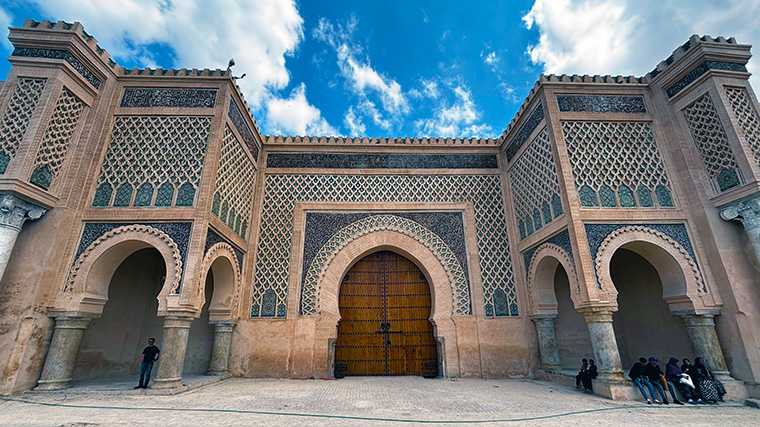
Highlights:
The imposing Bab Mansour, one of North Africa’s most beautiful city gates, featuring green-and-white tiles that form geometric patterns.
The Mausoleum of Moulay Ismail allows non-Muslims to visit the outer chambers, where you can admire intriguing stucco work and beautifully carved cedar wood.
The medina of Meknes feels more authentic than those of Fez or Marrakesh, with fewer pushy vendors, fewer tourists, and a more local atmosphere.
Drive your rental car thirty kilometers north and you’ll arrive at Volubilis, Morocco’s most impressive Roman ruins. The villas feature beautiful floor mosaics, whose colors have been remarkably well preserved.
Fez – Back to the Middle Ages
From Meknes, it’s only a sixty-kilometer drive to Fez, one of the best-preserved medieval Islamic cities. Park your rental car outside the walls of the medina, as the old city is car-free. In fact, due to the very narrow streets, it’s not even possible to drive a car through it.
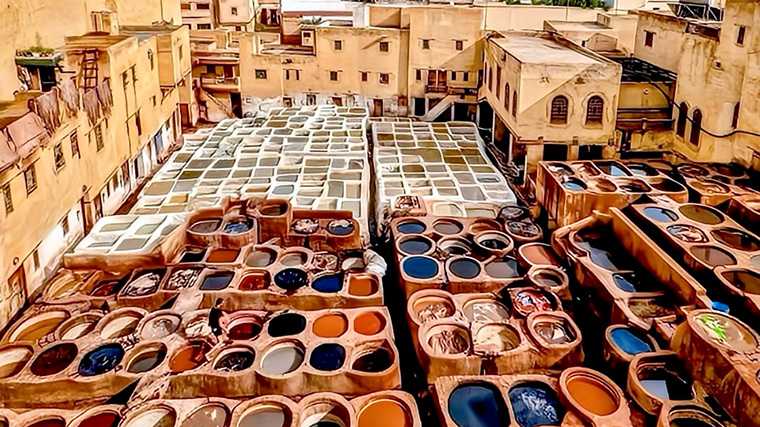
Highlights:
Get ready for a sensory immersion in the oldest part of the city, Fez el-Bali. Countless alleys form a labyrinth where getting lost is part of the experience.
The tanneries nestled among the old houses are the most photographed spot in Fez. You can buy sprigs of mint to neutralize the pungent odor.
The Bou Inania Madrasa is a fantastic example of 14th-century Islamic architecture. Every surface is adorned with intricate wood carvings, colorful tiles, or Arabic calligraphy.
Middle Atlas – Unexpected Landscapes
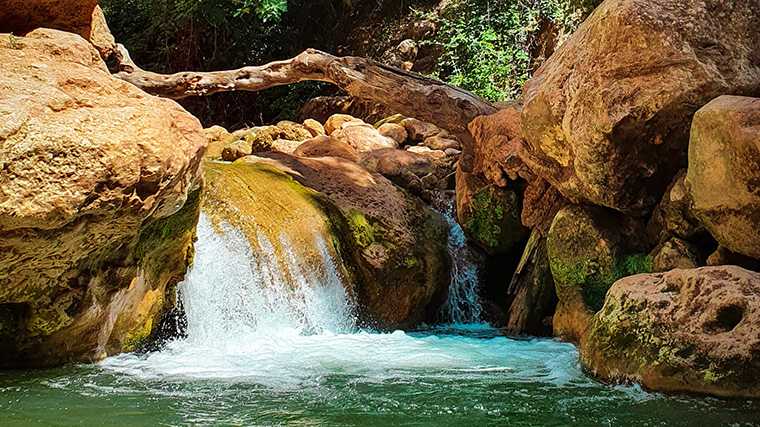
If you drive south from Fez in a rental car, you’ll pass through the pine and oak forests of the Middle Atlas. You’ll gradually climb up toward the town of Ifrane. This region is often referred to as the “Moroccan Switzerland.”
Highlights:
You can only reach the village of Zaouia d’Ifrane —located 70 kilometers southwest of Ifrane—by private vehicle. There, you can enjoy fantastic hikes along wild, rushing streams in a landscape you wouldn’t expect to find in Morocco.
Near the city of Azrou, you’ll find vast cedar forests. Here, centuries-old Atlas cedars grow, reaching heights of up to forty meters. Barbary macaques live in these forests.
From Azrou, it’s just over a two-hour drive by rental car to Midelt, a lovely stopover on the way to the Sahara. The green forest landscape gives way to rocky slopes and high plateaus.
Merzouga – the Sahara
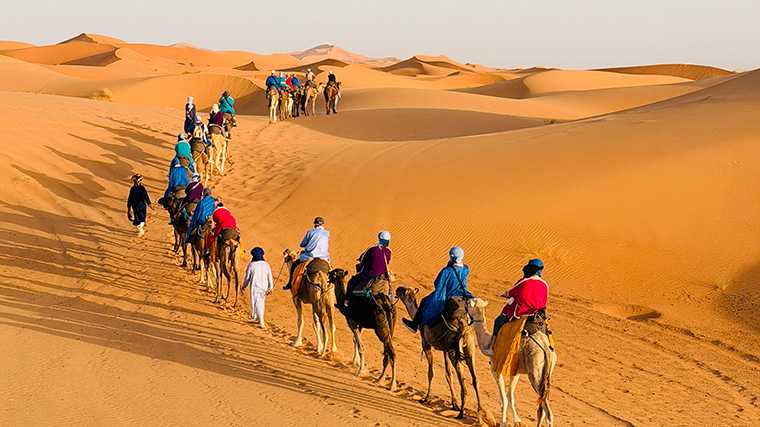
It’s quite a drive from Midelt to Merzouga, but you’ll be in for a treat along the way, as the landscape changes constantly. First, you’ll see the tall red rocks along the Ziz River; then you’ll descend to a desert plateau, interspersed with green oases; and finally, you’ll reach the sand dunes of the Sahara.
Highlights:
The town of Erfoud is known for the fossilized specimens—trilobites, ammonites, and prehistoric fish—extracted from the surrounding quarries.
Erg Chebbi is a sea of sand stretching over thirty kilometers. Some of the orange-gold sand dunes are 150 meters high, so it takes a while to reach the top.
A camel ride to a desert camp for an overnight stay is an essential Sahara experience. Both the sunset and the sunrise are unforgettable, not to mention the incredible starry sky.
Todra and Dadès Gorges
Drive from Merzouga to Tinghir in about three hours in your rental car. It’s a beautiful route, but the final destination is even more stunning.
Highlights:
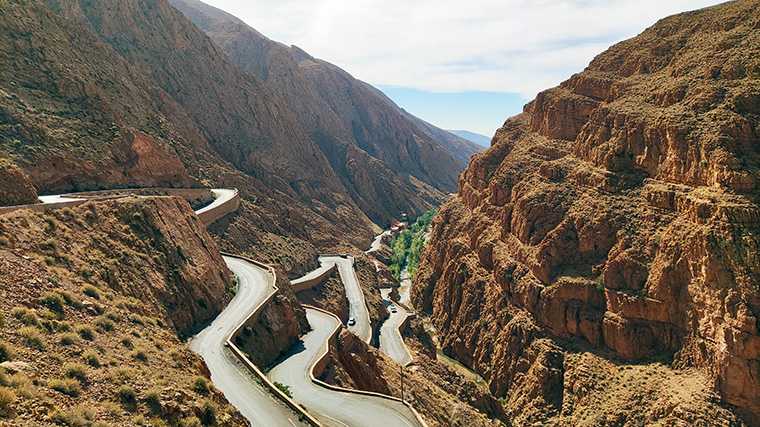
North of Tinghir lies the impressive Todra Gorge, carved out by the river of the same name. In some places, the gorge narrows to just ten meters wide, while the walls tower three hundred meters above you.
If you’ve rented a 4×4, you can drive through Agoudal to the Dadès Valley; with a regular rental car, it’s better to take the N10. This valley is famous for its oases along a meandering river, surrounded by strangely eroded rock formations.
To Beni-Mellal – by rental car through the High Atlas
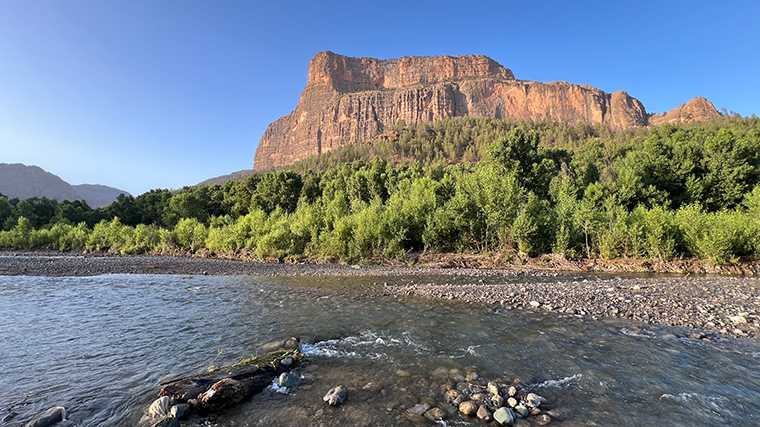
The N12 runs from Tinghir for nearly three hundred kilometers through the mountains of the High Atlas to Beni-Mellal. It’s a stunning route through this rugged mountainous region, but keep in mind that the trip can easily take six hours. Halfway there, you can stop in the town of Imilchil.
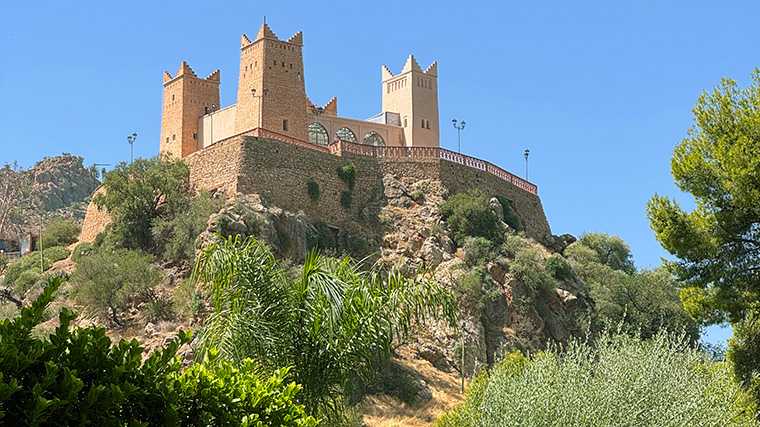
In Beni-Mellal, the Kasba Ras el Ain, perched high on a hill, offers a fantastic view of the surrounding area. The city is a perfect base for visiting nearby nature reserves, such as:
The Ouzoud Waterfalls
The Cathédrale Msfrane Nature Park
The green valley of Aït Bouguemez
The 4,071-meter-high Mount M’Goun
El Jadida – historic Portuguese fortress
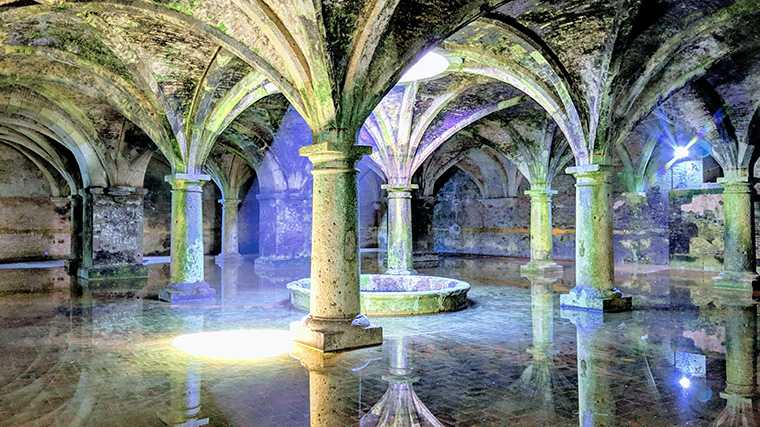
From Beni-Mellal, it takes just over two hours to drive to Casablanca Airport via the A4 highway, but if you’d like to explore a historic site first, head to the coastal town of El Jadida. In the early sixteenth century, the Portuguese built the fortified town of Mazagan there, which is listed in its entirety as a World Heritage Site.
Highlights:
The walls of the citadel in the heart of the old city, featuring four bastions.
The ammunition depot, which was later converted into a water reservoir. It is especially famous for the reflections in the thin layer of water covering the floor.
Best Routes by Rental Car in Morocco
From Fez to Marrakech – through the Middle Atlas
The main road between Fez and Marrakech is the N8, but it can get quite busy. For a more relaxed vacation vibe, it’s better to take the regional roads. Up to Azrou, the route is the same as described above. Try to visit that charming little town on Tuesday, as that’s market day.
A large part of the Middle Atlas Mountains south of Azrou consists of a high-altitude plateau without deep valleys. The advantage is that hiking here is fairly easy. Especially in the spring, you’ll be amazed by the enormous variety of wildflowers.
Highlights along this route:
The headwaters of Morocco’s longest river, the Oum er-Rbia (Mother of Spring). Around the headwaters are plateaus where you can enjoy a snack or a drink.
The weekly market on Wednesdays in the Amazigh village of Aghbala, where farmers from the surrounding area sell their produce.
The Bin El Ouidane reservoir is the largest in Morocco. At its far end, atop a high vantage point, stand the ruins of a French Foreign Legion fort, offering a breathtaking view.
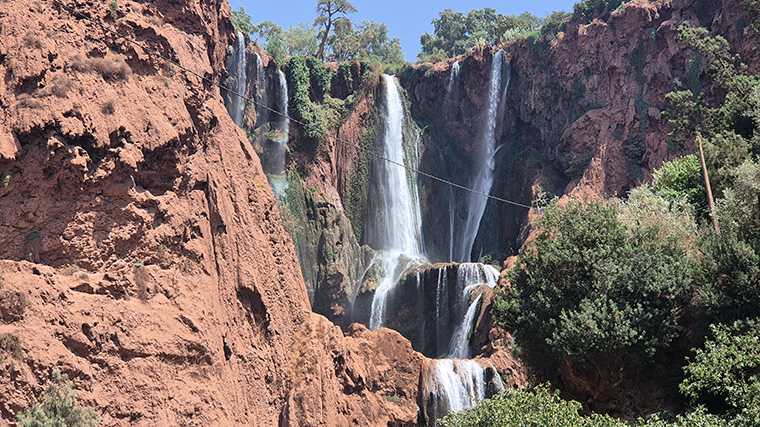
The Ouzoud Waterfalls are spectacular. You can park your rental car in the center of Ouzoud. A path to the right leads to the top of the waterfalls, while the path to the left leads to a long staircase that allows you to view the waterfalls from below.
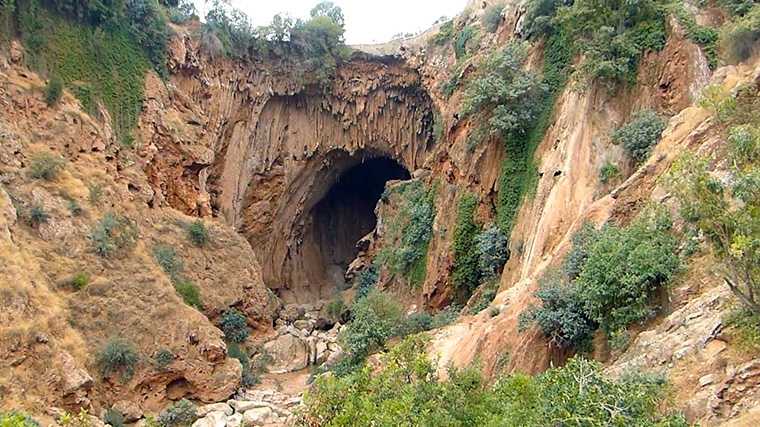
The enormous natural bridge, Imi n’Ifri. “Imi” means “mouth” and “Ifri” means “cave,” so this is the mouth of the cave, near Demnate. You can park your rental car along the R302, which runs along the top of the cave.
The final destination, Marrakech, is of course another highlight. Read more about it in our blog post “5 Day Trips and 2 Tours from Marrakech.”
Tizi n’Tichka – spectacular mountain pass
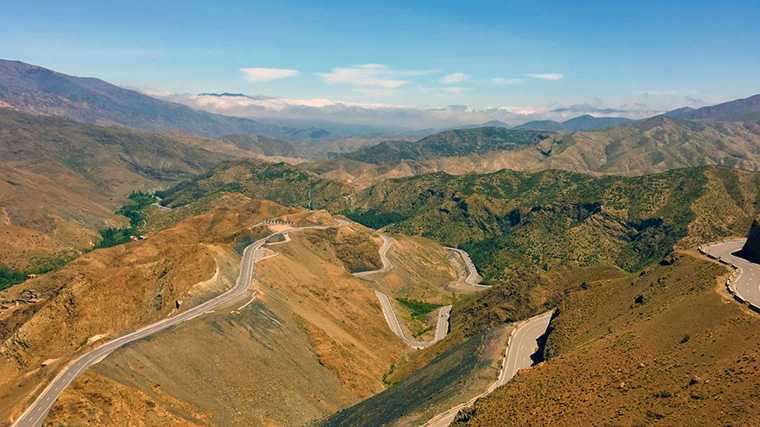
The road between Marrakech and Ouarzazate crosses the Tizi n’Tichka mountain pass at an elevation of 2,260 meters and offers breathtaking views. Although the entire route is paved, this drive requires your full attention: steep cliffs and sharp turns call for careful driving, but the panoramic views more than make up for the effort.
For a drive like this—as well as for other routes through Morocco—it’s nice to have rented a car with a second driver. That way, you can take turns driving and fully enjoy the stunning Moroccan landscape together.
Frequently Asked Questions About Car Rentals in Morocco
Is it safe to drive a rental car in Morocco?
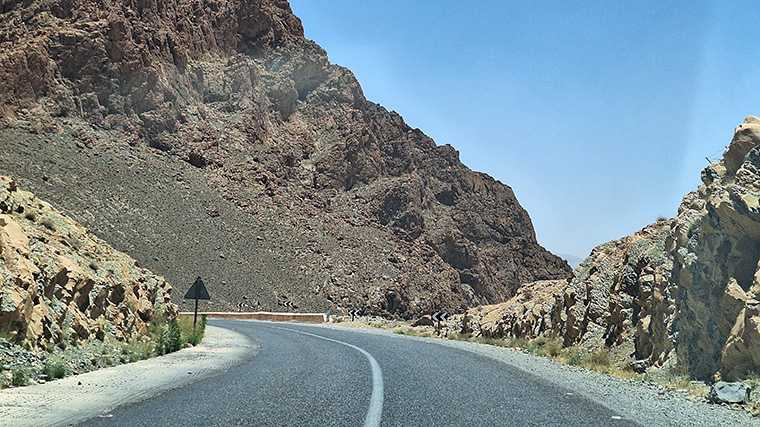
Morocco’s road infrastructure has improved significantly in recent years, with well-maintained roads connecting major cities and increasingly better roads leading to remote areas. On secondary roads, however, you should be mindful of animals or pedestrians on the road.
It’s also important to be familiar with the dimensions of your rental car. Some streets in Moroccan cities and villages can be very narrow.
Are there toll roads in Morocco?
Yes, tolls are charged on virtually all highways. You can pay with cash or a credit card at toll stations in Morocco. Not many rental companies provide a rental car with an electronic toll pass (Jawaz), but you can always ask for one.
Is it possible to avoid Moroccan toll roads entirely?
Yes, there are often toll-free National Routes (N-roads) that run more or less parallel to the A-roads, but the trip will take much longer because those roads pass through cities and villages.
What type of rental car is suitable for a road trip in Morocco?
For trips between the major cities, a compact car will suffice, depending, of course, on the number of people you’re traveling with. For routes through the mountains, an SUV is more suitable. For unpaved roads, it’s better to rent a 4×4. Always check with the local rental company to see if you’re allowed to drive your rental car on such roads.
Is it hard to find a parking spot for your rental car?
No, except in the centers of major cities. When you park your rental car, unofficial parking attendants will approach you and offer to watch over your car for a small fee—this informal system is widespread and provides a reasonable level of security. Never leave valuables visible inside the car.
When is the best time to take a road trip in Morocco?
Spring (March–May) and fall (September–November) offer ideal conditions: moderate temperatures, fewer crowds than in the summer, and landscapes at their most beautiful. Summer (June–August) is very hot, especially inland, but the coastal areas and mountains remain pleasant. Winter (December–February) can be cold, especially in the mountains and northern regions, but the snow-capped Atlas peaks provide a dramatic backdrop.
Can you return a rental car to a different location?
Yes, this is called one-way car rental and is available in Morocco for an additional fee. Popular one-way routes from Casablanca include Tangier and Fez in the north of the country, and Agadir in the south. It’s very easy to arrange: simply specify a different drop-off location, and we’ll show you the rental cars for which that combination is available, including the surcharge.
Why renting a car in Casablanca is ideal
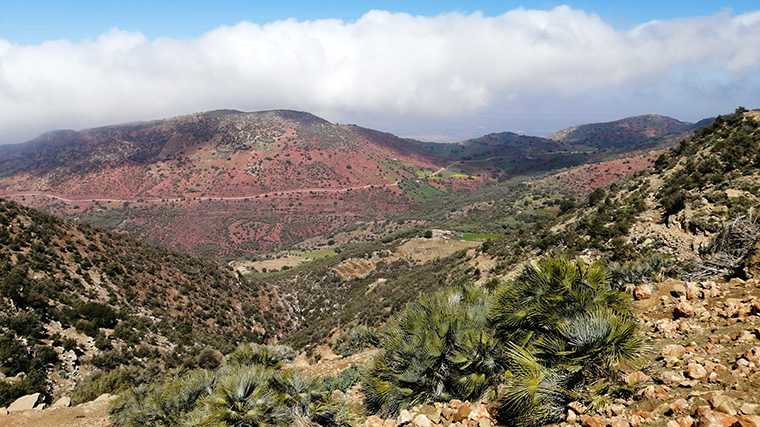
Casablanca is not only Morocco’s largest city, but also the country’s logistical hub. This makes it the perfect place to start your road trip. With a rental car, you don’t have to adjust your itinerary to bus schedules or tour guides. You can stop wherever you want, discover places off the beaten path, and travel in comfort.
Rent a car in Casablanca and start your road trip through Morocco
You probably know that planning your next trip is half the fun. So what are you waiting for? Hopefully, we’ve inspired you to rent a car in Casablanca for your amazing road trip through Morocco. Compare rental cars, choose the vehicle that fits your travel plans, and explore the country on your own terms.
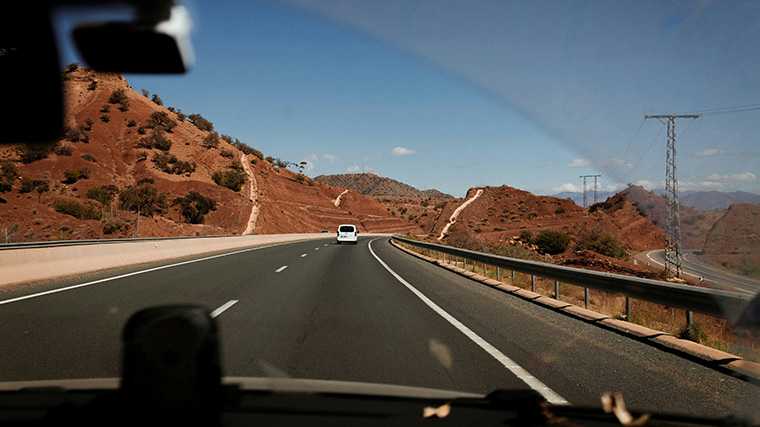
For a worry-free vacation, choose a rental car with our Worry-Free label. This is our all-inclusive car rental solution, which includes:
Full damage coverage
Unlimited mileage
Favorable fuel policy
Reliable, highly-rated rental companies
No unnecessarily high deposit
Book a rental car right away at Casablanca Airport and hit the road worry-free!

Where would you like to rent a car?
- 24000+ pick-up locations
- Free cancellation
- Independent comparator

Useful tips for a well-prepared trip
Which insurance should I choose, and what's the deal with the deposit? Read our articles with useful information and tips to ensure you choose the right rental car for you.


