- Popular countries
- Popular regions
- Popular cities
- Popular airports
- Car Rental Italy
- Car Rental Spain
- Car Rental United States
- Car Rental Portugal
- Car Rental South Africa
- Car Rental France
- Car Rental Netherlands
- Car Rental Greece
- Car Rental Germany
- Car Rental United Kingdom
- Car Rental Belgium
- Car Rental Croatia
- Car Rental Switzerland
- Car Rental Austria
- Car Rental Denmark
- Car Rental Norway
- Car Rental Australia
- Car Rental Ireland
- Car Rental Cyprus
- Car Rental Canada
- Car Rental Florida
- Car Rental Sicily
- Car Rental California
- Car Rental England
- Car Rental Sardinia
- Car Rental Mallorca
- Car Rental Ibiza
- Car Rental Crete
- Car Rental Tenerife
- Car Rental Rhodes
- Car Rental Madeira
- Car Rental Corsica
- Car Rental Gran Canaria
- Car Rental Malta
- Car Rental Scotland
- Car Rental Azores
- Car Rental Fuerteventura
- Car Rental Lanzarote
- Car Rental Corfu
- Car Rental Zakynthos
- Car Rental Amsterdam
- Car Rental Milan
- Car Rental Miami
- Car Rental Lisbon
- Car Rental Malaga
- Car Rental Porto
- Car Rental Rome
- Car Rental Cape Town
- Car Rental Barcelona
- Car Rental Faro
- Car Rental Alicante
- Car Rental Nice
- Car Rental Bari
- Car Rental Naples
- Car Rental Johannesburg
- Car Rental Brussels
- Car Rental Bergamo
- Car Rental Orlando
- Car Rental Palma de Mallorca
- Car Rental Vienna
- Car Rental Amsterdam Schiphol Airport
- Car Rental Miami International Airport
- Car Rental Lisbon Airport
- Car Rental Malaga Airport
- Car Rental Porto Airport
- Car Rental Milan Malpensa Airport
- Car Rental Rome Fiumicino Airport
- Car Rental Faro Airport
- Car Rental Alicante Airport
- Car Rental Bari Palese Airport
- Car Rental Nice Airport
- Car Rental Barcelona Airport
- Car Rental Cape Town Airport - International Terminal
- Car Rental Bergamo Airport
- Car Rental Orlando International Airport
- Car Rental Mallorca Airport
- Car Rental Catania Airport
- Car Rental Johannesburg International Airport
- Car Rental Ibiza Airport
- Car Rental Athens Airport

Parking Your Rental Car in Europe
Blue Zones, Restricted Traffic Zones, and Parking in Vacation Destinations
Last updated: July 20, 2026
Parking with your rental car isn’t the same everywhere in Europe. Think of the color-coded zones in Spain and France, the ZTL in Italian cities, payment apps in urban areas, and free parking as soon as you leave the city centers. Everything you need to know about parking in Europe is listed below.
On this page:
Colored Parking Zones in Europe
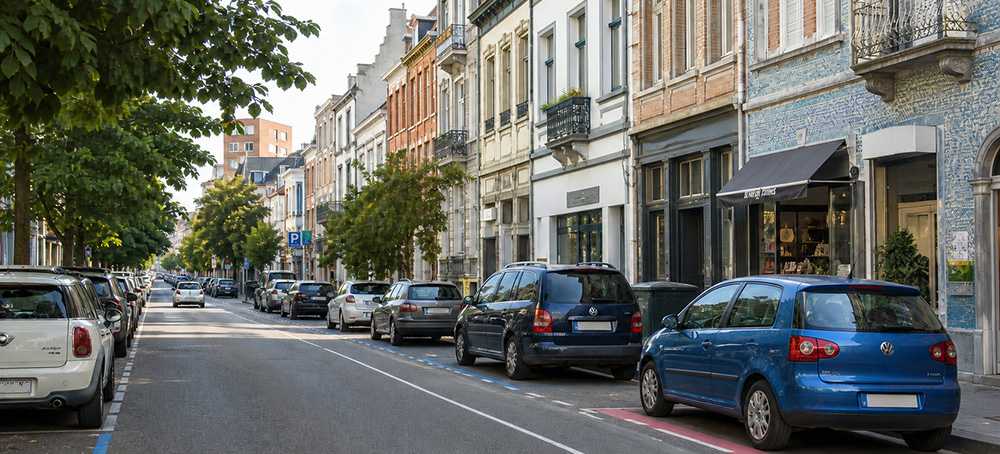
Parking zones have colored lines, but the meaning of those colors varies from country to country in Europe. For example, a blue zone indicates paid parking in many countries, but in France, you can park there for free for up to a certain maximum time with a parking disc. In many countries, white lines indicate free parking, but France is the exception here as well: you sometimes have to pay there. A red curb in France means no parking. In Spain, you’ll find red parking spaces in busy tourist areas where you can park your rental car for a limited time.
To make things easier for you, we’ve listed 6 countries and indicated what the line color means for each one.
| Country | Color | Meaning | Max. parking duration | Penalty |
|---|---|---|---|---|
| Germany | White | Standard parking space, paid via parking meter/app or free, depending on location | As indicated on the sign | Fine for exceeding the time limit or failure to pay |
| Blue | short-term parking zone: free parking with a parking disc |
Usually 1–2 hours | Fine for missing or incorrectly set parking disc | |
| Yellow | No parking or stopping (solid line or zigzag line) | Not permitted | Fine; vehicle may be towed | |
| France | Blue (zone bleue) | Parking disc required | Usually 1–2 hours | Fine for missing parking disc |
| White | Pay attention to the signs! Parking is usually paid in city centers | As indicated by the sign | Fine; amount varies by municipality | |
| Yellow | Solid line: no parking and no stopping Dashed line: brief stops are allowed |
Not permitted | Fine; vehicle may be towed | |
| Red/red-and-white | Absolutely no stopping | Not permitted | Fine, vehicle may be towed | |
| Spain see also: traffic rules |
Blue (zona azul/ORA) | Paid short-term parking | 30 min–2 hours | €80–200, towing or wheel clamp possible |
| White | Free parking | Unlimited (unless otherwise indicated) | N/A | |
| Yellow | No Parking | Not permitted | Fine, vehicle may be towed | |
| Red (zona roja) | Paid parking in tourist areas | Short-term (often shorter than blue) | €80–200, towing or wheel clamp possible | |
| Green (zona verde) | Paid parking, often reserved for residents | Similar to blue | €80–200, towing or wheel clamp possible | |
| Portugal | Blue | Paid parking via parking meter | As indicated on the sign | €30–1,250, depending on severity |
| White | Generally free parking, unless otherwise indicated | Unlimited | N/A | |
| Yellow | No Parking | Not permitted | Fine; vehicle may be towed | |
| Italy | White (strisce bianche) | Free parking | Unlimited, unless otherwise indicated by a sign | N/A |
| Blue (strisce blu) | Paid parking, often combined with a parking disc | As indicated by the sign | Fine for non-payment or exceeding the time limit | |
| Yellow (strisce gialle) | Reserved (people with disabilities, loading/unloading, permit holders); not for general use | N/A | Fine; vehicle may be towed | |
| Greece | White | Free parking | Unlimited | N/A |
| Blue | Paid parking | Often max. 3 hours | Starting at €40; vehicle may be towed; license plate may be impounded | |
| Yellow | Reserved for special vehicles; parking prohibited here | Not permitted | Starting at €40; towing may occur |
Parking by destination type
Your parking strategy depends heavily on where you’re driving. Be prepared for these three situations:
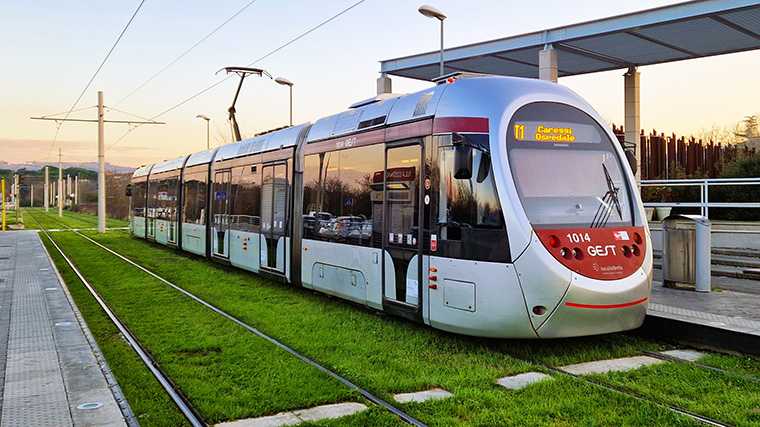
City centers (Florence, Rome, Lisbon, Seville): Don’t drive into the city center yourself. Instead, opt for a park-and-ride facility on the outskirts of the city and take the bus or tram from there. The city center often has a restricted traffic zone (ZTL in Italy) or expensive paid parking zones. Want to park at your hotel? Then book that in advance through your accommodation.
Coastal and beach destinations (Cap d’Agde, Costa del Sol, Italian Riviera): arrive early, preferably before 10:00 a.m. That way, you’ll still have a chance of finding a shaded spot. During peak season, parking lots at popular beaches are almost always full after 11:00 a.m. Keep in mind that many coastal parking lots are paid, ranging from €4 to €15 per day.
If you’re traveling during the busy months of July or August, be sure to check out our tips for renting a car during peak season. And with the summer heat in Southern Europe in mind: be prepared for heat waves.
Mountain towns or villages (Mdina, Saint-Paul-de-Vence, Èze, Vilaflor): Park on the outskirts of the village—for free or for €2 to €5—and walk the last stretch uphill. The streets themselves are often too narrow and unsuitable for parking. Just follow the “P” signs that lead you to the right parking lot.
Parking apps for Europe
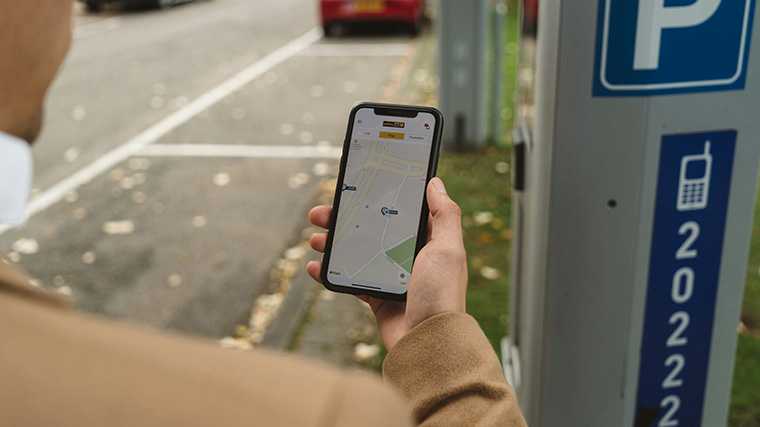
These days, in many European cities, you can only pay through an app; coin-operated machines are becoming increasingly rare. There are two major payment apps you should know about.
EasyPark covers more than 20 European countries and is dominant in Spain, Italy, France, Germany, Belgium, and the Netherlands. Download it in advance and register your credit card, so you won’t run into any surprises.
PayByPhone is available in France, Italy, Germany, Switzerland, and the United Kingdom.
Our practical advice: install both EasyPark and PayByPhone before you leave. Some zones support only one app, while others support multiple apps. Paying via an app can be slightly more expensive—expect transaction fees of €0.15 to €0.25 per parking session—but it helps you avoid mistakes and is simply faster.
Special Zones: ZTL and Environmental Zones
ZTL (Zona Traffico Limitato)
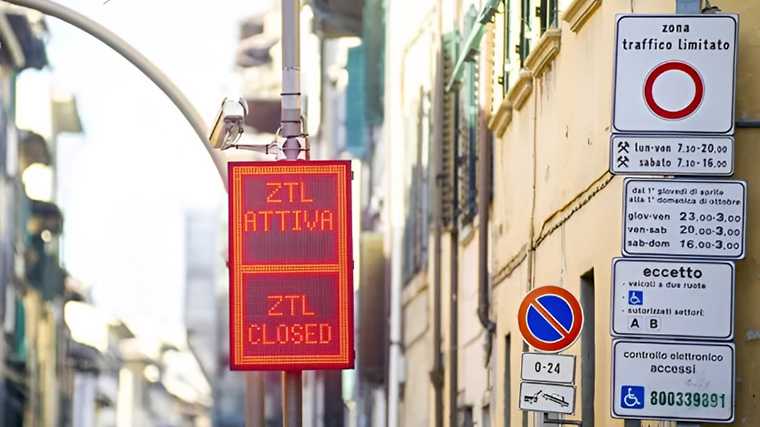
In Italian cities like Florence, Rome, Milan, and Bologna (but also many others!), you’ll come across the ZTL: the Zona Traffico Limitato. These are historic city centers where you’re simply not allowed to enter without a permit, monitored by cameras that automatically record every license plate. If you accidentally drive into one, you’ll receive a fine weeks later, plus administrative fees from the rental company. So it’s wise to always park outside the ZTL.
Read more about these zones, which you’ll find in virtually all Italian cities, in our comprehensive ZTL guide.
Environmental Zones: ZBE, LEZ, ZFE, Umweltzone
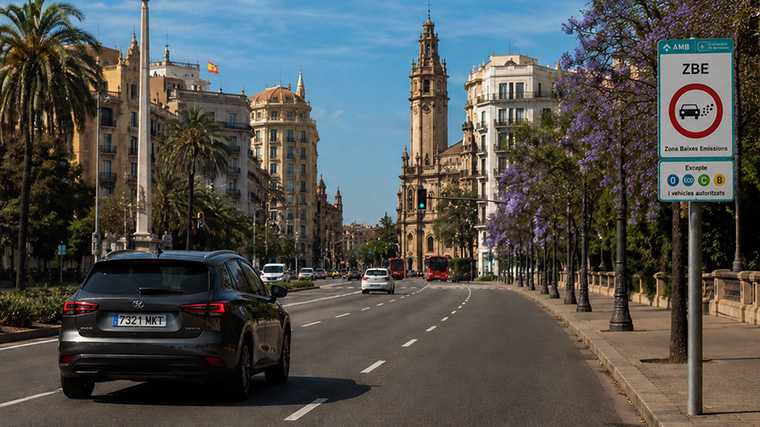
Although a ZTL also has an environmental impact, its primary purpose is to protect medieval buildings in historic Italian city centers. Environmental zones, which have been established in an increasing number of European cities, are intended to keep the most polluting cars out. They have various names and abbreviations: Low Emission Zone (LEZ—Flanders), Zone de Basses Émissions (ZBE—Wallonia), Low Emission Zone (LEZ—United Kingdom), Zone à Faibles Émissions (ZFE—France), Zona de Bajas Emisiones (ZBE—Spain), and Umweltzone (Germany).
If you rent a car through EasyTerra, you don’t have to worry about these zones, because our providers generally give you a relatively new rental car that meets the requirements for driving in city centers. Just to be safe, check when you pick up the rental car to see if there’s an environmental sticker on the windshield.
Fines and Towing of Rental Cars
Illegal parking in Europe usually costs between €20 and €200, depending on the country and the offense. In Italy, fines typically range from €40 to €100, with exceptions reaching up to €344 for more serious offenses such as parking in a space reserved for people with disabilities. In Germany, fines are relatively low (€10–55), rising to €110 if the violation causes obstruction or poses a hazard. In Spain, fines range from €40 to €200, but you receive a 50% discount if you pay promptly.
If you’re parked illegally in a yellow zone, in front of a fire lane, or in a disabled parking space, you risk having your car towed. The costs for this range from €150 to €400, plus a daily fee for the impound lot. So be sure to pay as soon as possible. Not sure where your rental car is? Check with the local police.
With a rental car, the fine is sent to the owner—that is, the rental company—which adds an additional €25–50 in administrative fees. Read how this works if you receive a fine while driving a rental car.
5 Frequently Asked Questions About Parking in Europe
1. What is a blue zone in Europe?
A blue zone indicates a parking area with a time limit: usually between 1 and 4 hours. You can recognize it by blue lines on the road and blue signs. This is how the municipality prevents commuters from parking there all day. Sometimes you can park for free (in France, with a parking disc), but usually you have to pay. Expect to pay €0.50 to €3 per hour, and keep in mind: every country has its own parking meters. You’ll mainly find these blue zones in Spain, France, Italy, and Belgium.
2. Can I park or even drive in an Italian ZTL zone?
No, you’re not allowed to. ZTL (Zona Traffico Limitato) means that, as a non-resident, you’re simply not allowed to enter. Cameras read your license plate, and the fine (usually between €80 and €165) is automatically sent to your rental company, which will then pass it on to you. So never drive past a ZTL sign; instead, park your rental car on the outskirts of the city center. That’ll save you a lot of hassle later on.
3. Which parking app do I need in Spain?
In most Spanish cities, you’ll find EasyPark; download it before you leave and register your credit card in advance, and you’ll be all set. Please note: not every zone uses an app—especially in smaller towns, you’ll still see regular coin-operated parking meters. So always bring some change or your debit card as a backup, so you’re never left empty-handed.
In addition to parking and parking zones, we have many more tips for you in our article on traffic rules in Spain.
4. What should I do if my rental car has been towed?
First, call the local police to find out which impound lot your car was taken to. Then take a taxi there and bring your rental car documents and ID. Once there, you’ll pay the towing fee plus a daily impound fee, which together can easily total €150 to €400.
5. Illegally parked rental car: how do I pay the fine?
Unless you’re personally issued a ticket by the police and can pay it right away, the fine will be sent to the rental company as the car’s owner. They’ll bill you for that amount plus an administrative fee. Usually, the total amount is charged to your credit card. We have a detailed article explaining exactly how it works if you receive a fine while driving a rental car.
Parking in Europe is a hassle… so maybe I shouldn’t rent a car?
Not at all! While parking rules aren’t the same everywhere in Europe, if you take a moment to review the rules beforehand, you’ll save yourself fines and hassle along the way. With the information we’ve provided above, you can rent a car with confidence. A rental car gives you the freedom to go wherever you want, the flexibility to set your own pace, and the chance to discover beautiful spots you couldn’t reach without your own transportation.
Not sure where you want to go in Europe yet and need some inspiration? We’re here to help:
10 Day Trips from Málaga
Tips for a Côte d’Azur road trip
A stunning route through the mountains of Mallorca
Tuscany road trip from Florence
Discover Ibiza beyond the party scene
Tips for road trips through the Algarve
Explore beautiful Crete
12 tips for a road trip in Sardinia
Rent a car through EasyTerra, because we offer you:
100% free comparison
You’ll never pay more than you would directly through the rental company.All-inclusive rates
Airport surcharges, insurance, and any young driver surcharges are always included.Reviews by pickup counter
No general reviews of a brand, but real reviews of the specific counter at your destination.Free cancellation
Have your plans changed, or is there another reason you want to cancel your reservation? No problem—with EasyTerra , you can easily cancel for free up to 48 hours before the start of the rental period, regardless of the reason.
Want a completely worry-free vacation with a rental car? Then choose our Worry-Free label—these cars have a relatively low deposit, come from reliable rental companies, and include excess coverage.

Where would you like to rent a car?
- 24000+ pick-up locations
- Free cancellation
- Independent comparator

Useful tips for a well-prepared trip
Which insurance should I choose, and what's the deal with the deposit? Read our articles with useful information and tips to ensure you choose the right rental car for you.