- Popular countries
- Popular regions
- Popular cities
- Popular airports
- Car Rental Italy
- Car Rental Spain
- Car Rental United States
- Car Rental Portugal
- Car Rental South Africa
- Car Rental France
- Car Rental Netherlands
- Car Rental Greece
- Car Rental Germany
- Car Rental United Kingdom
- Car Rental Belgium
- Car Rental Croatia
- Car Rental Switzerland
- Car Rental Austria
- Car Rental Denmark
- Car Rental Norway
- Car Rental Australia
- Car Rental Ireland
- Car Rental Cyprus
- Car Rental Canada
- Car Rental Florida
- Car Rental Sicily
- Car Rental California
- Car Rental England
- Car Rental Sardinia
- Car Rental Mallorca
- Car Rental Ibiza
- Car Rental Crete
- Car Rental Tenerife
- Car Rental Rhodes
- Car Rental Madeira
- Car Rental Corsica
- Car Rental Gran Canaria
- Car Rental Malta
- Car Rental Scotland
- Car Rental Azores
- Car Rental Fuerteventura
- Car Rental Lanzarote
- Car Rental Corfu
- Car Rental Zakynthos
- Car Rental Amsterdam
- Car Rental Milan
- Car Rental Miami
- Car Rental Lisbon
- Car Rental Malaga
- Car Rental Porto
- Car Rental Rome
- Car Rental Cape Town
- Car Rental Barcelona
- Car Rental Faro
- Car Rental Alicante
- Car Rental Nice
- Car Rental Bari
- Car Rental Naples
- Car Rental Johannesburg
- Car Rental Brussels
- Car Rental Bergamo
- Car Rental Orlando
- Car Rental Palma de Mallorca
- Car Rental Vienna
- Car Rental Amsterdam Schiphol Airport
- Car Rental Miami International Airport
- Car Rental Lisbon Airport
- Car Rental Malaga Airport
- Car Rental Porto Airport
- Car Rental Milan Malpensa Airport
- Car Rental Rome Fiumicino Airport
- Car Rental Faro Airport
- Car Rental Alicante Airport
- Car Rental Bari Palese Airport
- Car Rental Nice Airport
- Car Rental Barcelona Airport
- Car Rental Cape Town Airport - International Terminal
- Car Rental Bergamo Airport
- Car Rental Orlando International Airport
- Car Rental Mallorca Airport
- Car Rental Catania Airport
- Car Rental Johannesburg International Airport
- Car Rental Ibiza Airport
- Car Rental Athens Airport

Renting a Car During a Heat Wave: 8 Practical Tips
Driving in Hot Southern Europe: How to Prepare
Last updated: July 20, 2026
Southern European summers are getting hotter and hotter: in July and August, temperatures ranging from 35 to 45°C are now common in Spain, Italy, Greece, and Portugal. If you’re driving a rental car during this time of year, extreme heat requires specific precautions. Think about parking in the shade, using the air conditioning wisely, checking tire pressure, and knowing when it’s best to avoid the road.
Also check out our tips for smart travel with a rental car in August.
On this page:
What is a heat wave in Southern Europe?
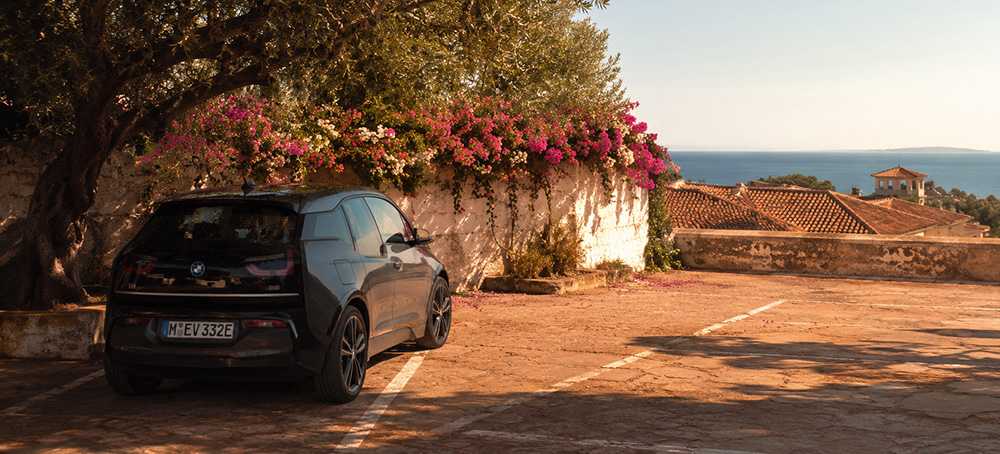
Officially, a heat wave is defined as 5 consecutive days above 25°C, with at least 3 of those days above 30°C. In Southern Europe, temperatures rise even higher in July and August, often reaching 35–45°C—a trend that the summers from 2022 to 2025 have established as the new normal. Particularly hot regions include southern Spain (Seville and Córdoba regularly exceed 40°C), Sicily, Sardinia, Athens and the Greek islands, and the Algarve in southern Portugal. Please note: the temperature inside your car can quickly rise to 70°C or higher in direct sunlight. Therefore, plan your driving hours carefully to avoid the heat.
You can read specific tips for destinations in Southern Europe in our blogs:
A Stunning Route Through the Mountains of Mallorca
Discover Ibiza Beyond the Party Scene
Must-see stops in Tenerife
Discover Malta’s most beautiful spots
8 practical tips for temperatures of 35°C and above
Tip 1 - Always park in the shade
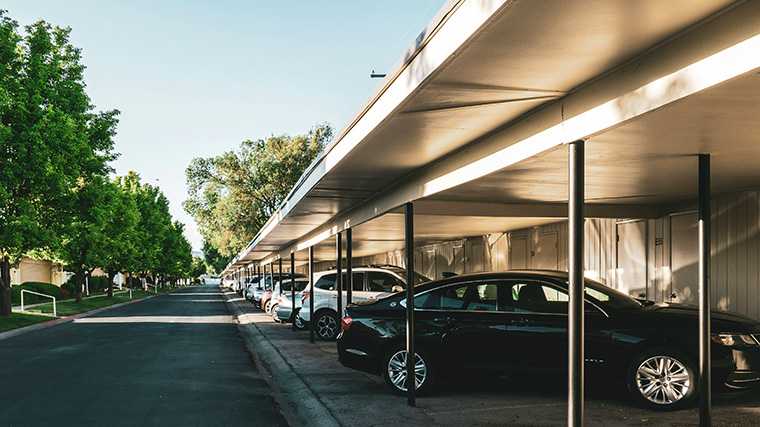
Find a spot under a tree, in a parking garage, or on the north side of a building. In direct sunlight, the interior temperature can rise to 50–70°C after 30 minutes; in the shade, it stays between 35–40°C. No shade available? A sunshade for the windshield can easily reduce the temperature by 15 to 20°C.
Tip 2 – Use the air conditioning wisely
If your car is hot, first open the windows for 1 to 2 minutes to let the hot air out, then close them and set the AC to maximum cooling. Turning on the AC immediately when the car is hot is less efficient and takes longer to actually cool down the interior.
Tip 3 - Check your tire pressure beforehand
Heat causes the tire rubber and the air inside to expand, increasing the pressure. With old or worn tires, the risk of a blowout increases. Check the pressure when the car is cool, for example early in the morning, or at a gas station with an air pressure gauge. Always follow the tire pressure recommendations listed on the door jamb.
Tip 4 - Check coolant and oil levels
Overheating is one of the main causes of breakdowns during extreme heat. If the engine temperature on the display jumps into the red, stop immediately in a safe place and turn off the engine. When picking up your rental car, feel free to ask if this has been checked recently.
Tip 5 - Never leave children, pets, or electronics behind
Temperatures inside a parked car can rise to life-threatening levels within minutes. Electronics such as laptops or phones can also be damaged at temperatures above 60°C, and chocolate or plastic packaging certainly can’t withstand that heat.
Tip 6 - Stay hydrated and check your supplies
Bring at least 1 liter of water per person for every 4 hours of driving in a cooler. Also check the safety vests, first-aid kit, and spare tire. Heat exhaustion while driving is a real safety risk that you can easily prevent.
Tip 7 - Drive during the cooler hours
Early morning (5:00–9:00 a.m.) or late afternoon (5:00–9:00 p.m.) are the most pleasant times to drive. Plan longer trips during these cooler periods. Avoid 12:00 p.m.–4:00 p.m.: not only is it the hottest time of day, but the air conditioning is also working hardest, there’s more traffic, and the risk of the engine overheating increases.
Tip 8 - A convertible isn’t always ideal
A convertible sounds appealing, but above 35°C, driving with the top down and no protection can quickly become exhausting. In practice, you’ll end up driving with the top up and the air conditioning on anyway, which largely negates the benefits of a convertible during a heat wave.
Safety checklist: when should you avoid driving?
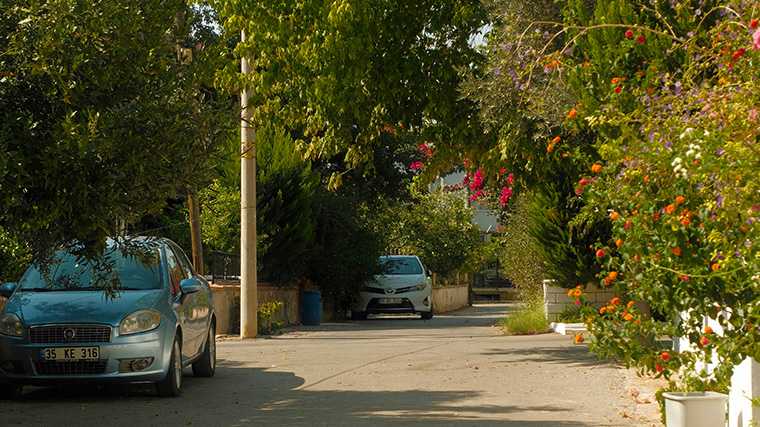
Sometimes the wisest choice is simply not to drive. If the local temperature rises above 42°C, the engine and air conditioning will be under extreme strain. If a red heat warning has been issued by the local weather service—such as AEMET in Spain, IPMA in Portugal, or EMY in Greece—take it seriously. Your own health is also a factor: if you’re traveling with vulnerable passengers—such as children under 5, seniors over 65, or a pregnant travel companion—be extra cautious. If you feel fatigue or a headache coming on, take that as a clear warning sign. If you’re unsure, it’s better to wait a day or limit yourself to short trips of no more than 2 hours.
What should you do in case of heat-related breakdowns or damage?
If you experience heat-related damage, such as an overheated engine, a blowout, or a malfunctioning air conditioner, follow these steps:
Pull over immediately to a safe spot, such as the emergency lane or, if necessary, the shoulder, and put on your safety vest before getting out of the car.
If the engine is overheated, turn it off but don’t open the hood right away; hot steam may escape. Wait 15 to 20 minutes before checking the engine.
Then call the car rental company’s number listed on your voucher for breakdown instructions. Tip: Save the rental company’s number in your phone as soon as you receive the voucher, so you won’t have to search for it later.
If you have a blowout, do not try to change the tire yourself when temperatures exceed 40°C. Call a tow service, which is often covered free of charge by the rental company’s insurance.
We’ve written a detailed article about breakdowns while driving a rental car and what to do.
Frequently Asked Questions About Driving in Extreme Heat
1. How high can the temperature get inside a parked car?
If you park in direct sunlight when the outside temperature is 35°C, the temperature inside your car can rise to 55–70°C in as little as 30 minutes. Therefore, never leave children or pets in a parked car. In the shade, the temperature stays around 35–40°C, and using a sunshade on the windshield can lower it by another 15 to 20°C.
2. Is it safe to drive my rental car in extreme heat?
Absolutely—modern rental cars are well-suited for the Southern European summer. However, the air conditioning and the engine’s cooling system will be running at full capacity. Therefore, check your tire pressure and coolant levels before long drives. If you notice a problem, such as the AC failing or the engine overheating, do not continue driving. Stop immediately and call the rental company using the number on your voucher.
3. Can I leave the rental car running with the air conditioning on during stops?
We do not recommend this for extended periods. Many rental agreements prohibit unnecessary idling, both for safety reasons and to conserve fuel. In Spain, this is even prohibited by law for parked cars. Instead, turn off the engine briefly and use a sunshade with the windows slightly open (if it’s safe to do so).
4. What if the air conditioning in my rental car breaks down during a heatwave?
Call the car rental company’s number on your voucher immediately for instructions. At temperatures above 35°C, a malfunctioning air conditioner is a reasonable grounds for requesting a replacement car. Do not continue driving that day without a working air conditioner: there is a high risk of heat exhaustion for your passengers and engine overheating.
5. Can I cancel my rental car for free if there’s a heat wave warning?
With EasyTerra, you can easily cancel for free up to 48 hours before the start of the rental period, regardless of the reason. Within 48 hours before the rental period begins, cancellation is usually no longer free, even with a heat wave warning. Consider purchasing separate cancellation insurance from your travel insurance provider.
Renting a Car in Southern Europe During the Summer

Despite the summer heat, renting a car in Southern Europe remains one of the best ways to travel. With a little preparation—such as finding shade, using the air conditioning wisely, and planning your drives outside the hottest hours of the day—you’ll get the most out of your vacation. You’re not tied to bus schedules or crowded train stations, and you can decide for yourself when to visit a hidden beach, a quiet mountain village, or a shady terrace. It’s especially in the early morning or late afternoon, when the heat subsides a bit, that the most beautiful moments on the road happen. This way, you can combine the freedom of the open road with a sensible approach to summer temperatures.
For more tips on the summer season—which is not only hot but also busy—check out our article: Smart Travel with a Rental Car in August.
Not sure where you want to go yet? We’ll help you get started with our blogs on traveling by rental car:
Explore beautiful Crete
21 Tips for Trips on Rhodes
10 day trips from Málaga
12 tips for a road trip in Sardinia
Have you made your choice? Then book your rental car now for your Southern European vacation in Spain, Portugal, Italy, or Greece.

Where would you like to rent a car?
- 24000+ pick-up locations
- Free cancellation
- Independent comparator

Useful tips for a well-prepared trip
Which insurance should I choose, and what's the deal with the deposit? Read our articles with useful information and tips to ensure you choose the right rental car for you.