- Popular countries
- Popular regions
- Popular cities
- Popular airports
- Car Rental Italy
- Car Rental Spain
- Car Rental United States
- Car Rental Portugal
- Car Rental South Africa
- Car Rental France
- Car Rental Netherlands
- Car Rental Greece
- Car Rental Germany
- Car Rental United Kingdom
- Car Rental Belgium
- Car Rental Croatia
- Car Rental Switzerland
- Car Rental Austria
- Car Rental Denmark
- Car Rental Norway
- Car Rental Australia
- Car Rental Ireland
- Car Rental Cyprus
- Car Rental Canada
- Car Rental Florida
- Car Rental Sicily
- Car Rental California
- Car Rental England
- Car Rental Sardinia
- Car Rental Mallorca
- Car Rental Ibiza
- Car Rental Crete
- Car Rental Tenerife
- Car Rental Rhodes
- Car Rental Madeira
- Car Rental Corsica
- Car Rental Gran Canaria
- Car Rental Malta
- Car Rental Scotland
- Car Rental Azores
- Car Rental Fuerteventura
- Car Rental Lanzarote
- Car Rental Corfu
- Car Rental Zakynthos
- Car Rental Amsterdam
- Car Rental Milan
- Car Rental Miami
- Car Rental Lisbon
- Car Rental Malaga
- Car Rental Porto
- Car Rental Rome
- Car Rental Cape Town
- Car Rental Barcelona
- Car Rental Faro
- Car Rental Alicante
- Car Rental Nice
- Car Rental Bari
- Car Rental Naples
- Car Rental Johannesburg
- Car Rental Brussels
- Car Rental Bergamo
- Car Rental Orlando
- Car Rental Palma de Mallorca
- Car Rental Vienna
- Car Rental Amsterdam Schiphol Airport
- Car Rental Miami International Airport
- Car Rental Lisbon Airport
- Car Rental Malaga Airport
- Car Rental Porto Airport
- Car Rental Milan Malpensa Airport
- Car Rental Rome Fiumicino Airport
- Car Rental Faro Airport
- Car Rental Alicante Airport
- Car Rental Bari Palese Airport
- Car Rental Nice Airport
- Car Rental Barcelona Airport
- Car Rental Cape Town Airport - International Terminal
- Car Rental Bergamo Airport
- Car Rental Orlando International Airport
- Car Rental Mallorca Airport
- Car Rental Catania Airport
- Car Rental Johannesburg International Airport
- Car Rental Ibiza Airport
- Car Rental Athens Airport

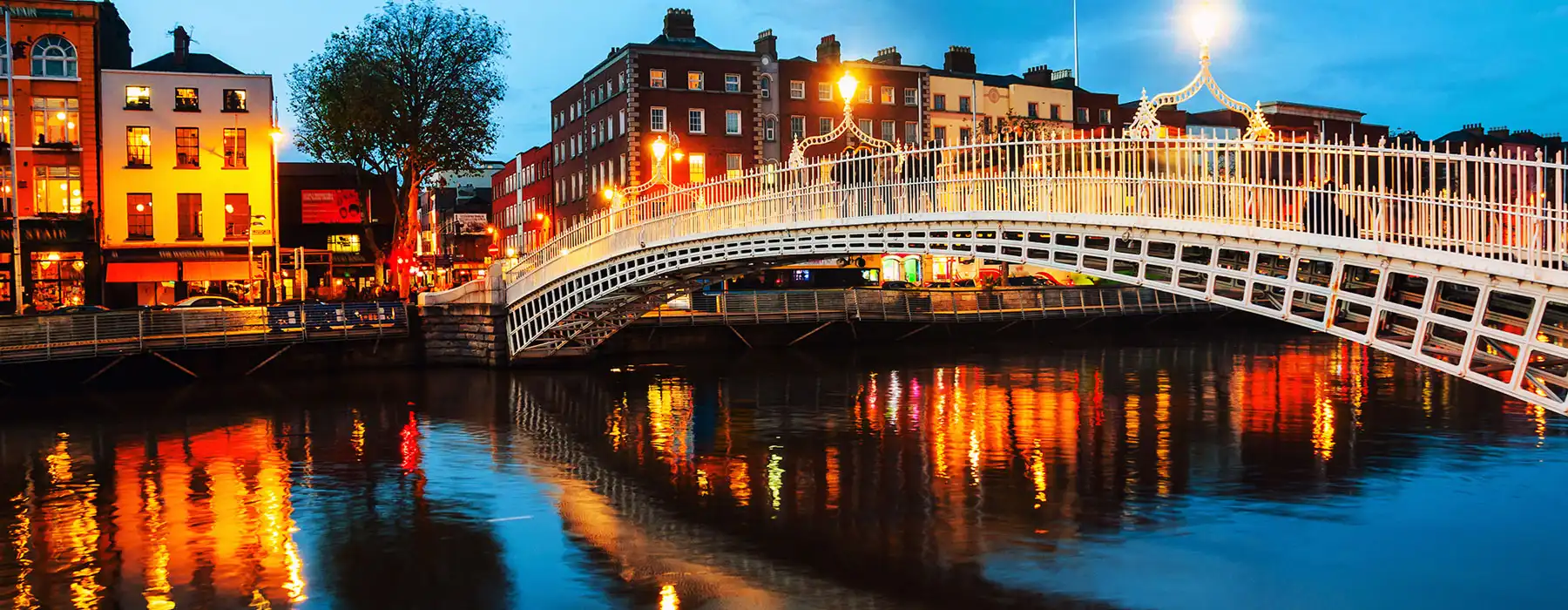
Car Rental Dublin
Save time and money. We compare the offers of car rental companies in Dublin on your behalf.
Worry Free


Car Rental Dublin
EasyTerra Car Rental Dublin is an independent car rental comparison site. Our site compares prices from well-known car rental companies so that, as a customer, you can always reserve your car with us at a competitive rate.
Car rental offers in Dublin
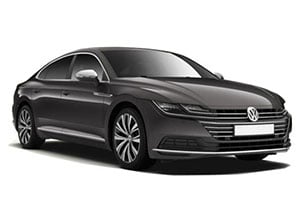
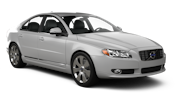
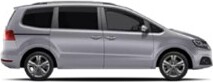
Whether you're looking for a small rental car or a station wagon for the entire family, we will always have a suitable vehicle at the lowest price. Below are some examples from our selection in Dublin.

-
Carhire From€ 8 /day -
Avis From€ 12 /day -
Keddy By Europcar From€ 12 /day
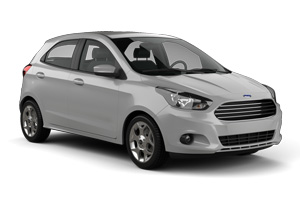
-
Carhire From€ 8 /day -
Sixt From€ 11 /day -
Payless Car Rental From€ 11 /day
-
Carhire From€ 16 /day -
Flizzr From€ 19 /day -
Sixt From€ 19 /day
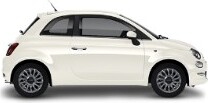
-
Easirent From€ 9 /day
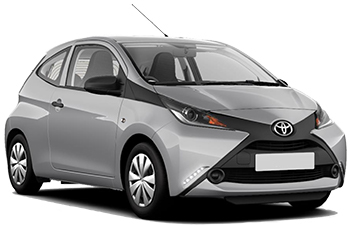
-
Thrifty From€ 9 /day -
Carhire From€ 10 /day -
Dollar Rent a Car From€ 11 /day
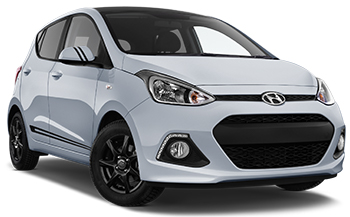
-
Carhire From€ 16 /day -
Keddy By Europcar From€ 19 /day -
Europcar From€ 24 /day

-
Carhire From€ 10 /day
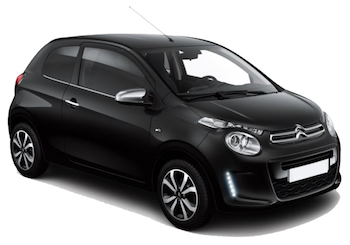
-
Thrifty From€ 11 /day -
Dollar Rent a Car From€ 100 /day
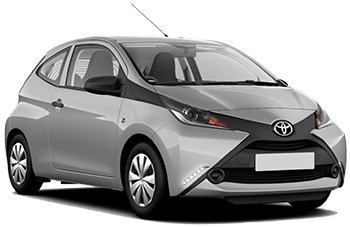
-
Keddy By Europcar From€ 16 /day -
Thrifty From€ 18 /day -
Dollar Rent a Car From€ 18 /day
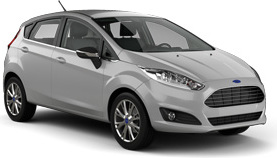
-
Carhire From€ 9 /day -
Easirent From€ 10 /day -
Sixt From€ 11 /day

-
Carhire From€ 10 /day -
Payless Car Rental From€ 13 /day -
Flizzr From€ 14 /day
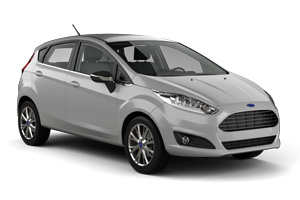
-
Carhire From€ 16 /day -
Flizzr From€ 19 /day -
Keddy By Europcar From€ 19 /day

-
Thrifty From€ 10 /day -
Carhire From€ 11 /day -
Keddy By Europcar From€ 12 /day
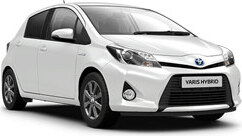
-
Carhire From€ 12 /day -
Thrifty From€ 14 /day -
Dollar Rent a Car From€ 15 /day
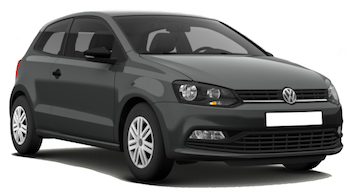
-
Keddy By Europcar From€ 16 /day -
Thrifty From€ 18 /day -
Dollar Rent a Car From€ 18 /day
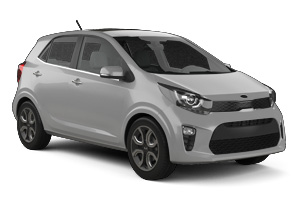
-
Thrifty From€ 13 /day -
Dollar Rent a Car From€ 13 /day -
Payless Car Rental From€ 14 /day
-
Thrifty From€ 13 /day -
Dollar Rent a Car From€ 13 /day -
Budget From€ 13 /day
-
Flizzr From€ 20 /day -
Sixt From€ 22 /day -
Carhire From€ 25 /day
-
Easirent From€ 11 /day -
Thrifty From€ 12 /day -
Carhire From€ 12 /day
-
Easirent From€ 11 /day -
Thrifty From€ 12 /day -
Dollar Rent a Car From€ 14 /day
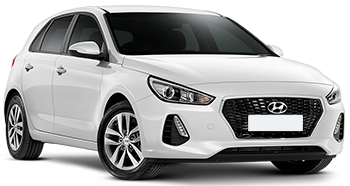
-
Carhire From€ 18 /day -
Europcar From€ 87 /day

-
Carhire From€ 12 /day -
Payless Car Rental From€ 15 /day -
Sixt From€ 17 /day
-
Carhire From€ 12 /day

-
Carhire From€ 18 /day -
Keddy By Europcar From€ 18 /day -
Europcar From€ 24 /day
-
Carhire From€ 12 /day -
Europcar From€ 55 /day
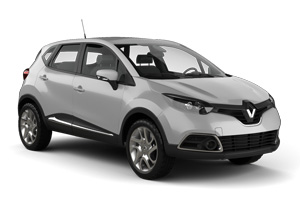
-
Carhire From€ 13 /day -
Avis From€ 16 /day -
Dollar Rent a Car From€ 16 /day
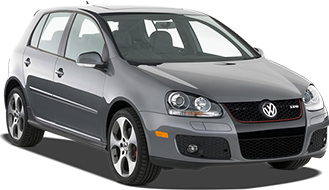
-
Keddy By Europcar From€ 19 /day -
Flizzr From€ 20 /day -
Sixt From€ 21 /day

-
Payless Car Rental From€ 15 /day -
Budget From€ 23 /day -
Avis From€ 38 /day
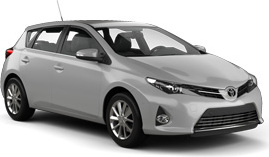
-
Payless Car Rental From€ 16 /day
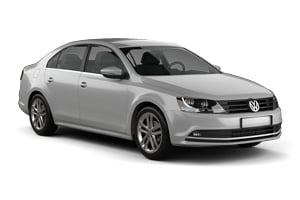
-
Sixt From€ 26 /day -
Flizzr From€ 27 /day

-
Payless Car Rental From€ 17 /day -
Budget From€ 19 /day -
Hertz From€ 45 /day
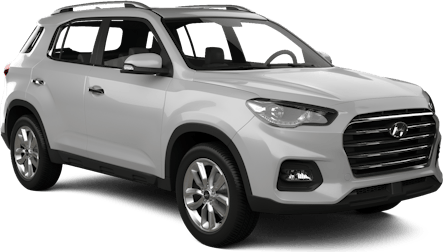
-
Payless Car Rental From€ 18 /day -
Budget From€ 18 /day

-
Flizzr From€ 27 /day -
Sixt From€ 29 /day -
Budget From€ 36 /day
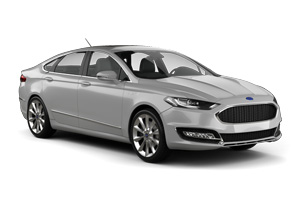
-
Carhire From€ 18 /day -
Keddy By Europcar From€ 18 /day -
Europcar From€ 22 /day
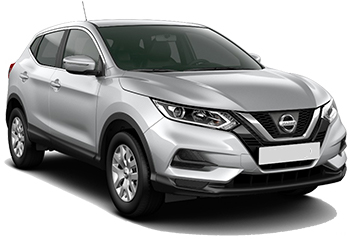
-
Carhire From€ 18 /day -
Sixt From€ 20 /day -
Keddy By Europcar From€ 22 /day
-
Keddy By Europcar From€ 27 /day -
Carhire From€ 41 /day -
Europcar From€ 46 /day
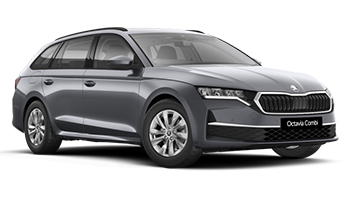
-
Thrifty From€ 18 /day -
Payless Car Rental From€ 19 /day -
Dollar Rent a Car From€ 21 /day
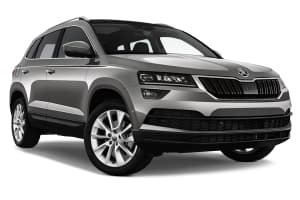
-
Payless Car Rental From€ 19 /day

-
Sixt From€ 35 /day
-
Easirent From€ 20 /day

-
Thrifty From€ 20 /day -
Dollar Rent a Car From€ 21 /day -
Budget From€ 26 /day
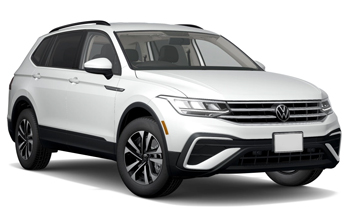
-
Sixt From€ 36 /day
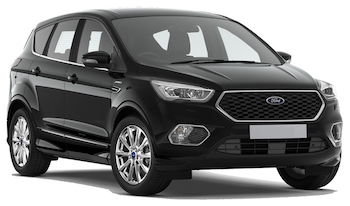
-
Thrifty From€ 21 /day -
Dollar Rent a Car From€ 21 /day -
Hertz From€ 28 /day

-
Easirent From€ 23 /day -
Sixt From€ 30 /day -
Flizzr From€ 31 /day

-
Thrifty From€ 39 /day -
Dollar Rent a Car From€ 40 /day -
Avis From€ 43 /day
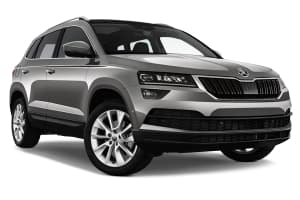
-
Payless Car Rental From€ 27 /day
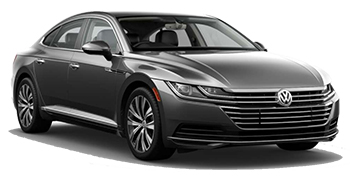
-
Sixt From€ 39 /day -
Flizzr From€ 40 /day
-
Sixt From€ 46 /day -
Flizzr From€ 46 /day
-
Flizzr From€ 39 /day -
Dollar Rent a Car From€ 96 /day
-
Easirent From€ 41 /day
-
Flizzr From€ 49 /day
-
Alamo From€ 44 /day -
Enterprise From€ 60 /day -
National Car Rental From€ 74 /day
-
Enterprise From€ 64 /day -
Alamo From€ 68 /day -
National Car Rental From€ 74 /day
-
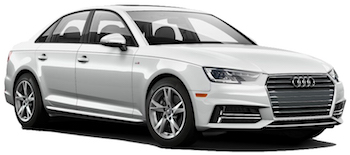
Carhire From€ 48 /day -
Europcar From€ 63 /day -
Enterprise From€ 68 /day
-
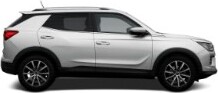
Easirent From€ 35 /day
-
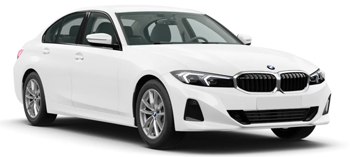
Easirent From€ 37 /day -
Sixt From€ 42 /day
-
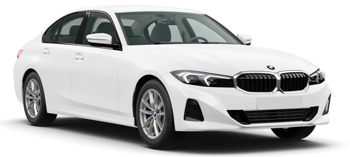
Sixt From€ 47 /day

-
Enterprise From€ 51 /day -
Sixt From€ 55 /day -
Flizzr From€ 55 /day
-
Enterprise From€ 57 /day -
Alamo From€ 69 /day -
National Car Rental From€ 69 /day
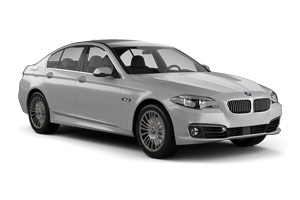
-
Carhire From€ 59 /day -
Sixt From€ 69 /day -
Flizzr From€ 74 /day
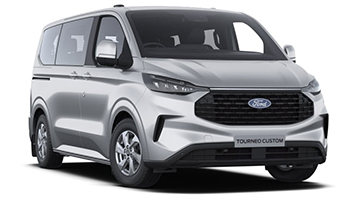
-
Enterprise From€ 71 /day -
Alamo From€ 71 /day
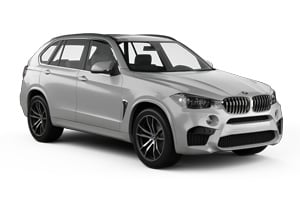
-
Alamo From€ 64 /day -
Enterprise From€ 64 /day -
Sixt From€ 185 /day
-
Alamo From€ 67 /day -
Enterprise From€ 67 /day -
National Car Rental From€ 75 /day
-
Payless Car Rental From€ 19 /day -
Budget From€ 23 /day -
Avis From€ 38 /day
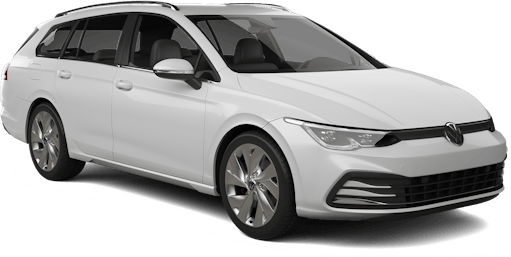
-
Budget From€ 19 /day
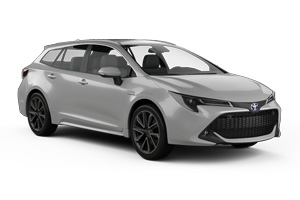
-
Sixt From€ 27 /day -
Flizzr From€ 28 /day
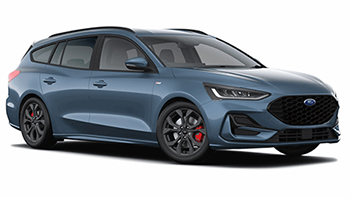
-
Easirent From€ 19 /day -
Carhire From€ 22 /day -
Europcar From€ 31 /day
-
Sixt From€ 21 /day -
Flizzr From€ 22 /day
-
Flizzr From€ 28 /day -
Sixt From€ 33 /day
-
Sixt From€ 23 /day -
Flizzr From€ 23 /day -
Budget From€ 39 /day
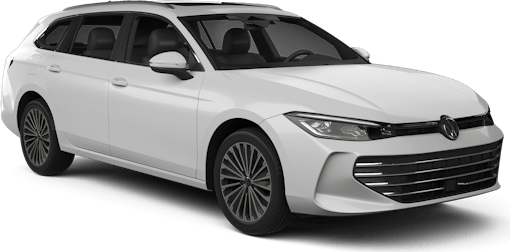
-
Easirent From€ 23 /day
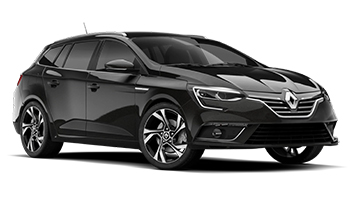
-
Sixt From€ 33 /day -
Flizzr From€ 34 /day
-
Alamo From€ 64 /day -
Enterprise From€ 64 /day -
Hertz From€ 108 /day
-
Enterprise From€ 71 /day -
Alamo From€ 78 /day
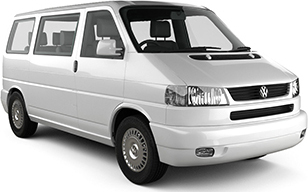
-
Flizzr From€ 101 /day -
Sixt From€ 101 /day
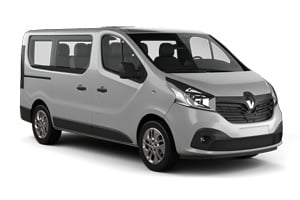
-
Sixt From€ 103 /day -
Flizzr From€ 109 /day

-
Sixt From€ 107 /day -
Flizzr From€ 114 /day
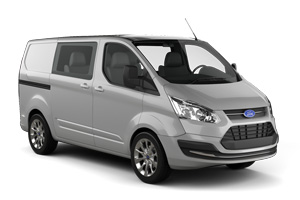
-
Dollar Rent a Car From€ 111 /day -
Hertz From€ 118 /day -
Thrifty From€ 177 /day
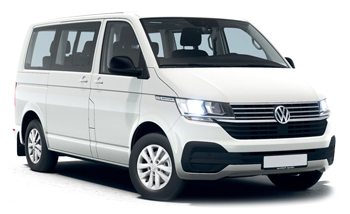
-
Sixt From€ 133 /day
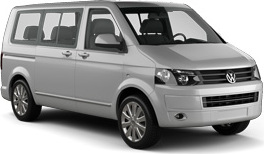
-
Avis From€ 112 /day
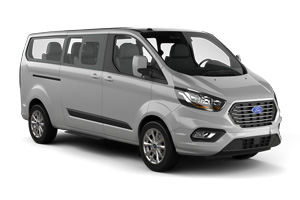
-
Avis From€ 127 /day -
Payless Car Rental From€ 166 /day -
Budget From€ 166 /day
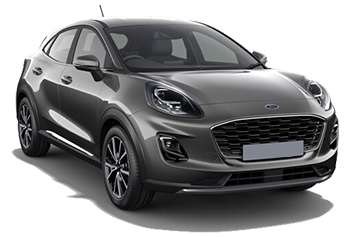
-
Easirent From€ 11 /day -
Hertz From€ 18 /day -
Dollar Rent a Car From€ 19 /day
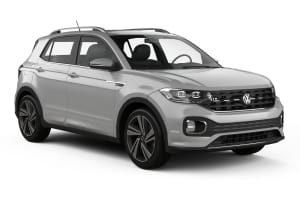
-
Carhire From€ 12 /day -
Payless Car Rental From€ 15 /day -
Sixt From€ 17 /day
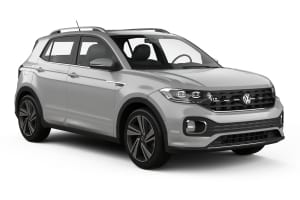
-
Carhire From€ 23 /day -
Sixt From€ 24 /day -
Flizzr From€ 24 /day

-
Carhire From€ 13 /day -
Dollar Rent a Car From€ 16 /day -
Europcar From€ 18 /day

-
Budget From€ 15 /day -
Payless Car Rental From€ 15 /day -
Thrifty From€ 16 /day
-
Carhire From€ 24 /day -
Europcar From€ 28 /day
-
Carhire From€ 17 /day -
Keddy By Europcar From€ 22 /day -
Flizzr From€ 22 /day

-
Flizzr From€ 18 /day -
Sixt From€ 18 /day
-
Budget From€ 25 /day
Car rental companies in Dublin
Below are the car rental companies in Dublin with the best ratings. Compare all ratings and prices of these rental companies in one search.
-
Enterprise
From€ 23 / day -
Flizzr
From€ 13 / day -
Alamo
From€ 16 / day -
Sixt
From€ 11 / day -
National Car Rental
From€ 28 / day -
Keddy By Europcar
From€ 11 / day
Useful tips for a well-prepared trip
Which insurance should I choose, and what's the deal with the deposit? Read our articles with useful information and tips to ensure you choose the right rental car for you.



Car rental companies in and around Dublin
If you are looking for a rental car in Ireland, but in a city other than Dublin, please click through to the Car rental Ireland page, where you can choose in which city in Ireland you want to rent a car.
Location information for Dublin
Introduction
The special thing about the historical center of Dublin is that there is nothing that can be called the most beautiful. There is a friendly atmosphere. What is characteristic is that it evokes an image of a city (center) with a history that has known troubles and prosperity, consolidation and expansion. Outside the city center there are many modern neighborhoods, Gregorian houses and office buildings.
Population
Dublin is the capital of Ireland and has a little more than 1.1 million inhabitants. This also makes it Ireland's biggest city. Like the population of Ireland, the population of Dublin is made up of English and Celts.
Location
Dublin lies in the middle of the east coast of Ireland. The river Liffey flows through the heart of the city and flows into Dublin Bay. The people of Dublin have always had a weak spot for this muddy yet splendid river.
Economy
Ireland has the fastest growing economy in the European Union. Dublin was and is the engine of this economic growth. The most important sectors in the economy are software, electronics, financial services and tourism. Businesses are concentrated mostly in the suburbs of Dublin, where the offices are located.
The reason the economy of Dublin is growing so fast is that it provides cheap labor and low business taxes. This attracts many international companies, which in turn generate growth and prosperity.
Tourism is also very important to Dublin. Every year, the city attracts millions of tourists. This has to do with, among other things, the pubs, Guinness, Iris music, atmosphere, Gregorian buildings, parks, castles and universities.
Airports
Ireland has three international airports, of which Dublin Airport is the most important one. Flights from many places in Europe land here, as well as, of course, domestic flights. In addition, there are also transcontinental flights that land at Dublin Airport, including low costs carriers.
Public transport
If you do not have a rental car at your disposal, travelling by public transport is easy. Dublin Bus offers its services within the city, and it will take you to many places. Especially for rush hour, Xpresso, a bus service provided by Dublin Bus which offers fast and direct lines to important (business) location in the city, was created. Airlink is a regular service between Dublin Airport and, among other places, the city center. Nitelink is a special nightly bus service to, among other places, the suburbs of Dublin. Raillink offers a bus connection between Dublin's most important train stations. By Eireann bus you can travel from Dublin to various places nearby, as well as to many other cities throughout Ireland. LUAS is the tram that operates in Dublin. It has been operational since 2004. LUAS connects Dublin's suburbs to the city center. It operates two lines: a Green Line and a Red Line. From Dublin, you can also move deeper into Ireland by train.
Traffic and Parking
First of all, it is important to remember that the people drive on the left side of the road in Ireland. The cars in Ireland have the steering wheel on the right side of the car, and the fear shift to the left of the driver. The maximum speed in inhabited areas is 48 kilometers (30 miles), in rural areas it is 96 km/h (60 miles), and on motorways the speed limit is 112 kilometers per hour (70 miles). Driving in Dublin isn't very difficult: it is not too busy, the tricky part is driving on the left. Dublin is surrounded by the M50 Circular Road, with exits to Dublin or to other cities. Cars are parked on the left side of the road. Remember that in Dublin parking is not free.
Hotels
Dublin has all the hotel classes that an international cities is expected to have. It is always advisable to book in advance. When the tourists have left, the business people arrive, and vice versa.
External Sources
For more information about Dublin, we recommend Google, and the following resources:
Important up-to-date information for renting a car in Dublin
| 🚙 Number of rental agencies | 21 |
| ⭐ Most popular car rental agency | Budget |
| 💰 Cheapest car rental company | Carhire |
| 🏆 Best rated car rental agency | Enterprise |
Practical information
-
CurrencyEuro
-
Driving directionLeft
-
City speed limit50 km/h
-
Freeway speed limit100 km/h
-
LanguageEnglish, Irish
-
Popular car categoryCompact
What most people want to know
The following questions and answers are a selection of the most popular questions. If you do not find the answer to your question, have a look at the Frequently Asked Questions page or contact us.
- Enterprise
- Flizzr
- Alamo
- Sixt
- National Car Rental
- Keddy By Europcar
- Budget
- Europcar
- Dollar Rent a Car
- Thrifty
- Carhire
- Payless Car Rental
- Hertz
- Avis
- Easirent
- Irish Car Rentals
- Your Rent
- Apollo Car Rental
- Celtic Motorhomes
- McRent
- Advantage Rent a Car