
- Online car rental since 2005
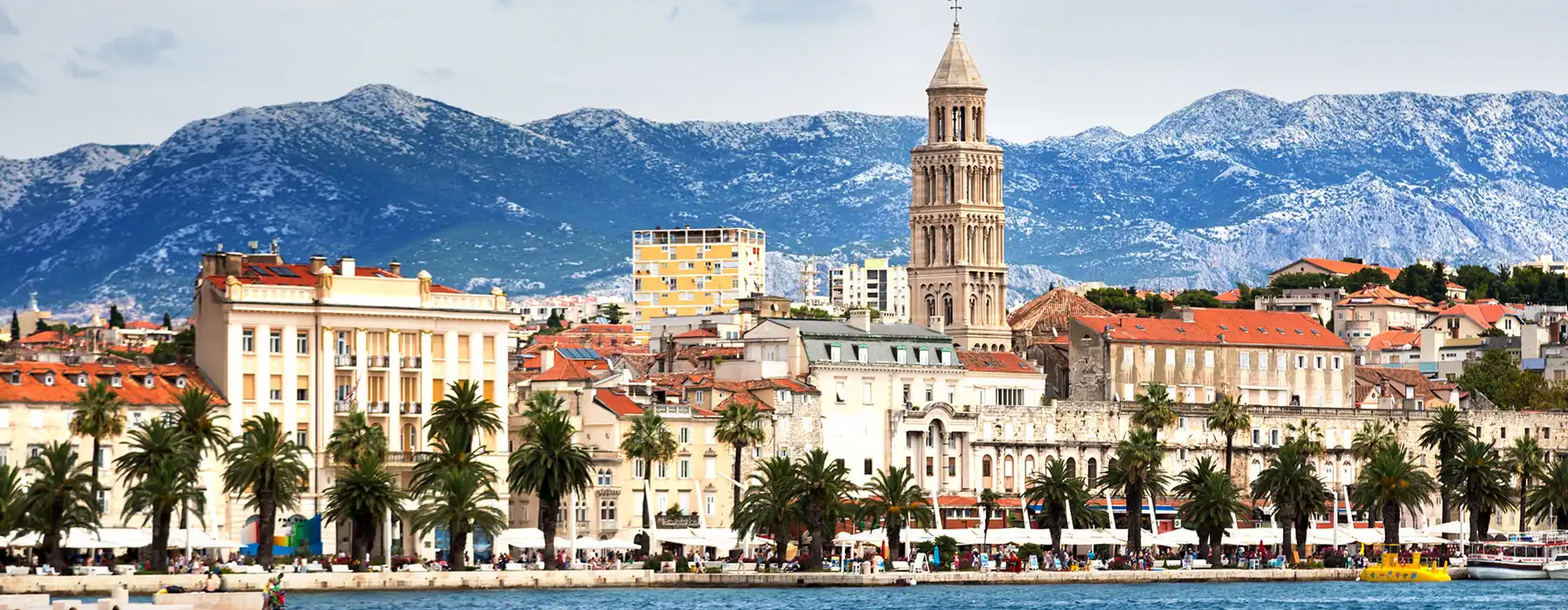
Car Rental Croatia
Save time and money. We compare the offers of car rental companies in Croatia on your behalf.
- Free cancellation Up to 48 hours prior to the scheduled pick up time
- Best price guarantee Have you found a better price? Let us know and we will make you a better offer.
- 24000+ pick-up locations Locations around the world

Car Rental Croatia
EasyTerra Car Rental Croatia is an independent car rental comparison site. Our system compares prices from well-known car rental companies so as a customer you can always reserve your car through us at a competitive rate.
Car rental offers in Croatia
Whether you're looking for a small rental car or a station wagon for the entire family, we will always have a suitable vehicle for the lowest price. Below are some examples from our selection in Croatia.
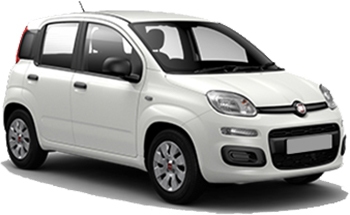
-
SurPrice car rentals From€ 3 /day -
Goldcar From€ 4 /day -
Payless Car Rental From€ 5 /day
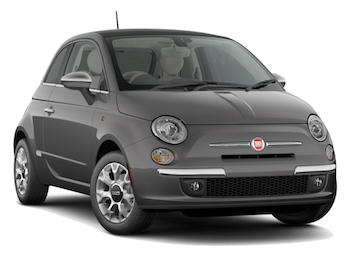
-
Green Motion From€ 3 /day -
OK Mobility From€ 4 /day -
Carwiz rent a car From€ 5 /day
-
SurPrice car rentals From€ 6 /day -
Carwiz rent a car From€ 10 /day -
Alamo From€ 10 /day
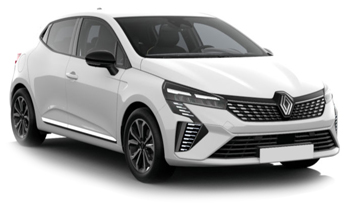
-
Green Motion From€ 3 /day
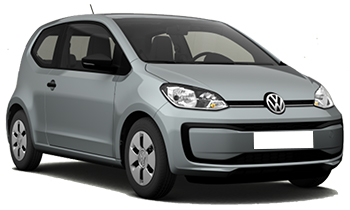
-
Green Motion From€ 3 /day -
SurPrice car rentals From€ 3 /day -
Autounion Car Rental From€ 5 /day
-
SurPrice car rentals From€ 6 /day -
Green Motion From€ 7 /day -
Autounion Car Rental From€ 8 /day
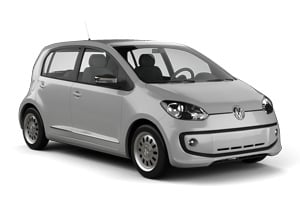
-
Green Motion From€ 4 /day -
SurPrice car rentals From€ 4 /day -
Autounion Car Rental From€ 6 /day
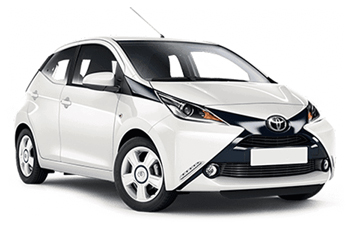
-
OK Mobility From€ 4 /day -
Garage No1 From€ 12 /day -
FireFly Car Rental From€ 14 /day
-
Green Motion From€ 7 /day -
Carwiz rent a car From€ 9 /day -
Enterprise From€ 14 /day
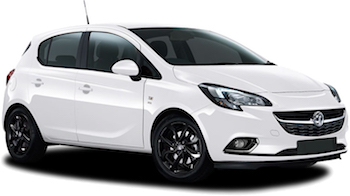
-
SurPrice car rentals From€ 3 /day -
Green Motion From€ 4 /day -
Goldcar From€ 4 /day
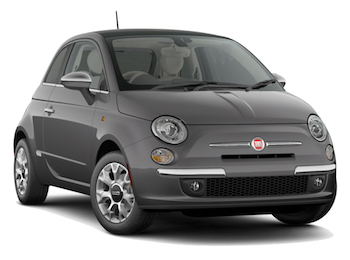
-
Green Motion From€ 4 /day
-
SurPrice car rentals From€ 6 /day -
Autounion Car Rental From€ 9 /day -
Avant Car From€ 9 /day
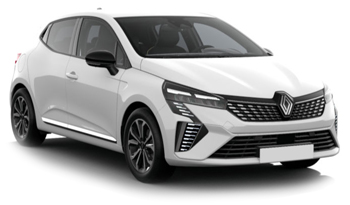
-
Green Motion From€ 4 /day -
Goldcar From€ 4 /day -
SurPrice car rentals From€ 4 /day
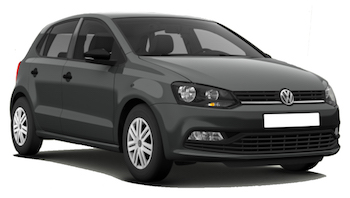
-
Green Motion From€ 4 /day -
Autounion Car Rental From€ 5 /day -
Avant Car From€ 6 /day
-
Green Motion From€ 7 /day -
Autounion Car Rental From€ 9 /day -
Avis From€ 12 /day
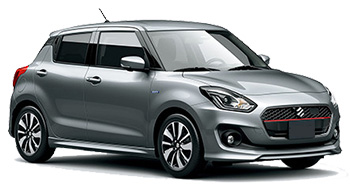
-
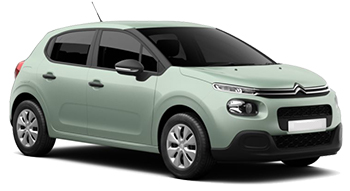
addCarRental From€ 4 /day -
ABC Rent a car From€ 6 /day
-
Goldcar From€ 4 /day -
OK Mobility From€ 5 /day -
Alamo From€ 10 /day
-
SurPrice car rentals From€ 8 /day -
Carwiz rent a car From€ 10 /day -
Green Motion From€ 10 /day

-
addCarRental From€ 4 /day -
Payless Car Rental From€ 13 /day -
Alamo From€ 21 /day
-
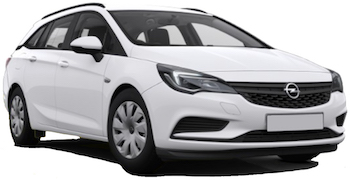
Green Motion From€ 5 /day -
Autounion Car Rental From€ 7 /day -
Carwiz rent a car From€ 8 /day
-
Green Motion From€ 8 /day -
Autounion Car Rental From€ 10 /day -
Avant Car From€ 11 /day
-
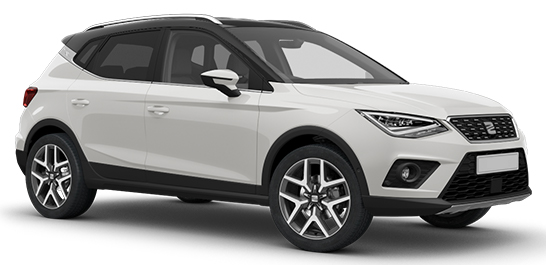
Green Motion From€ 5 /day -
FireFly Car Rental From€ 23 /day -
Hertz From€ 27 /day
-
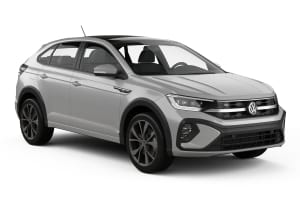
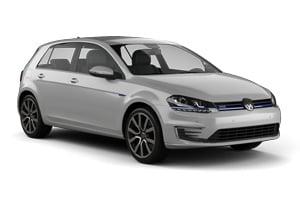
Green Motion From€ 5 /day -
Goldcar From€ 7 /day -
Payless Car Rental From€ 11 /day
-
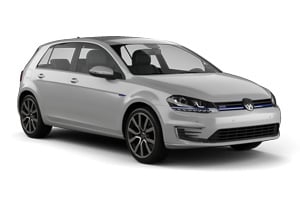
Green Motion From€ 8 /day -
Avis From€ 14 /day -
Budget From€ 14 /day
-
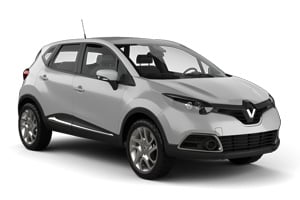
Green Motion From€ 5 /day -
Avant Car From€ 8 /day -
Carwiz rent a car From€ 10 /day
-
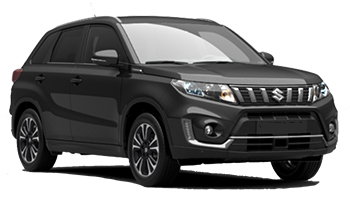
SurPrice car rentals From€ 5 /day -
OK Mobility From€ 6 /day -
Carwiz rent a car From€ 8 /day
-
Green Motion From€ 8 /day -
Alamo From€ 13 /day -
Enterprise From€ 14 /day
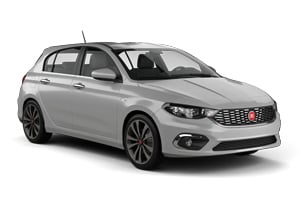
-
Goldcar From€ 6 /day
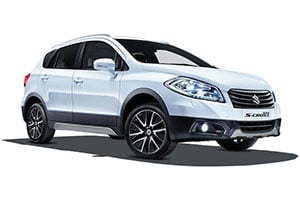
-
addCarRental From€ 6 /day -
ABC Rent a car From€ 7 /day
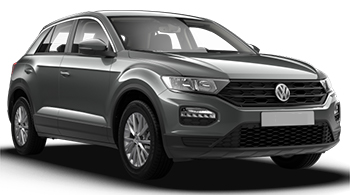
-
Avant Car From€ 11 /day -
Keddy By Europcar From€ 36 /day -
Europcar From€ 39 /day
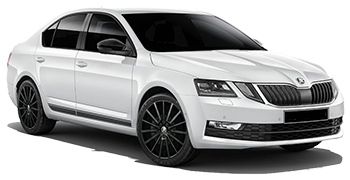
-
Green Motion From€ 7 /day -
Sicily by Car From€ 14 /day -
Payless Car Rental From€ 15 /day
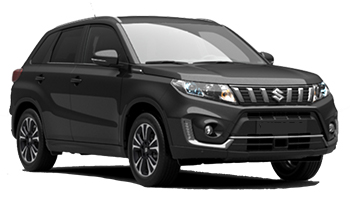
-
Green Motion From€ 8 /day -
ABC Rent a car From€ 14 /day -
Right Cars From€ 15 /day

-
Sicily by Car From€ 11 /day
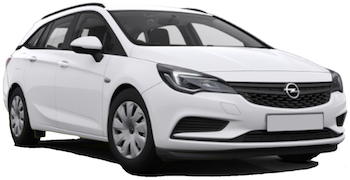
-
SurPrice car rentals From€ 9 /day
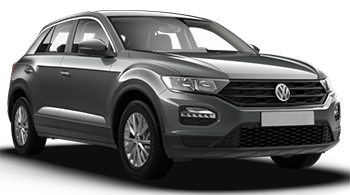
-
Avant Car From€ 10 /day -
Carwiz rent a car From€ 12 /day -
Keddy By Europcar From€ 28 /day
-
Green Motion From€ 12 /day -
Sicily by Car From€ 16 /day -
SurPrice car rentals From€ 19 /day
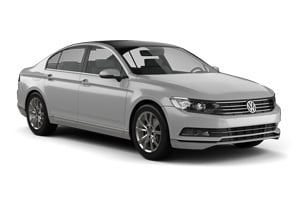
-
Green Motion From€ 13 /day -
Avant Car From€ 26 /day -
Carwiz rent a car From€ 34 /day
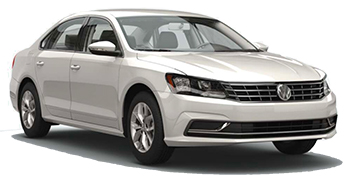
-
Green Motion From€ 14 /day -
Avant Car From€ 27 /day -
Carwiz rent a car From€ 42 /day
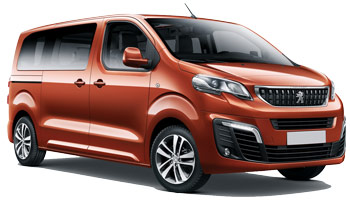
-
OK Mobility From€ 16 /day
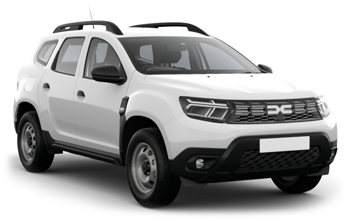
-
Sicily by Car From€ 17 /day
-
Sicily by Car From€ 17 /day
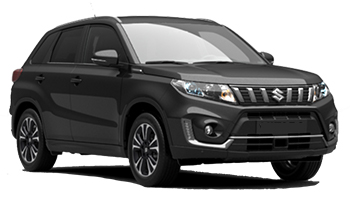
-
Sicily by Car From€ 17 /day
-
Sicily by Car From€ 17 /day
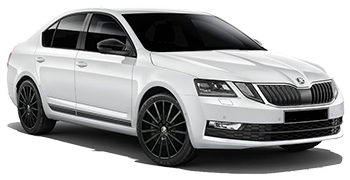
-
Sicily by Car From€ 17 /day -
Avant Car From€ 26 /day -
Carwiz rent a car From€ 26 /day
-
Sicily by Car From€ 19 /day -
Carwiz rent a car From€ 27 /day -
Avant Car From€ 27 /day
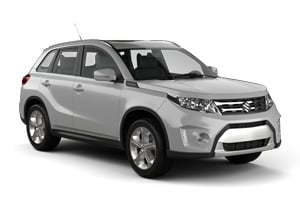
-
addCarRental From€ 10 /day
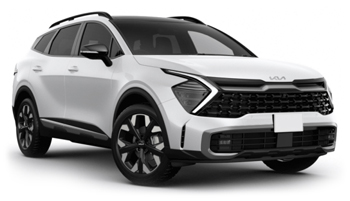
-
Sicily by Car From€ 13 /day -
Right Cars From€ 64 /day
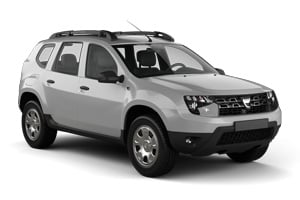
-
SurPrice car rentals From€ 14 /day
-
SurPrice car rentals From€ 14 /day
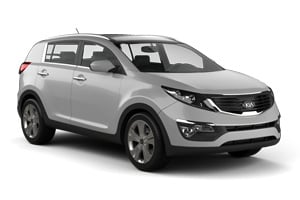
-
Sicily by Car From€ 14 /day
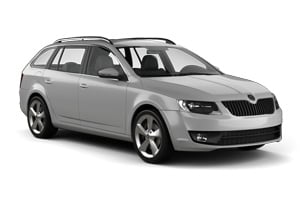
-
Green Motion From€ 23 /day
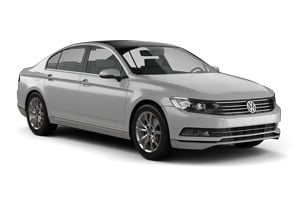
-
Green Motion From€ 25 /day
-
Green Motion From€ 24 /day
-
Green Motion From€ 25 /day
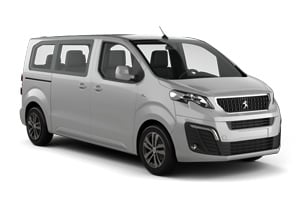
-
OK Mobility From€ 28 /day
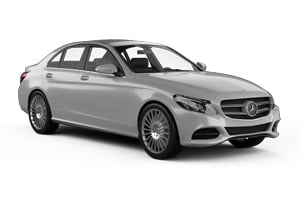
-
SurPrice car rentals From€ 30 /day -
Green Motion From€ 35 /day -
Carwiz rent a car From€ 38 /day
-
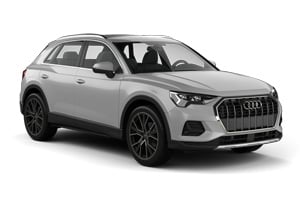
SurPrice car rentals From€ 33 /day -
Green Motion From€ 39 /day -
Sixt From€ 48 /day
-
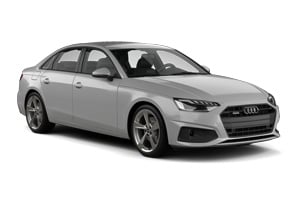
Avis From€ 30 /day
-
Green Motion From€ 35 /day -
Avant Car From€ 42 /day -
Avis From€ 158 /day
-
Green Motion From€ 35 /day -
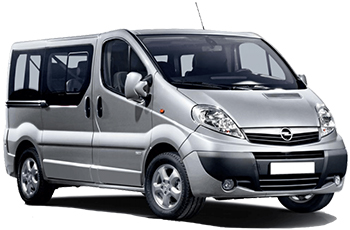
Avant Car From€ 36 /day -
Avis From€ 150 /day
-
Green Motion From€ 35 /day
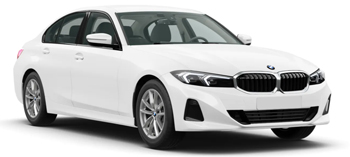
-
Green Motion From€ 35 /day
-
Avis From€ 37 /day
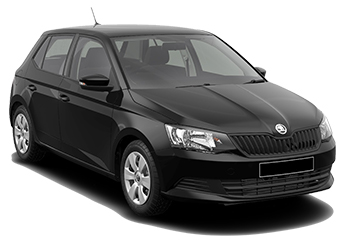
-
Green Motion From€ 6 /day -
Europcar From€ 28 /day
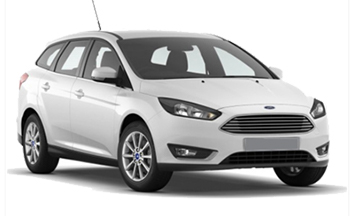
-
Green Motion From€ 7 /day -
Flizzr From€ 22 /day -
Sixt From€ 23 /day
-
Green Motion From€ 11 /day
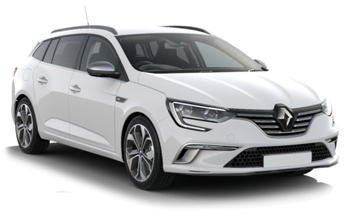
-
OK Mobility From€ 8 /day -
Alamo From€ 13 /day -
Enterprise From€ 16 /day
-
SurPrice car rentals From€ 9 /day -
OK Mobility From€ 10 /day -
Autounion Car Rental From€ 12 /day
-
Green Motion From€ 12 /day -
Flizzr From€ 25 /day -
Sixt From€ 31 /day
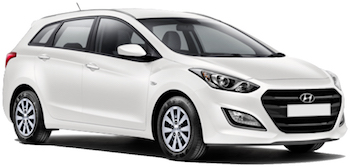
-
Sicily by Car From€ 9 /day -
Keddy By Europcar From€ 26 /day -
Europcar From€ 28 /day
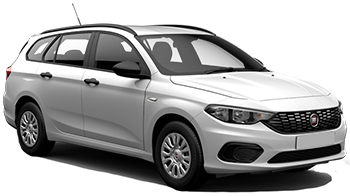
-
addCarRental From€ 9 /day -
Payless Car Rental From€ 13 /day
-
Sicily by Car From€ 12 /day -
Keddy By Europcar From€ 31 /day -
Europcar From€ 34 /day
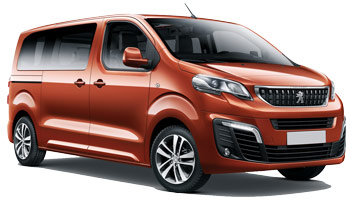
-
OK Mobility From€ 16 /day -
Keddy By Europcar From€ 71 /day -
Europcar From€ 80 /day
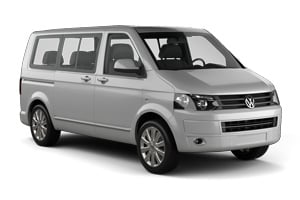
-
Green Motion From€ 26 /day -
Avant Car From€ 39 /day
-
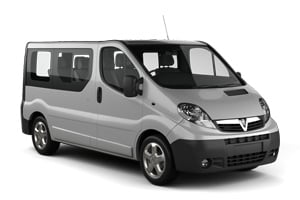
SurPrice car rentals From€ 33 /day -
Green Motion From€ 35 /day -
Flizzr From€ 47 /day
-
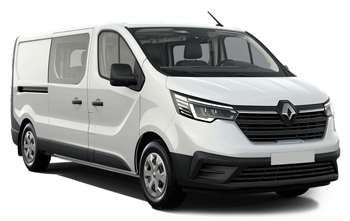
SurPrice car rentals From€ 29 /day -
Green Motion From€ 35 /day -
Flizzr From€ 44 /day
-
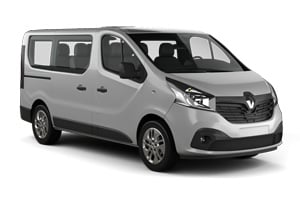
Sicily by Car From€ 32 /day -
Carwiz rent a car From€ 44 /day -
Autounion Car Rental From€ 46 /day
-
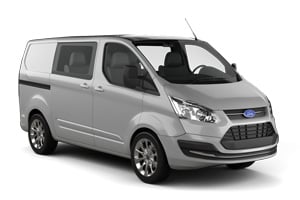
Sicily by Car From€ 35 /day -
Autounion Car Rental From€ 46 /day -
Alamo From€ 94 /day
-
Avant Car From€ 43 /day -
Green Motion From€ 62 /day
-
Carwiz rent a car From€ 37 /day -
Autounion Car Rental From€ 49 /day -
Alamo From€ 50 /day
-
Budget From€ 41 /day -
Avis From€ 52 /day -
Unirent Car Rental From€ 99 /day
-
OK Mobility From€ 8 /day
-
OK Mobility From€ 10 /day
-
Active Car Rental From€ 200 /day
-
Active Car Rental From€ 192 /day
-
Active Car Rental From€ 348 /day
-
Green Motion From€ 5 /day -
addCarRental From€ 9 /day -
Alamo From€ 13 /day
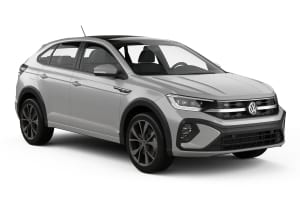
-
Green Motion From€ 5 /day -
Avis From€ 9 /day -
Goldcar From€ 9 /day
-
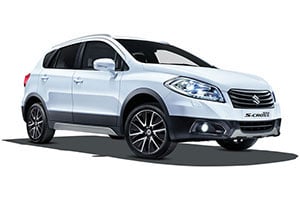
Green Motion From€ 11 /day -
Avis From€ 15 /day -
Goldcar From€ 22 /day
-
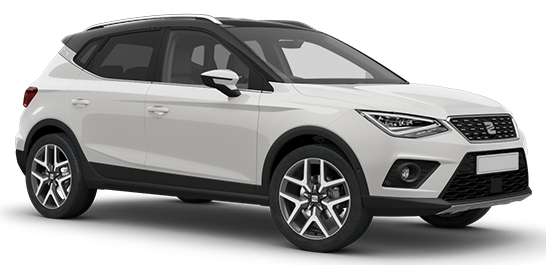
addCarRental From€ 6 /day
-
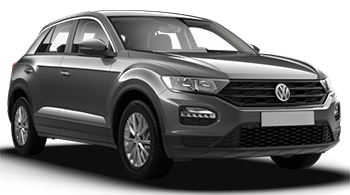
Green Motion From€ 7 /day -
FireFly Car Rental From€ 24 /day -
Hertz From€ 28 /day
-
Avant Car From€ 11 /day -
Budget From€ 14 /day -
Keddy By Europcar From€ 36 /day
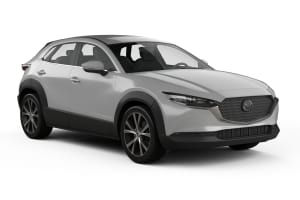
-
Payless Car Rental From€ 7 /day
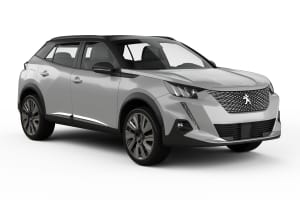
-
OK Mobility From€ 8 /day -
Avant Car From€ 9 /day -
Goldcar From€ 14 /day
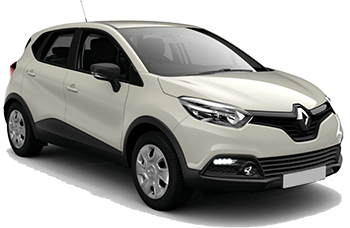
-
Sicily by Car From€ 11 /day -
Avant Car From€ 16 /day -
SurPrice car rentals From€ 17 /day

-
Keddy By Europcar From€ 33 /day -
Europcar From€ 35 /day

-
Europcar From€ 36 /day
-
Keddy By Europcar From€ 38 /day -
Europcar From€ 41 /day

-
Keddy By Europcar From€ 39 /day -
Europcar From€ 42 /day
-
Keddy By Europcar From€ 45 /day -
Europcar From€ 48 /day
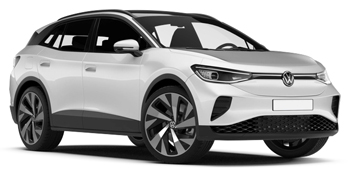
-
Sicily by Car From€ 46 /day
-
Sicily by Car From€ 49 /day
-
Thrifty From€ 70 /day
-
Sicily by Car From€ 75 /day
Popular cities in Croatia


Useful tips for a well-prepared trip
Which insurance should I choose, and what's the deal with the deposit? Read our articles with useful information and tips to ensure you choose the right rental car for you.

Location information for Croatia
Croatia is best explored by rental car. EasyTerra Car Rental has over 53 pick-up locations in Croatia. This means there is always a pick-up location close to your destination.
Most popular car hire locations in Croatia
Introduction
At the Adriatic Sea, in the southeast of Europe, lies the varied country Croatia. The capital of Croatia is Zagreb. The city has close to one million inhabitants and lies in the north of the country bordering on Slovenia.
The country is a popular tourist destination and for good reasons. The Adriatic Sea has crystal-clear water, many intact islands off the coast and lovely villages along the waterside. In small fishing villages one can enjoy the scenery, while tasting the fresh catch of the day. For centuries Croatians have practiced their winegrowing skills. Visitors can enjoy the opportunity to taste the many different varieties. Croatia's rich past can be found in cities like Pula, Split and Dubrovnik. Those who venture outside the city and into the inland may marvel on the scenic beauty in one of the National Parks of Croatia.
The climate is very pleasant from spring to autumn, which gives many visitors the opportunity to explore this Balkan country.
History
In 229 BC the Romans founded a colony close to Split in Dalmatia. The emperor Augustus then continued to expand his empire. In 285 AD Emperor Diocletian resided in his palace in Split. Today, this is still the largest Roman ruin in Eastern Europe.
Thereupon, in 395 AD when the empire was split into present day's Slovenia, Croatia and Bosnia and Herzegovina, these were drawn to the Western Roman Empire, while present day's Serbia, Kosovo and Macedonia belonged to the Byzantine Empire from then on.
Slavic tribes, originating from today's Ukraine, migrated to Poland in the seventh century and expanded their power from there to Croatia. In the ninth century this region was Christianized. Simultaneously, the northern part of the region came under Frankish rule and the southern part became part of Byzantium. In 925 the Dalmatian duke Tomislav ensured a period of peace, merging the northern and southern part in one kingdom. Prosperity would last for two hundred years. At the end of the eleventh century the kingdom declined and was split again. The northern part joined Hungary to protect itself from the Byzantine Empire.
However, it was of no avail. In 1242 a Tartar invasion destroyed the Hungarian-Croatian kingdom. Then, in the fourteenth century the Turks invaded the Balkans and defeated the Serbs in 1389 and the Hungarians in 1526. Northern Croatia sought protection from the House of Habsburg, who ruled Austria. Till 1918 this part of Croatia stayed part of the Habsburgian state. After the defeat of the Habsburgians in World War I, the Croatians joined the Serbian, Croatian and Slovenian kingdom. In 1929 this kingdom was given the name Yugoslavia. Its capital became Belgrade, to the great annoyance of the Croatians. From 1918 till 1943 Italy possessed a large part of Dalmatia.
In 1941 Germany invaded Yugoslavia. A fascist regime was implemented in Croatia and Bosnia and Herzegovina. This resulted in the cruel murder of ethnic Serbians, Jews and Roma. Josip Broz, who had originated from a Croatian-Slovenian country marriage, led a partisan's army as Marsal Tito. Later, after the war, Tito became Prime Minister of the Yugoslavian Federation. Five states were formed: Croatia, Serbia, Slovenia, Bosnia and Herzegovina and Macedonia. The federal state had a communist character, but Croatia and Slovenia surpassed their confederates economically as well as intellectually.
When Tito passed away in 1980, the country suffered from an economic crisis though. The deteriorated economic circumstances led to tensions among the various ethnic groups. The tension came to a head with the Serbian leader Slobodan Milosevic. In 1991 the Croatians and Slovenians declared themselves independent. This would lead to the Croatian War of Independence. The old Yugoslavia didn't recognize the new countries, until Germany and a lot of other countries with it, recognized the new states. The first Croatian president was DR. Franjo Tudjman. In 1992 he took the rule over the country. Some fifteen thousand Serbians fled the area. Eventually the Dayton Agreement was signed in Paris. With it, the traditional borders of Croatia were recognized and the occupied part of Slovenia had to be given back. Under the aegis of the UN the remaining Serbian controlled region was absorbed in the new Croatia. In 1998 all items of the Dayton Agreement were realized.
Since 2005 Croatia has been trying to join the European Union. In 2010 the country acceded the organization.
Society and culture
Around 4.5 million people live in Croatia. The majority, approximately ninety percent, of the population is Croat. Besides them, there are other minorities in the country, among which Serbians. Most Serbians live in the east. Other minorities living in Croatia are Bosnians, Italians, Hungarians and Slovenians.
Though Croatians in general are not wealthy, they give a lot of attention to their looks and the appearance of streets and buildings. The general manner of the people is relaxed. Croats do not see a lot of problems.
In the cultural heritage of Croatia one can find traces of the Roman and Ottoman period as well as the Austrian-Hungarian era.
Ever since the decline of communism the churches are crowded again. Most of the Croatians are Roman-Catholic. Almost all Serbians on the other hand, are Eastern Orthodox. Over one percent of the population is Muslim. Less than one percent of the Croats is Protestant. In the capital lives a small group of Jews.
The language spoken in Croatia is Croatian. This is a southern Slavic dialect, like Slovenian, the Macedonian and the Bulgarian languages are. Croats call their country Hrvatska. The influence of tourism and the many immigrant workers made German the second language for many elder people. In Istria people sometimes speak Italian. The younger generation of Croatians concentrates on English.
Political situation
Croatia has a parliamentary democracy since the new constitution of 1990. The first president was Franjo Tudjman. The president is the head of state. Every five years a new president is chosen. The current president is Stjepan Mesic. The Croatian parliament is called Sabor. It has a unicameral legislature. The representatives are chosen for a period of four years. The head of the Croatian government (Vlada) is the prime minister. Presently, this is Ivo Sanader.
To relieve Croatia from its isolated position, the government decided to cooperate with the Yugoslavia Tribune in The Hague. Besides this, the return of Serbians is precipitated and the rights of minorities are expanded.
Economy
The major part of the Croatian economy revolves around the services sector. Tourism is a major source of income for many Croats. Besides this, there is a light form of industry. The country is not rich, though it has a stable market economy. Croatia is still dragging along its communist history. Many Croatians have seen their standard of living drop since their independence. The unemployment rate is very high. Croatia has the intention to join the European Union in the foreseeable future.
Momentarily the currency in Croatia is the Kuna.
Geography and climate
Croatia has a fascinating boomerang-like shape. The country counts 56.538 square kilometers and is divided into twenty provinces. Because of its form it has a very long border. Croatia is as big as half of former Yugoslavia. Slovenia, Hungary, Serbia, Bosnia and Herzegovina, Montenegro and the Adriatic Sea surround Croatia. On the other side of the sea lies Italy. The Danube and the rivers Drava and Sava are the most important rivers flowing through the country. Between them lies the Pannonian Basin. This region stretches across the border of Croatia. The southeastern European plateau came into existence after the Pannonian Sea fell dry, long ago during the Pliocene.
Alongside the Adriatic coast are the densely forested Dinaric Alps, with the Dinara as their highest peak at 1.913 meters. The mountain range is made of karst and limestone in which many caves were formed. Because of the sparse soil, there is little cover on the mountains. The beaches along the sea are also rocky. Tourists should not expect sandy beaches in Croatia. The stones and pebbles cover the ground till in the sparkling clear seawater.
The most famous and tourist place is the peninsula of Istria in the Croatian province of the same name. Along the coast lie the Dalmatian islands. Krk and Cres are the largest ones. In total there are 101 islands. Most of them are uninhabited. On Mljet and Korcula you will find national parks with magnificent forests. The whole of Croatia is woody; approximately one third of the country consists of woods.
In the interior the landscape gets hillier with lakes and meadows. On the islands as well as in the interior there are many national parks. One of them is the park of the Plitvice lakes. In the region are sixteen lakes with around ninety waterfalls between them. The national park with its clear blue lakes and remarkable flora and fauna rightfully owns its place on the World Heritage List of UNESCO.
Along the coast the climate is Mediterranean. The summers start early and are hot and dry. Autumn arrives late. During winter the temperature on the Adriatic coast is mild and the weather is rainy. Because of the warm gulf stream even in winter the temperature of the seawater will not drop below ten degrees Celsius. In summer the water can get around 26 degrees. In spring and at the start of summer the Mistral blows in Croatia. This wind keeps the temperature pleasant, but the Mistral can also become strong.
In the interior, behind the mountains the climate is continental. Here the summers are hot and dry and winters are cold.
Traffic and infrastructure
Inside the built-up area the speed limit is 50 km/h. Outside this area the limit is 80 km/h. On freeways the limit is 130 km/h. On several roads in Croatia (for example around Zagreb) toll needs to be paid.
Traveling by train is even cheaper than by bus. Trains go slower though. In Croatia one may choose from three sorts of trains. Poslovni are express trains. Brzi or ubrazni are fast trains and putnicki are local trains. Local trains often only have a second class. The word for arrival is dolozak and the word for departure is odlazak.
One of the most comfortable means of transport is the bus. Several companies offer their services. At large stations one can buy tickets at the ticket office. When possible, it is wise to book a seat. Local buses also drive in the bigger cities. In Zagreb there are trams.
Ferries go from Bari to Rijeka and Dubrovnik year round. Along the way the boats stop at places like Zadar and Split. The islands Hvar, Korcula and Mljet are also visited, but less frequently in winter. It is very pleasant to travel by boat. There are also ferries connecting the islands further off shore to each other and the main land.
From Zagreb Pleso Airport Croatia Airlines flies to many destinations in Europe. In summer there are also flights from Dubrovnik Airport and the airport of Pula to some European cities. There are daily domestic flights to the airports of Zagreb, Dubrovnik, Split, Pula and Zadar.
Food and drink
In Croatia one can eat in a restauracija or a gostionica. Along the coast delicious fish and shrimps are served. Dalmatian brodet is a dish made of various kinds of steamed fish accompanied with rice. Salted sardines are also a typical Croatian delicacy. In the interior some of the dishes are manistra od bobica: beans with corn soup, and strukli: cooked cheesecake. Grilled meat is one of the famous dishes. Pasta's and pizza's are also well prepared in Istria and Dalmatia. From Dalmatia originates the smoked ham. Besides this you can taste the typical Croatian salami with its special pepper flavor. Croatians are also excellent producers of sheep's cheese.
Aperitifs are often served before dinner. In Croatia several kinds of aperitifs are produced. Slivovica is a brandy made of prunes and travarica is a variant made of various herbs. Croat' cognac (vinjak) and several liquors are some of many options. Maraschino for example is a typical cherry liquor from Zadar. Croatians also produce delicious wines and therefore these are worth trying. Those who love beer can taste Zagreb's Ozujsko pivo or Karlovacko from Karlovac.
Time zone
Croatian time is GMT/UTC +1. In summer the time is set forward to GMT/UTC +2.
Accommodation
Hotels in Croatia are classified by a five star system. The most luxurious hotels are given five stars. Many of the older hotels are located in impersonal buildings. However, nowadays there are new hotels that have a much more characteristic and unique interior and atmosphere.
The Croatian organization YHA owns hostels in cities such as Zagreb, Dubrovnik, Zadar and Pula.
Tourists can also find a spot on one of the many camp sites along the coast. Most of them are opened from mid-May till the end of September. Not all of them are cozy and quiet. To find a really pleasant camp site, it may take some time. Croatia presents itself as the cradle of nude camping. Naturist camp sites are some of the most beautiful camp sites because of their shielded locations and peace.
A good alternative is to spend the night in a room at a private house. Here too the five star classification system is used.
External sources
For more information about Croatia we recommend Google and the following sources:
Practical information
-
CurrencyCroatian kuna
-
Driving directionRight
-
City speed limit50 km/h
-
Freeway speed limit90 km/h
-
LanguageCroatian
-
Popular car categoryEconomy
What most people want to know
The following questions and answers are a selection of the most popular questions. If you do not find the answer to your question, have a look at the Frequently Asked Questions page or contact us.
- Unirent Car Rental
- Enterprise
- Alamo
- Goldcar
- Sixt
- Avant Car
- Garage No1
- Hertz
- Active Car Rental
- Flizzr
- Avis
- Sicily by Car
- Last Minute
- Thrifty
- Green Motion
- Europcar
- Keddy By Europcar
- Carwiz rent a car
- Autounion Car Rental
- FireFly Car Rental
- Street Rent a Car
- Fleet Rent a car
- Air Rent a Car
- SurPrice car rentals
- Budget
- Global Rent a Car
- Payless Car Rental
- ABC Rent a car
- OK Mobility
- United rent a car
- NÜ Car Rentals
- addCarRental
- Right Cars
- MAXX RENT
- ORYX Rent A Car
- Trophy Rent a Car
- Your Rent
- Fast Mobility
- McRent
- Nur Rent a car
- Touring Cars
- Routes
- Goldcar Key'n Go
- InterRent
- National Car Rental
- Dollar Rent a Car