
- Online car rental since 2005
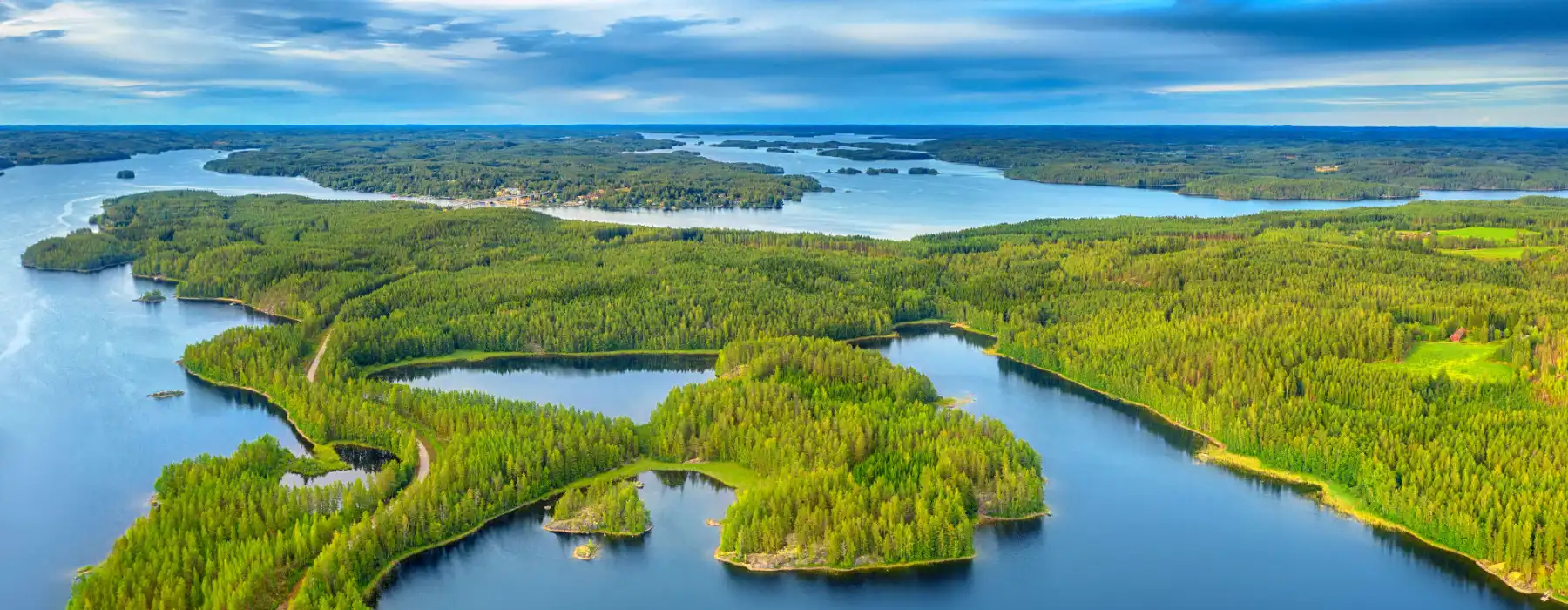
Car Rental Finland
Save time and money. We compare the offers of car rental companies in Finland on your behalf.
- Free cancellation Up to 48 hours prior to the scheduled pick-up time
- Best price guarantee Have you found a better price? Let us know and we will make you a better offer.
- 24000+ pick-up locations Locations around the world

Car Rental Finland
EasyTerra Car Rental Finland is an independent car rental comparison site. Our site compares prices from well-known car rental companies so that, as a customer, you can always reserve your car with us at a competitive rate.
Car rental offers in Finland
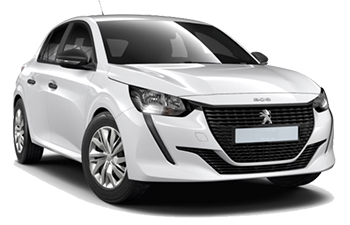
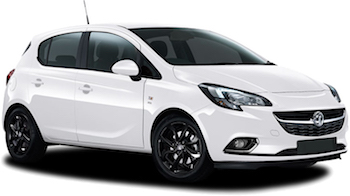
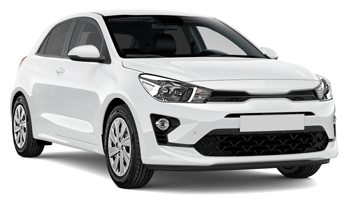
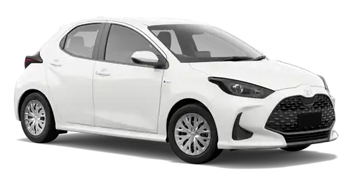
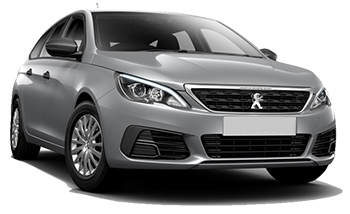
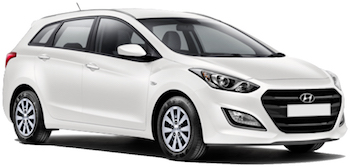
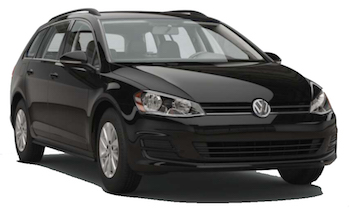
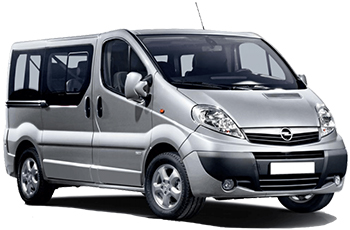
Whether you're looking for a small rental car or a station wagon for the entire family, we will always have a suitable vehicle at the lowest price. Below are some examples from our selection in Finland.
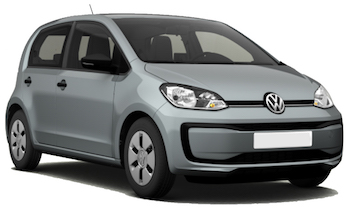
-
addCarRental From€ 23 /day -
Avis From€ 28 /day -
Budget From€ 29 /day
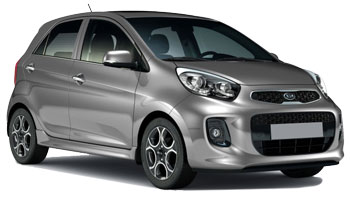
-
Autounion Car Rental From€ 23 /day
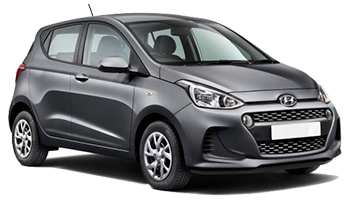
-
Thrifty From€ 28 /day
-
Sixt From€ 27 /day
-
Hertz From€ 32 /day -
Budget From€ 32 /day -
Thrifty From€ 45 /day
-
Thrifty From€ 28 /day
-
Budget From€ 29 /day -
Hertz From€ 30 /day -
Thrifty From€ 39 /day
-
Alamo From€ 32 /day -
Avis From€ 33 /day -
Hertz From€ 42 /day
-
Alamo From€ 29 /day -
Enterprise From€ 30 /day
-
addCarRental From€ 25 /day -
Autounion Car Rental From€ 27 /day -
Green Motion From€ 27 /day
-
Sixt From€ 25 /day -
Autounion Car Rental From€ 28 /day
-
Thrifty From€ 28 /day -
Alamo From€ 38 /day -
Enterprise From€ 40 /day
-
Autounion Car Rental From€ 26 /day
-
Autounion Car Rental From€ 27 /day -
Sixt From€ 28 /day -
Green Motion From€ 28 /day
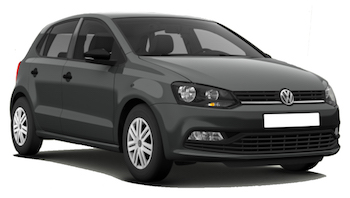
-
Green Motion From€ 30 /day -
Alamo From€ 32 /day -
Autounion Car Rental From€ 33 /day
-
Thrifty From€ 28 /day -
Alamo From€ 29 /day -
Enterprise From€ 31 /day
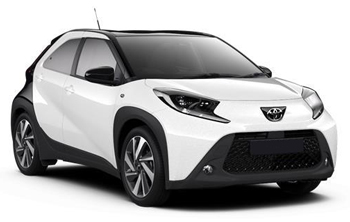
-
Sixt From€ 31 /day
-
Sixt From€ 29 /day
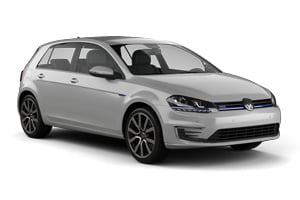
-
addCarRental From€ 24 /day -
Autounion Car Rental From€ 29 /day -
Budget From€ 30 /day
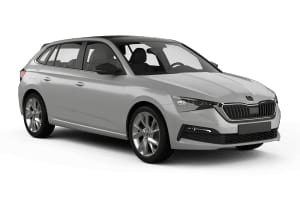
-
Budget From€ 27 /day -
Sixt From€ 34 /day -
Avis From€ 34 /day
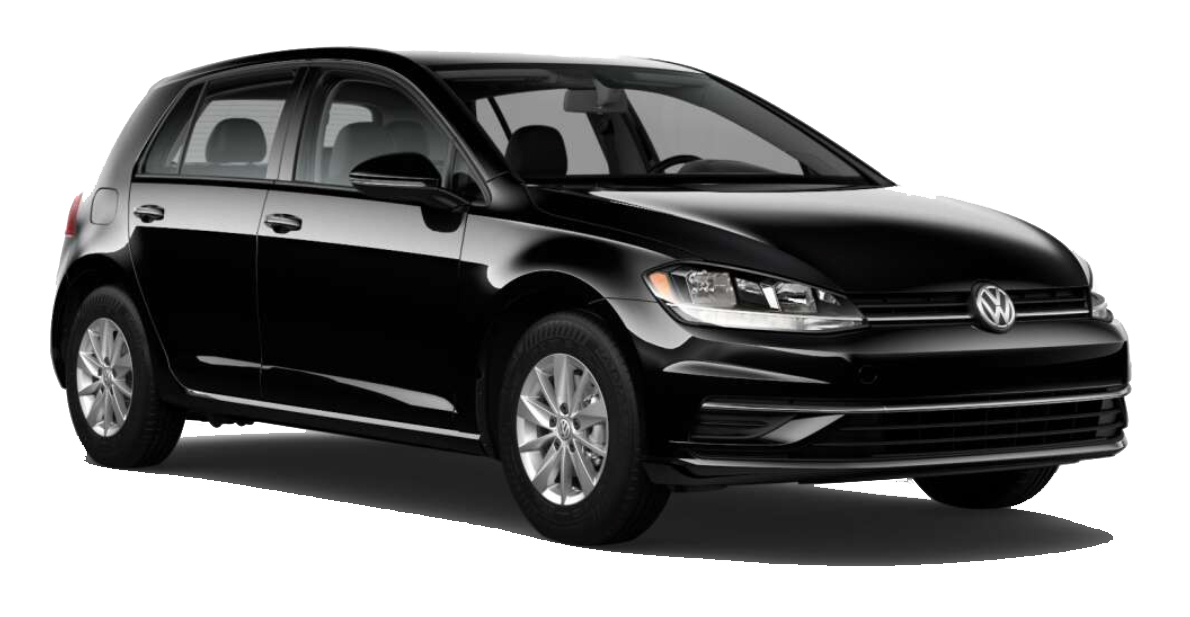
-
Green Motion From€ 32 /day -
Alamo From€ 33 /day -
Avis From€ 34 /day
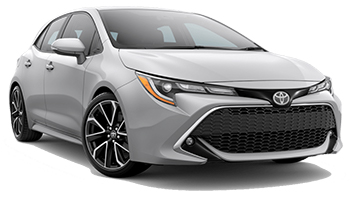
-
Sixt From€ 28 /day -
Autounion Car Rental From€ 28 /day -
addCarRental From€ 31 /day
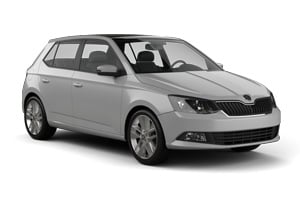
-
Sixt From€ 29 /day
-
Budget From€ 33 /day -
Avis From€ 35 /day -
Sixt From€ 37 /day
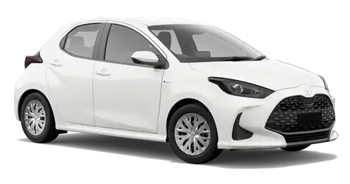
-
Sixt From€ 29 /day
-
Alamo From€ 30 /day -
Green Motion From€ 30 /day -
Avis From€ 31 /day
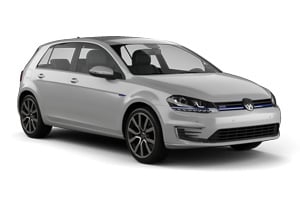
-
Budget From€ 34 /day -
Autounion Car Rental From€ 34 /day -
Avis From€ 35 /day
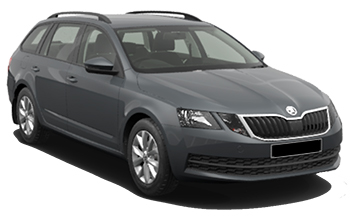
-
Autounion Car Rental From€ 32 /day -
addCarRental From€ 38 /day -
Budget From€ 39 /day
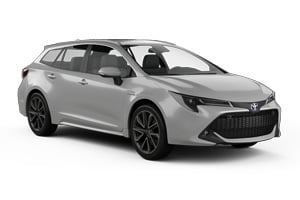
-
Sixt From€ 41 /day -
Alamo From€ 45 /day -
Enterprise From€ 50 /day
-
Autounion Car Rental From€ 41 /day -
Budget From€ 42 /day -
Alamo From€ 45 /day
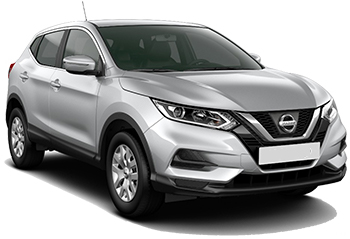
-
Thrifty From€ 42 /day -
Green Motion From€ 45 /day -
Alamo From€ 48 /day
-
Thrifty From€ 43 /day -
Green Motion From€ 47 /day -
Alamo From€ 48 /day
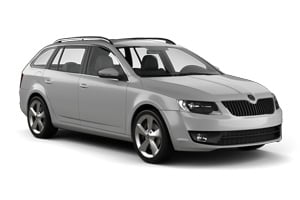
-
Autounion Car Rental From€ 43 /day
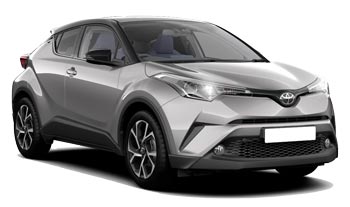
-
Hertz From€ 43 /day -
Sixt From€ 48 /day -
Europcar From€ 57 /day
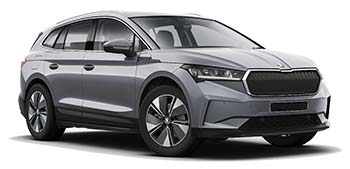
-
Budget From€ 44 /day -
Avis From€ 59 /day
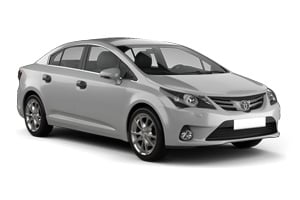
-
Avis From€ 43 /day
-
Alamo From€ 49 /day -
Enterprise From€ 54 /day
-
Alamo From€ 50 /day -
Enterprise From€ 64 /day
-
Sixt From€ 50 /day -
Alamo From€ 55 /day -
Enterprise From€ 56 /day
-
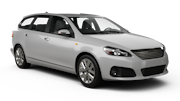
Sixt From€ 52 /day -
Finn-Rent From€ 118 /day
-
Thrifty From€ 52 /day
-
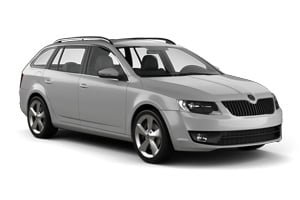
Sixt From€ 54 /day -
Finn-Rent From€ 61 /day
-
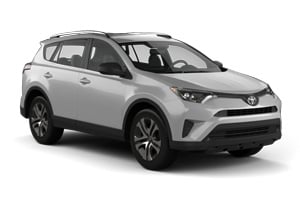
Hertz From€ 55 /day -
Thrifty From€ 66 /day
-
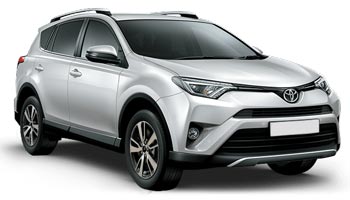
Alamo From€ 54 /day -
Enterprise From€ 68 /day -
Hertz From€ 83 /day
-
Alamo From€ 55 /day -
Hertz From€ 72 /day -
Green Motion From€ 109 /day
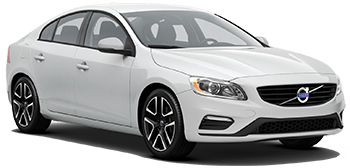
-
Hertz From€ 63 /day
-
Hertz From€ 61 /day
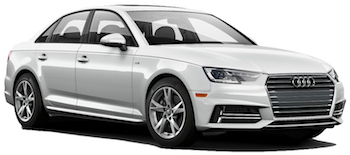
-
Budget From€ 66 /day -
Europcar From€ 84 /day
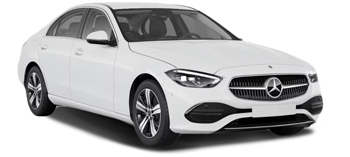
-
Sixt From€ 66 /day -
Finn-Rent From€ 77 /day
-
Sixt From€ 69 /day -
Finn-Rent From€ 86 /day
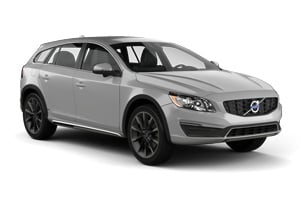
-
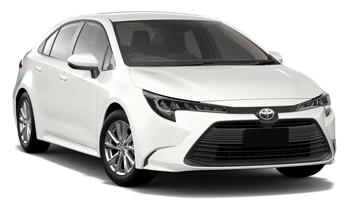
Hertz From€ 69 /day
-
Hertz From€ 70 /day
-
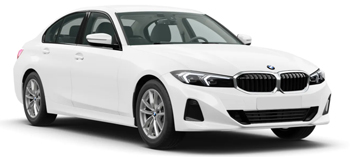
Budget From€ 70 /day -
Europcar From€ 95 /day
-
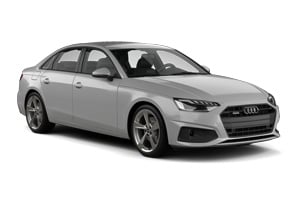
Budget From€ 70 /day -
Avis From€ 72 /day
-
Budget From€ 71 /day -
Europcar From€ 78 /day -
Keddy By Europcar From€ 80 /day
-
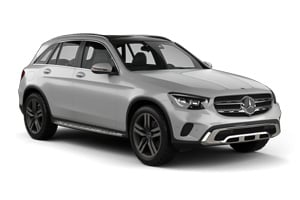
Budget From€ 71 /day -
Europcar From€ 80 /day
-
Alamo From€ 72 /day -
Enterprise From€ 95 /day -
Sixt From€ 106 /day
-
Alamo From€ 73 /day -
Enterprise From€ 104 /day -
Sixt From€ 117 /day
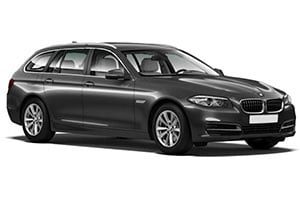
-
Alamo From€ 78 /day -
Enterprise From€ 84 /day -
Budget From€ 97 /day
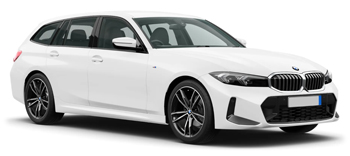
-
Avis From€ 79 /day -
Alamo From€ 80 /day -
Keddy By Europcar From€ 89 /day
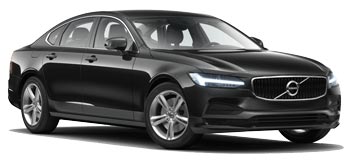
-
Hertz From€ 81 /day
-
Alamo From€ 82 /day -
Avis From€ 82 /day
-
Hertz From€ 82 /day
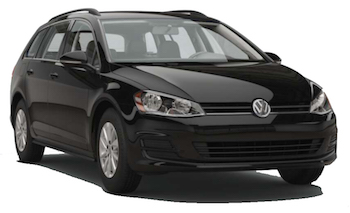
-
addCarRental From€ 28 /day -
Alamo From€ 37 /day -
Budget From€ 39 /day
-
Autounion Car Rental From€ 30 /day
-
Alamo From€ 37 /day -
Green Motion From€ 45 /day -
Enterprise From€ 45 /day
-
addCarRental From€ 31 /day -
Sixt From€ 41 /day -
Alamo From€ 45 /day
-
Autounion Car Rental From€ 32 /day -
addCarRental From€ 38 /day -
Budget From€ 43 /day
-
Autounion Car Rental From€ 38 /day

-
Autounion Car Rental From€ 34 /day
-
Sixt From€ 36 /day -
Europcar From€ 48 /day -
Keddy By Europcar From€ 63 /day
-
Green Motion From€ 41 /day -
Budget From€ 41 /day -
Avis From€ 43 /day
-
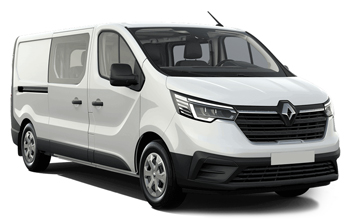
Sixt From€ 84 /day -
Finn-Rent From€ 108 /day -
Europcar From€ 149 /day
-
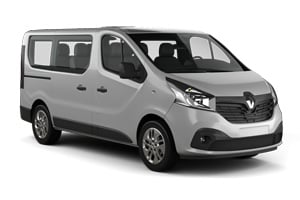
Thrifty From€ 86 /day
-
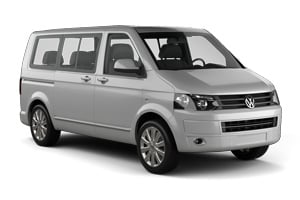
Thrifty From€ 88 /day
-
Hertz From€ 91 /day -
Alamo From€ 104 /day -
Budget From€ 106 /day
-
Hertz From€ 95 /day -
Alamo From€ 108 /day -
Budget From€ 112 /day
-
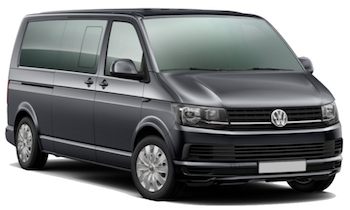
Sixt From€ 96 /day -
Finn-Rent From€ 124 /day -
Europcar From€ 155 /day
-
Avis From€ 103 /day -
Budget From€ 104 /day -
Hertz From€ 124 /day
-
Avis From€ 102 /day -
Budget From€ 102 /day -
Hertz From€ 127 /day
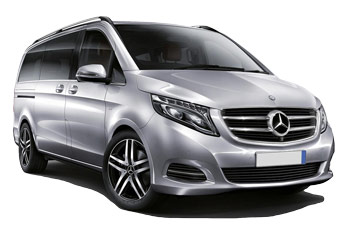
-
Sixt From€ 103 /day
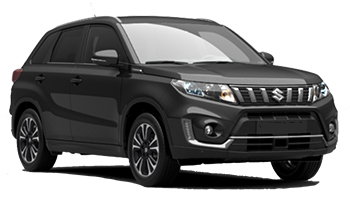
-
Autounion Car Rental From€ 32 /day
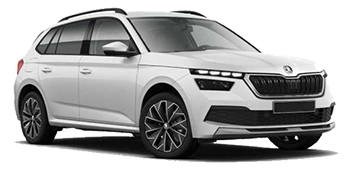
-
Autounion Car Rental From€ 34 /day -
Sixt From€ 36 /day
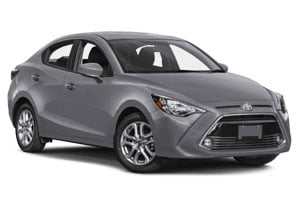
-
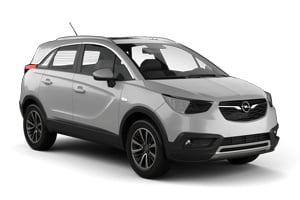
Alamo From€ 37 /day -
Green Motion From€ 49 /day -
Enterprise From€ 50 /day
-
Alamo From€ 37 /day -
Enterprise From€ 41 /day
-
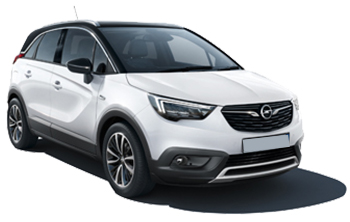
Alamo From€ 37 /day -
Enterprise From€ 41 /day -
Green Motion From€ 49 /day
-
Alamo From€ 39 /day
-
Alamo From€ 38 /day
-
Autounion Car Rental From€ 42 /day
-
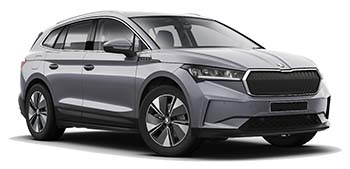
Alamo From€ 44 /day -
Enterprise From€ 51 /day
-
Budget From€ 45 /day -
Avis From€ 53 /day
-
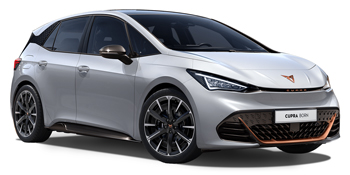
Budget From€ 44 /day -
Avis From€ 59 /day
-
Sixt From€ 46 /day -
Europcar From€ 56 /day
-
Hertz From€ 51 /day -
Sixt From€ 72 /day
-
Sixt From€ 52 /day -
Europcar From€ 70 /day
-
Hertz From€ 52 /day -
Sixt From€ 73 /day
-
Hertz From€ 57 /day -
Sixt From€ 83 /day
-
Hertz From€ 57 /day -
Sixt From€ 88 /day
-
Hertz From€ 60 /day
Popular cities in Finland


Popular rental locations in Finland
-
Car Rental Helsinki AirportFrom
€ 23 /day -
Car Rental Rovaniemi AirportFrom
€ 40 /day -
Car Rental Kittila AirportFrom
€ 55 /day -
Car Rental Oulu AirportFrom
€ 29 /day -
Car Rental Ivalo AirportFrom
€ 67 /day -
Car Rental Rovaniemi Train StationFrom
€ 43 /day -
Car Rental Kuusamo AirportFrom
€ 49 /day -
Car Rental Turku AirportFrom
€ 28 /day
Useful tips for a well-prepared trip
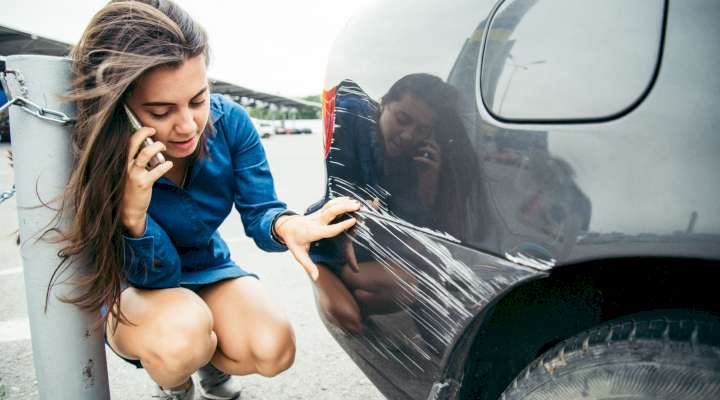
Which insurance should I choose, and what's the deal with the deposit? Read our articles with useful information and tips to ensure you choose the right rental car for you.

Car rental locations in Finland
EasyTerra Car Rental compares rental car prices at the following destinations
Location information for Finland
Finland is best explored by rental car. EasyTerra Car Rental has over 59 pick-up locations in Finland. This means there is always a pick-up location close to your destination.
Most popular car hire locations in Finland
Introduction
Finland is the land of a thousand lakes. It is not only one of the most northerly states of Europe; Finland is also one of the continent's richest countries. In the north, the country borders on Norway, in the east on Russia and in the west on Sweden. The country is known for having almost two million saunas used by over five million people. The Finnish do seem to love their sweat baths!
History
The area we now know as Finland has been inhabited since 8500 BC. The first people lived mainly from agriculture and fishing. Sweden and Russia have played an important role in Finland's more recent history. From 1200 to 1809, Finland was part of the Kingdom of Sweden. From 1809 to 1917, it was part of the Kingdom of Russia. The autonomous state of Finland was given the name 'Grand Duchy of Finland'.
In that period nationalist feelings began to develop among the Finnish population. The Finnish language became an official language that was no longer spoken only by peasants. Since 1892, the language is the second official language, next to Swedish, in the Finnish autonomous area. Russia kept trying to influence Finland, but it could not prevent the country from proclaiming its independence in 1917. This happened after the February Revolution, in which the Czar of Russia abdicated the throne. Although Russia recognized the independent Finnish state, due to civil wars in both countries, the situation was still complex.
After the civil war between the 'Whites' (supported by Germany) and the 'Reds' (supported by Russia) Finland became a kingdom in 1918. This did not last very long: two months later the country became a republic. In 1920, a peace between Finland and Russia was signed in a city in Estonia, Tartu. In that treaty, the boundaries of Finland were determined.
In November 1939, Finland was attacked by the Soviet-Union. The Winter War that lasted for over a year, the Soviet-Union could not win and Finland remained independent. After that, Finland sided with Germany and took part in the German attack on Russia ('Operation Barbarossa'). Finland conquered territory that belonged to the Soviet-Union, but in 1944 decided to make peace. It conceded the Finnish region of Karelia. Between 1944 and 1945, Finland fought against Germany: the Lapland War.
It was not until 1947 that Finland and the Soviet-Union finally signed a peace treaty. Finland promised never again to attack the Soviet-Union. The Soviet-Union maintained an influence on neutral Finland, for instance, by not allowing it to cooperate with the other Scandinavian countries. From 1955, Finland slowly tried to gain greater independence, without arousing suspicion from its communist neighbor. Finland became a member of various cooperation organizations between western countries. After the fall of the Soviet-Union in 1991, Finland faced an economic crisis. Since entering the European Union, however, the Finnish economy once again started to bloom, and nowadays the country is one of the richest countries in Europe.
Society and Culture
Finland has about five million inhabitants, 92% of whom speak Finnish. About 5.5% of the people have Swedish as their first language. Both languages are still the country's official languages. Small minorities speak Russian, Estonian or Samian (the language spoken in Lapland). Recent immigrants and refugees brought their foreign languages with them.
In the 1970's, no fewer than 500,000 people moved from Finland to Sweden. Later, about half of them returned to the motherland. At the moment, some 1.1 million Fins live abroad.
Finland is a religious country. About 90% of its people are a member of the Evangelical Lutheran state church (a protestant church). Some 1% belongs to the Orthodox Church. The remaining part of the population is protestant (other than the Evangelical Lutheran state church), Roman-Catholic, Muslim or Jew. Nowadays, more and more Fins are non-religious.
The Finnish culture has been influenced by Lapland, Sweden and Russia. The Sami culture, the culture of Lapland, is found far up north. Art and entertainment are important to the people of Finland, and there are many shows, events, concerts, etc.
Generally speaking, Fins are reticent and reserved. They find good family connections important. Furthermore, the Finnish people place great value in equality and fairness. It is an emancipated country: Finland was the first country in Europe to introduce universal suffrage. A well-known concept in Finland is 'sisu', which means 'strength and power' and refers to the spirit of the Finnish people. It is the will not to fail, not to surrender and not to be dominated.
Political Situation
Finland is a republic and has a semi-presidential system with a parliament. The parliament has two hundred members, who are democratically elected every four years. Compared to other European countries, the president is relatively powerful. Formally speaking, he is responsible for the country's foreign policy. The president is also elected democratically via a census.
Since 2000, Tarja Halonen is the female president of Finland. She is a member of the Social Democratic Party. She was re-elected in 2006. A president can be re-elected only once in Finland.
The cabinet is the most important administrative body, and has to answer to the parliament. The prime minister is the chairman of the cabinet, and is elected by the parliament. In Finland, people can vote from the age of 18.
At the moment, the National Coalition Party, the Social Democratic Party and the Centre Party are the three dominant parties in Finnish politics. The first of these three parties is rightwing. The Social Democratic Party is left-wing and the Centre party is in between them.
Economy
In the past, the Soviet-Union (Russia) had a lot of influence on Finland's trade. This was why the country was long denied the freedom to trade. For instance, Finland was not allowed to cooperate with the other Scandinavian countries. Until the Second World War, Finland was an agrarian country. After the Second World War, trade with the West started to take off. Technology progressed, specialization emerged and the metal industry became important. Nowadays, trade, production, service and transportation are the most important economic sectors. Finland's climate isn't very suitable for agriculture.
Since the 1980's, Finland has been a rich, highly developed country. It is an industrialised country with a free market economy. Its most important industries are the timber industry and the metal industry. Both a large portion of the industry and the service sector is in the hand of private companies. Finland's main trading partners are Germany, Sweden, Great Britain, Japan and Russia. Export amounts to about 33% of the Gross Domestic Product (GDP). Finland imports raw materials, energy and some production goods.
In the 1990's, the country suffered from high unemployment. This had an adverse effect on consumption. In 2003, income tax was reduced. This boosted consumption and had a favorable effect on the labor market. Nowadays, unemployment is still high, although is it falling. The ICT sector is becoming increasingly important, especially in the areas of telecommunication and information science.
Geography and Climate
Finland is the land of a thousand lakes and islands. In all, there are 187,888 lakes and 179,583 islands. Saima Lake is Finland's largest and Europe's fourth largest lake. Most islands are situated in the south-west of the country. Most lakes are located in the eastern part of southern Finland.
Finland covers a surface of 338,000 square kilometers. About three-quarters of the country is woodland. Geographically speaking, the country can be divided into three areas: the coastal strip in the south and west, the forested area in the centre and the highest region of Finland in the north (which is a part of Lapland). The main cities are located in the coastal area, and that region has most of the country's agriculture. The wooded central region has no fewer than 60,000 lakes. The northern part of Finland consists of infertile soil. As a result, the region has few trees. Finland's highest point is located in the north-west: Haltiatunturi Mountain (1,328 meters high).
Finland borders on the Baltic Sea, the Gulf of Finland and the Botnian Gulf. Helsinki is the capital of Finland. It is the northernmost capital of Europe. Other important cities are Espoo, Vantaa, Tampere, Turku and Oulu. Most of the country's inhabitants live in the southern part of Finland.
Finland has a moderate land climate. The summers are hot and dry and the winters are cold. The warmest month is July, with temperatures between 15 degrees Centigrade in the north and 25 degrees Centigrade in the south. February is the coldest month, with temperatures of -30 Centigrade in the north and -15 in the south. The Atlantic currents have a major influence on the temperatures. Lapland has a tundra climate with extremely cold winters. The coastal area has a maritime climate. This area is the most humid.
A remarkable phenomenon is the midnight sun. In northern Finland the sun does not set for 73 days. The nights are very dusky then. In the winter, there is the polar night: the sun does not come out, which means there are 51 days of darkness. In the south of Finland, there are a few hours of sunlight.
Traffic and Infrastructure
Traveling by (rental) car is by far the most popular way to see Finland. In the rural areas, there is no railway network. Public roads in all cover some 78,000 kilometres. Most roads are paved. It is only since the early 1970's that Finland has motorways. These days, there still aren't that many: only 653 kilometers.
In the summer, the speed limit on motorways is 120 km/h. In the winter, the speed limit is 100 km/h. On other main roads, the speed limit in the summer is 100 km/h, and in the winter it is 80 km/h. Speed limits in urban areas vary between 30 and 60 km/h. People drive on the right side of the road. Compared to Western Europe, few people in Finland own cars.
Boats are the most important form of transportation. In Finland, people travel by sea or by air. A large and busy waterway is the Saimaa Canal System. Its total length is 3577 kilometers. Important ports are Helsinki, Oulu and Turku.
Bus companies are to a large extent in the hands of commercial companies. Buses drive throughout the country. They arrive and leave on time and usually they connect well with each other. ExpressBus connects all the major cities and rural areas. In addition, there are many regional and urban bus companies.
The rail network all together stretches 5,865 kilometers. The best railway connections are found in the south of Finland. There are also a number of connections to northern parts of the country. The trains are comfortable and travelling by train in Finland is relatively cheap.
Many tourists visit Finland by plane. Finland's most important airport is Helsinki-Vantaa Airport. After that Oulunsalo Airport in Oulu is the largest airport. Other international airports are Turku Airport and Tampere-Pirkkala Airport. The large airports are in the hands of Finavia. Finnair is an important airline company.
Food and drink
Like Finland's history, its kitchen has also been influenced by the Scandinavian and Russian culture. It consists to a large extent of fish, such as salmon, trout and herring. Meat lovers can taste reindeer meat or other wildlife. For a country as far north as Finland is, the supply of fresh vegetables is surprisingly large. Many Fins eat stews with various fresh vegetables. The prices in Finnish restaurants are not remarkably high. It is not customary to leave a tip, although you are sometimes expected to leave the doorman a small tip.
In Finland, people drink a lot of milk and coffee. As far as alcohol is concerned, the Fins have a taste for vodka. The vodka brand Koskenkorva is known virtually everywhere in Finland. Supermarkets do not sell alcoholic beverages. For that you need to go to the special Alko state shops.
Accommodation
Typical for accommodations in Finland are the high quality and standards. Hotels vary in prices and luxury. At most hotels in Finland, breakfast is included. Naturally, many of them also have a sauna!
Tourists can also rent a holiday cottage. Many cottages are available in beautiful areas on the water and in the forest. Holiday cottages are also often equipped with a sauna. For those who enjoy the outdoors, there are over 350 excellent campsites. These are located immediately on the water or at the edge of a forest. Some campsites are open all year. These are usually campsites in winter sports areas. Many campsites offer wooden cabins. Especially during winter, they offer more warmth and comfort than a caravan or tent. These cabins usually accommodate four people.
In the north of Finland there are special accommodations for a unique experience in the snow. For instance, there are a number of so-called 'husky farms', where you can enjoy the magnificent landscape while you are on a sled drawn by huskies.
Time zone
Finland has a time zone of GMT +2. This is called Eastern European Time. Finland also has daylight saving time. These times run parallel with the times in the Benelux. This means that there will always be a one hour difference.
External sources
For more information about Finland, we recommend Google , and the following external sources:
Practical information
-
CurrencyEuro
-
Driving directionRight
-
City speed limit50 km/h
-
Freeway speed limit80 km/h
-
LanguageSwedish, Finnish
-
Popular car categoryEconomy
What most people want to know
The following questions and answers are a selection of the most popular questions. If you do not find the answer to your question, have a look at the Frequently Asked Questions page or contact us.
- Sixt
- Avis
- Hertz
- Budget
- Europcar
- Enterprise
- Finn-Rent
- Alamo
- Thrifty
- FiRENT
- Keddy By Europcar
- Green Motion
- addCarRental
- Autounion Car Rental
- National Car Rental
- Global Rent a Car
- Dollar Rent a Car
- Your Rent
- McRent
- Touring Cars
- Autorentti