
- Online car rental since 2005
Car Rental Slovakia
Save time and money. We compare the offers of car rental companies in Slovakia on your behalf.
- Free cancellation Up to 48 hours prior to the scheduled pick up time
- Best price guarantee Have you found a better price? Let us know and we will make you a better offer.
- 24000+ pick-up locations Locations around the world

Car Rental Slovakia
EasyTerra Car Rental Slovakia is an independent car rental comparison site. Our system compares prices from well-known car rental companies so as a customer you can always reserve your car through us at a competitive rate.
Car rental offers in Slovakia
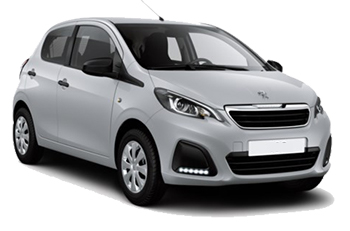
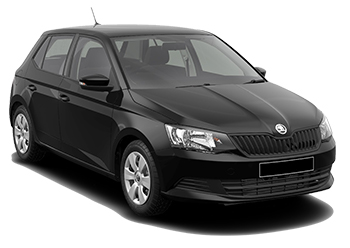
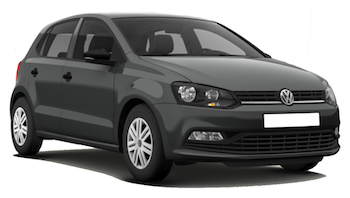
Whether you're looking for a small rental car or a station wagon for the entire family, we will always have a suitable vehicle for the lowest price. Below are some examples from our selection in Slovakia.
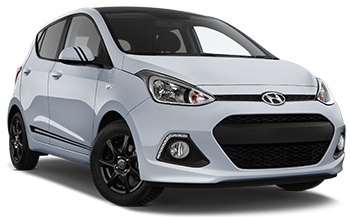
-
Autounion Car Rental From€ 11 /day -
wheego From€ 18 /day
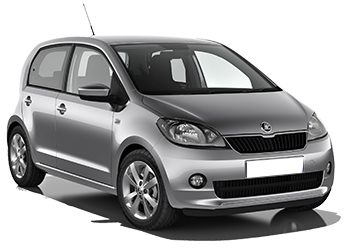
-
Budget From€ 13 /day -
Alamo From€ 27 /day -
Enterprise From€ 27 /day
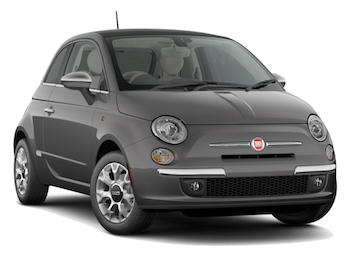
-
wheego From€ 18 /day
-
Budget From€ 14 /day
-
wheego From€ 18 /day
-
wheego From€ 18 /day -
Autounion Car Rental From€ 32 /day
-
Budget From€ 19 /day
-
Budget From€ 23 /day -
Alamo From€ 31 /day -
Enterprise From€ 37 /day
-
Autounion Car Rental From€ 11 /day -
Budget From€ 14 /day -
SurPrice car rentals From€ 17 /day
-
Budget From€ 14 /day -
Avis From€ 14 /day -
addCarRental From€ 17 /day
-
Budget From€ 19 /day -
wheego From€ 21 /day -
Green Motion From€ 23 /day
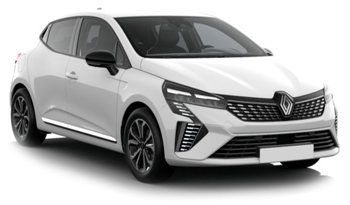
-
Payless Car Rental From€ 16 /day
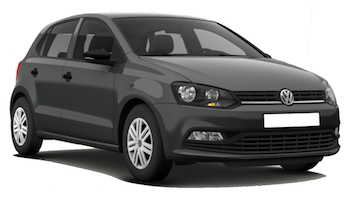
-
Budget From€ 17 /day
-
Avis From€ 20 /day -
Budget From€ 24 /day -
addCarRental From€ 202 /day
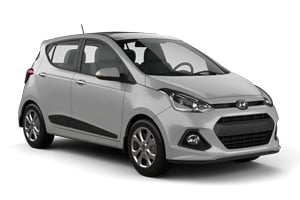
-
Autounion Car Rental From€ 17 /day
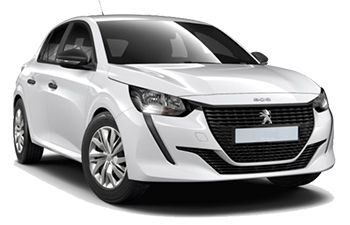
-
Avis From€ 18 /day -
Europcar From€ 22 /day -
Thrifty From€ 22 /day
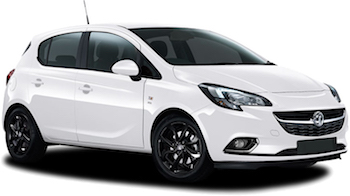
-
wheego From€ 20 /day
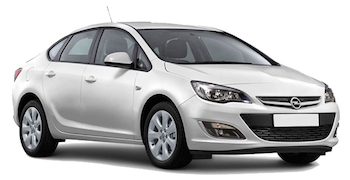
-
Autounion Car Rental From€ 15 /day -
Alamo From€ 25 /day -
Enterprise From€ 26 /day
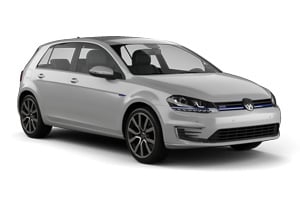
-
Budget From€ 15 /day -
Europcar From€ 29 /day -
Keddy By Europcar From€ 48 /day
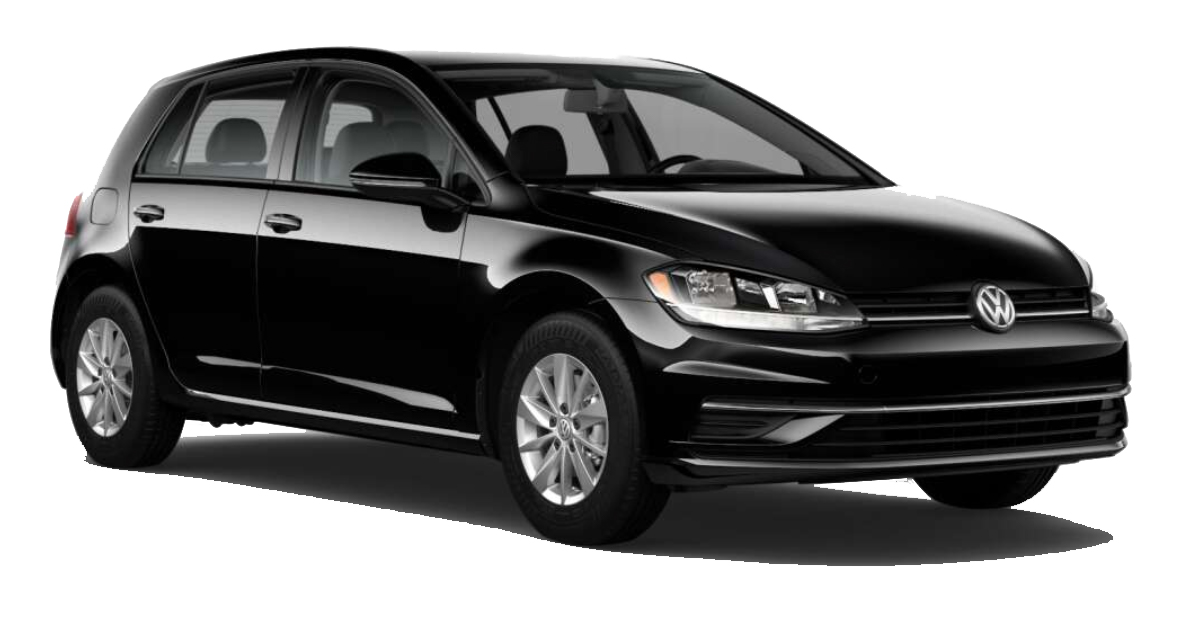
-
Budget From€ 21 /day
-
Budget From€ 16 /day
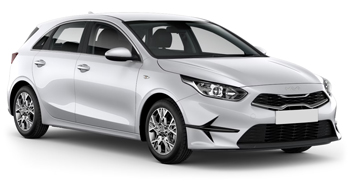
-
Avis From€ 18 /day -
Europcar From€ 25 /day -
wheego From€ 32 /day
-
Avis From€ 24 /day -
wheego From€ 33 /day -
Europcar From€ 35 /day
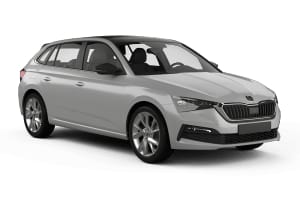
-
SurPrice car rentals From€ 19 /day -
Alamo From€ 25 /day -
wheego From€ 25 /day
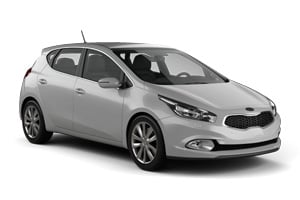
-
Payless Car Rental From€ 21 /day -
Sixt From€ 25 /day -
Europcar From€ 26 /day
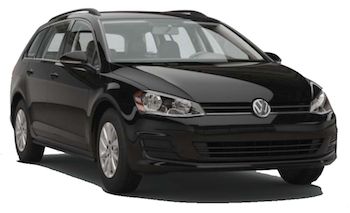
-
Budget From€ 25 /day -
Europcar From€ 38 /day
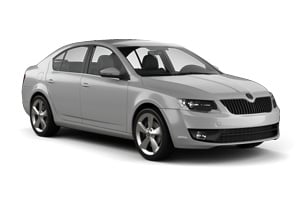
-
Budget From€ 18 /day -
Thrifty From€ 29 /day -
FireFly Car Rental From€ 33 /day
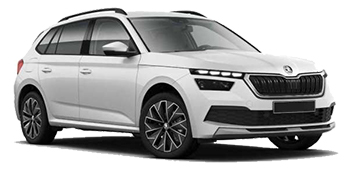
-
SurPrice car rentals From€ 23 /day
-
Budget From€ 24 /day -
Thrifty From€ 35 /day -
Sixt From€ 41 /day
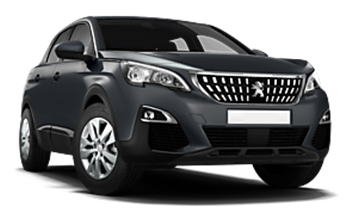
-
FireFly Car Rental From€ 29 /day -
Thrifty From€ 31 /day -
Hertz From€ 38 /day
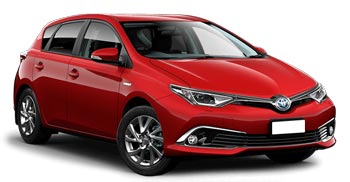
-
Green Motion From€ 35 /day -
Sixt From€ 39 /day

-
Europcar From€ 31 /day
-
Sixt From€ 32 /day -
Green Motion From€ 32 /day

-
SurPrice car rentals From€ 37 /day
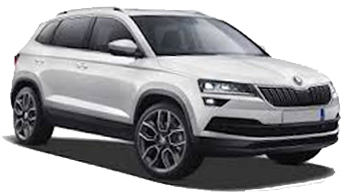
-
Alamo From€ 36 /day -
SurPrice car rentals From€ 42 /day -
wheego From€ 44 /day
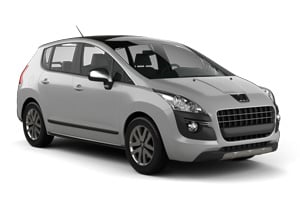
-
Thrifty From€ 36 /day
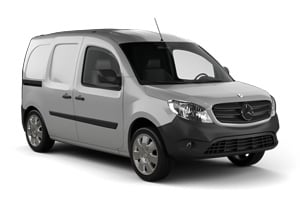
-
Europcar From€ 36 /day -
Keddy By Europcar From€ 63 /day
-
Europcar From€ 40 /day
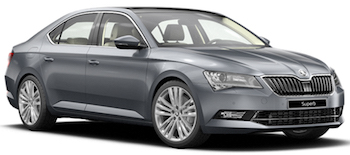
-
Sixt From€ 39 /day -
Thrifty From€ 41 /day -
Hertz From€ 51 /day
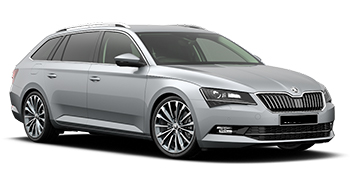
-
Sixt From€ 46 /day -
Thrifty From€ 47 /day -
Avis From€ 60 /day
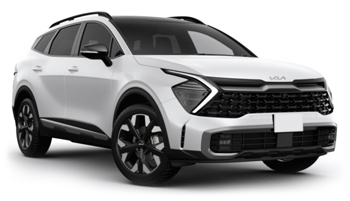
-
Payless Car Rental From€ 41 /day -
wheego From€ 48 /day -
Sixt From€ 99 /day
-
Thrifty From€ 47 /day
-
Payless Car Rental From€ 48 /day -
wheego From€ 52 /day -
Sixt From€ 110 /day
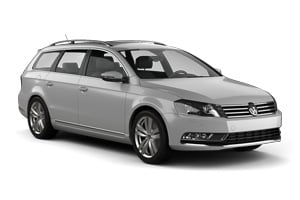
-
Europcar From€ 53 /day -
Keddy By Europcar From€ 68 /day -
addCarRental From€ 191 /day
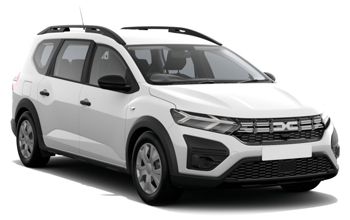
-
SurPrice car rentals From€ 41 /day
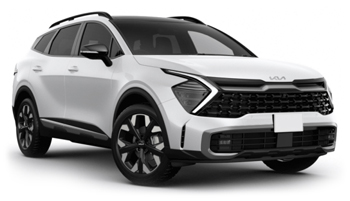
-
wheego From€ 44 /day
-
wheego From€ 45 /day
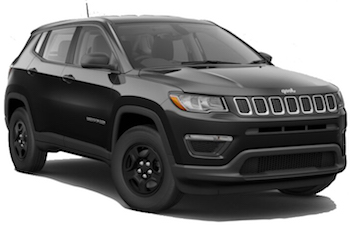
-
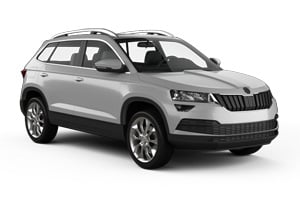
wheego From€ 44 /day
-
wheego From€ 50 /day
-
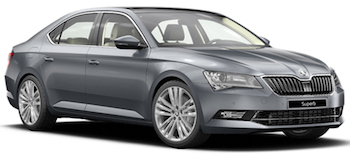
SurPrice car rentals From€ 65 /day
-
SurPrice car rentals From€ 82 /day
-
SurPrice car rentals From€ 79 /day
-
SurPrice car rentals From€ 84 /day
-
Keddy By Europcar From€ 50 /day
-
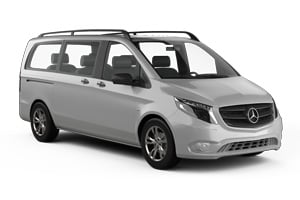
Europcar From€ 75 /day -
Keddy By Europcar From€ 112 /day
-
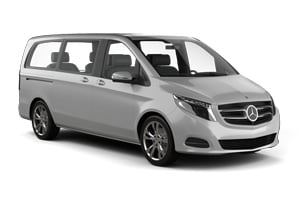
Payless Car Rental From€ 153 /day -
Sixt From€ 163 /day -
Avis From€ 189 /day
-
Europcar From€ 78 /day
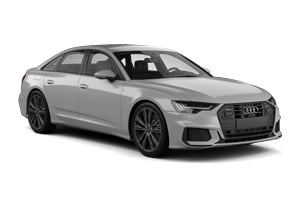
-
Europcar From€ 80 /day -
Keddy By Europcar From€ 123 /day
-
addCarRental From€ 81 /day -
Avis From€ 126 /day -
Payless Car Rental From€ 146 /day
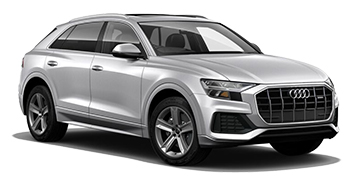
-
Europcar From€ 85 /day -
Keddy By Europcar From€ 130 /day
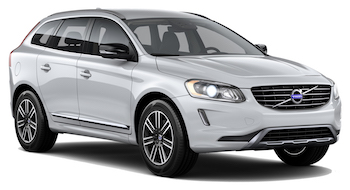
-
Avis From€ 106 /day
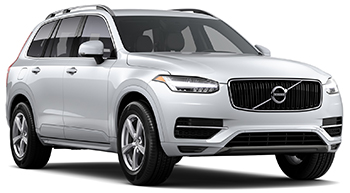
-
Avis From€ 122 /day
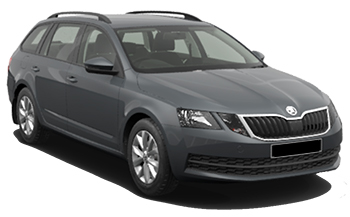
-
Budget From€ 20 /day -
FireFly Car Rental From€ 33 /day -
Sixt From€ 35 /day
-
Budget From€ 25 /day -
Sixt From€ 42 /day -
FireFly Car Rental From€ 43 /day
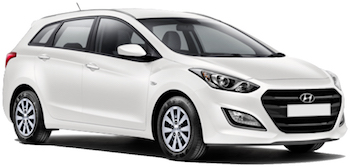
-
Sixt From€ 26 /day -
wheego From€ 39 /day
-
Budget From€ 28 /day
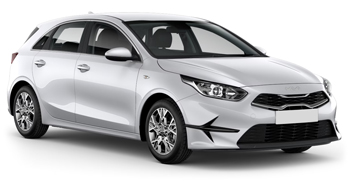
-
wheego From€ 33 /day -
Avis From€ 47 /day -
Thrifty From€ 56 /day
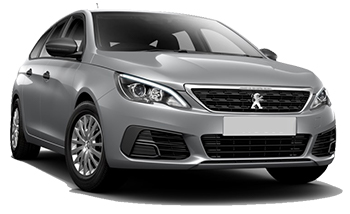
-
Sixt From€ 28 /day -
Thrifty From€ 29 /day -
Europcar From€ 31 /day
-
wheego From€ 32 /day -
Hertz From€ 39 /day -
Avis From€ 43 /day
-
Sixt From€ 33 /day -
wheego From€ 44 /day
-
Thrifty From€ 34 /day -
Sixt From€ 35 /day -
Europcar From€ 36 /day
-
Europcar From€ 75 /day -
Keddy By Europcar From€ 112 /day
-
Europcar From€ 78 /day
-
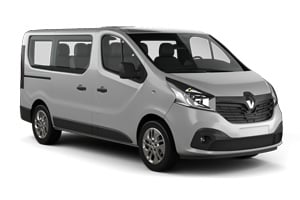
Payless Car Rental From€ 90 /day -
Avis From€ 95 /day -
SurPrice car rentals From€ 100 /day
-
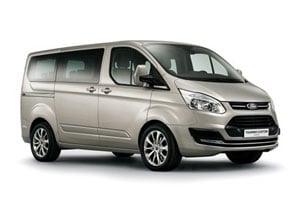
addCarRental From€ 81 /day
-
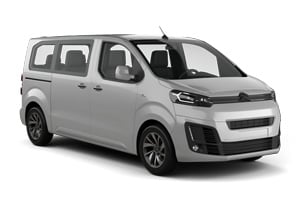
addCarRental From€ 81 /day -
Europcar From€ 85 /day -
Avis From€ 126 /day
-
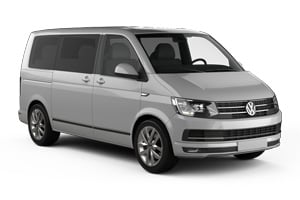
Sixt From€ 105 /day
-
addCarRental From€ 81 /day
-
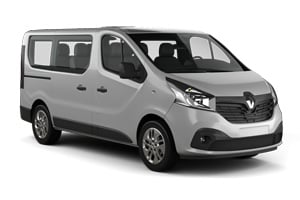
Payless Car Rental From€ 83 /day -
Avis From€ 83 /day -
SurPrice car rentals From€ 98 /day
-
Payless Car Rental From€ 153 /day -
Sixt From€ 163 /day -
Avis From€ 189 /day
-
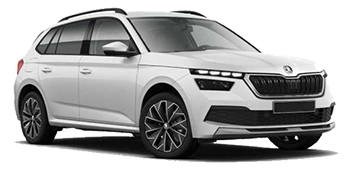
Alamo From€ 27 /day -
SurPrice car rentals From€ 28 /day -
wheego From€ 30 /day
-
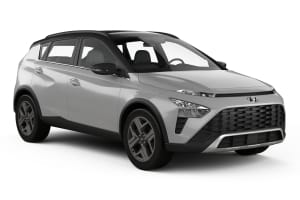
Alamo From€ 29 /day -
Enterprise From€ 30 /day
-
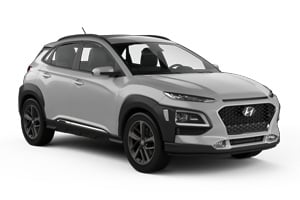
Alamo From€ 33 /day -
wheego From€ 33 /day -
SurPrice car rentals From€ 34 /day
-
wheego From€ 33 /day
-
wheego From€ 34 /day
-
Thrifty From€ 36 /day
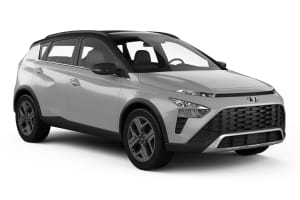
-
Alamo From€ 36 /day -
Enterprise From€ 38 /day
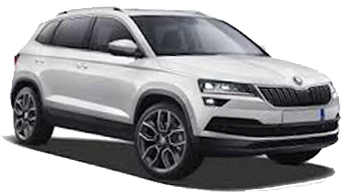
-
Alamo From€ 36 /day -
SurPrice car rentals From€ 42 /day -
wheego From€ 44 /day
-
Alamo From€ 42 /day -
wheego From€ 45 /day -
SurPrice car rentals From€ 56 /day
-
SurPrice car rentals From€ 111 /day
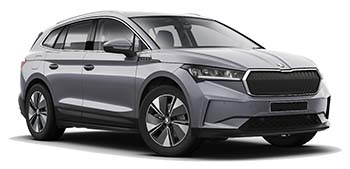
-
SurPrice car rentals From€ 138 /day
-
SurPrice car rentals From€ 145 /day
Popular cities in Slovakia


Useful tips for a well-prepared trip
Which insurance should I choose, and what's the deal with the deposit? Read our articles with useful information and tips to ensure you choose the right rental car for you.

Car rental locations in Slovakia
EasyTerra Car Rental compares rental car prices at the following destinations
Location information for Slovakia
Slovakia is best explored by rental car. EasyTerra Car Rental has over 5 pick-up locations in Slovakia. This means there is always a pick-up location close to your destination.
Most popular car hire locations in Slovakia
Introduction
In Eastern Europe lies the country of Slovakia with its capital Bratislava. This is also the biggest city of Slovakia. It has 450.000 inhabitants. Bratislava lies near the western border, not far from Austria and Hungary. The Danube flows through a pleasant hilly landscape and forms a natural border with Hungary.
For many tourists the rough Slovakian nature is a real attraction. Especially the north and northeast have much to offer. The high Tatra Mountains, the historical cities of Levoca and Bardejov and the possibilities to raft on the river Dunajec give nature lovers more than enough reason to visit Slovakia. Those who love historical sites can visit the capital, the above mentioned towns and some of the 180 castles and ruins which are still standing in the Slovakian land. Spissky hrad in the east is by far the most beautiful one. In the northeast you will find the historic wooden churches from the Moravian period during the ninth century. Slovakia is a young republic, which has existed for fifteen years now and is being discovered by more and more tourists.
History
The region that is known today as Slovakia was inhabited by Slavic tribes in the fifth century AD. In 833 the Moravian prince conquered the city Nitra, 85 kilometers east of present day Bratislava. This is how the Great Moravian Empire was founded. The central and western parts of current Slovakia, the entire Czech Republic and parts of Poland, Hungary and Germany, were part of this empire. During the second half of the ninth century Christianity made its advent upon which the empire converts to this religion.
The Moravian empire was granted only a short life. In 907 it fell apart and by 1018 Hungary had annexed the entire empire. This situation provided nine hundred years of relative stability for the larger part of Slovakia. From 1412 till 1772 the eastern Spis region belonged to Poland. The Hungarian dug silver, copper and goldmines. The trade in amber, wool and gold also started during this period. At a distance of 170 kilometers east of Bratislava, the historic town Banska Stiavnica is located. The oldest writings mentioning this town are from the year 1156. During the thirteenth century Banska Stiavnica became known for the winning of gold and silver. Nowadays the historic town centre is on the UNESCO World Heritage List.
In the sixteenth century the Turks overran Hungary. The capital moved from Buda to Bratislava. Then in 1867, the Austrian-Hungarian Empire was founded. The Hungarians then forced their culture on Slovakia. The Hungarian language was the only language taught in schools for example. As a reaction to this, the Slovakian people tightened their ties with the Czechs. As the Czechs were occupied by Austria, both countries shared a similar fate. After the collapse of the Austrian-Hungarian Empire during World War I, the Czech-Slovakian Republic was born.
In 1939 however, it fell apart again. When, at the Treaty of Munich, the republic was forced to hand over parts of the republic, Slovakia decided to declare independence. Hungary then seized the opportunity to take some of the land of the weakened Slovakia.
During World War II Slovakia, under the guidance of Jozef Tiso, shared sides with Hitler. In 1944 the Slovakian people revolted against the fascist Tiso. The Slovaks are still proud of their demonstration of resistance. It took the Germans months to crush the uprising.
After the war, Czechoslovakia became a single state again. It was supposed to be a federal state, but the Soviets occupied the country in 1948 and centralized their power in Prague. The Slovaks felt discriminated against the Czechs. This resulted in the 'Prague Spring', a period that started in January and ended in August of the year 1968. Alexander Dubcek, the then political leader of Czechoslovakia, headed for a more moderate political line for the communist' country. It was his intention to democratize the country. Because of these changes, the Slovaks theoretically got their equal rights. However, the power remained in Prague. The Soviet Union then feared that the changes in the political environment of Czechoslovakia would influence other members of the Warsaw-pact. This was one of the reasons why Leonid Brezhnev, the communist leader of the Soviet Union, decided to put a stop to the reforms. On the twentieth of August 1968, 'Operation Danube' started at which the Soviet Union invaded Czechoslovakia.
All reforms were undone. The agitation and dissatisfaction among the people continued to exist. The nonviolent 'Velvet Revolution ' of 1989 overthrew the communist regime and revived the Slovakian nationalism. In 1992 the Slovak parliament rejected a treaty that would have continued to uphold the Czechoslovakian republic. The Slovaks wanted a sovereign state which they got in 1993.
Society and culture
There are approximately 5.5 million people living in Slovakia. Around ten percent of them is originally Hungarian. This group mainly lives in the southeast of the country. Less than one percent is Czech. There is also a Roma population living in Slovakia. However, it is not certain how many.
In general Slovaks are very friendly, though they can appear slightly surly at first. The rural population cherishes its traditions. Guests are often welcomed by a glass of slivovica, a strong liquor of prunes. Shoes are taken off at the door and are often exchanged for slippers, sandals or other footwear. In villages, some people still wear the colorful traditional clothing.
The vast majority of Slovaks is Roman Catholic. Besides this, evangelical Protestantism is very popular. Religion in general forms an important part of the daily life of Slovakians. In the east of the country, there are also Greek Catholics and Orthodox believers.
The Slovak language is closely related to the Czech language. Both are Western Slavic languages. Many younger Slovaks speak English. A large number of Slovakians also speaks German, though it is not always appreciated, especially by the older generation of Slovaks, when foreigners address them in German. Attempts by visitors to try and speak Slovakian are usually welcomed.
Political situation
Since 1993 Slovakia has been a parliamentary republic. The head of state is the president. He or she is elected for a period of five years. Since 2004 Ivan Gasparovic holds this office. The president is also the one who appoints his ministers.
At the first of May 2004 Slovakia joined the European Union. Besides this, the country is a member of the United Nations and the NATO.
Economy
Since the collapse of communism in 1993, the Slovakian economy is lacking behind. The unemployment rates are also very high. Over one third of Slovakia is being cultivated. The agricultural sector is very important. Besides this, steel, ceramics and textiles are produced. Slovakia's economy relies on trade with Germany, the Czech Republic, Russia and Italy. The currency of Slovakia was the Slovakian Crown. In January 2009 the Euro was introduced.
Geography and climate
In the heart of Europe, surrounded by Poland, Ukraine, Hungary, Austria and the Czech Republic, lies the almost fifty thousand square kilometers big country of Slovakia. In the southwest of this elongated country forms the Danube a natural border with Hungary. From the river to the feet of the Carpathians, green meadows cover the hills. This is a fertile agricultural region. East of Bratislava, along the Danube, lies the driest, hottest and sunniest lowland of Slovakia. The longest river of Slovakia originates in the north in the Tatra Mountains and eventually joins the Danube. This river bears the name Vah.
Little less than half of the country is covered with trees. Central Slovakia is dominated by the Vysoké Tatry, the high Tatras. The highest peak is 2654 meters and is called Gerlachovsky Stit. The Tatra mountain range is one of the most visited attractions of Slovakia. Hikers can gaze at magnificent panoramic views. Walking through the woods and along the cliffs, fairytale-like mountain lakes sometimes appear. These tarns are the eyes of the Tatras.
In the south of Slovakia there are mountains of slate, in which the caves of Slovensky raj were eroded. This National Park offers visitors a chance to see beautiful flora and fauna in and along ravines, meadows and the river Hornad. The area varies in height between 500 and 1700 meters. While walking through clefts and over plateaus hikers will come past small and bigger waterfalls that pour down the cliffs.
Slovakia is surrounded by other countries, which causes the climate to be continental. The winters are cold and the summers are hot. In winter the waterfalls freeze up in the mountains and snow covers the tracks. Until well in spring the mountains can keep their white color. July and August are the hottest months. The highest temperatures are reached in the lowland of the Danube.
Traffic and infrastructure
On the Slovakian highway the maximum speed is 130 km/h. Inside the built-up areas drivers have to slow down to forty or sixty km/h. Outside this area one may drive 90 km/h. To drive on highways a green emblem is required. These are for sale at the borders, at petrol stations and 'Satur' offices.
From Bratislava to Kosice in the west runs the most important rail road. From Bratislava several trains can be taken to many European cities. Slovakian trains are efficient and the tickets are not expensive.
Travelling by public transport between the different cities is more convenient by train than by bus. Buses are slow and less comfortable. Besides this, trains go more frequently. Local buses and trams generally operate between half past four in the morning until half past eleven at night.
Several flights per day go to and from Prague Airport. As Vienna Airport lies sixty kilometers from Bratislava, not many planes leave from Bratislava Airport to other European cities. Bratislava Airport is located at nine kilometers distance from the capital.
Food and drink
Slovakians dine usually between six and nine in the evening. One of the specialties of the country is the garlic soup (cesnaková pievka). Another typical Slovakian dish is bryndzové halusky: dumplings fried in sheep's cheese and bacon. The Slovakian cheese is also a specialty. Besides this there is traditional goulash available in Slovakia and various kinds of fish are served such as trout and carp.
There is some viniculture in the south and in the Modra region north of Bratislava. Slovakian wine is generally very good. Just like in the neighboring Czech Republic, Slovakians can brew real good beer, or pivo. Those who love strong alcoholic liquor can try several kinds in Slovakia. Those in favor of herbal liquors can taste demänovka or horec. The traditional prune brandy slivovica is a Slovakian product that shares its fruity character with borovicka which is made of junipers.
Time zone
The Slovak time is GMT/UTC +1. At the end of March the Slovaks turn their clocks forward one hour. This is the so called 'summertime'. At the end of October the clocks are turned back again to 'wintertime'.
Accommodation
Hotels in Slovakia are rated with a star system. This runs from one to five stars. In Bratislava the hotels are more expensive than in the rest of the country.
Hostels are usually opened during July and August. The hostels for tourists offer very modest shelter. These are meant for travelers who want nothing more than a bed to sleep on. They are often used by hikers. Information on these hostels is available at the tourist offices.
Camp sites are generally open between May and September. Small houses can also be rented here.
Those who are interested in a room in town or in the countryside should look for signs saying privát or Zimmer frei. Tourist information centers or travel agencies can also book rooms. Outside the city, in the tourist areas, the service is often much more extensive.
External sources
For more information about Slovakia we recommend Google and the following sources:
Practical information
-
CurrencyEuro
-
Driving directionRight
-
City speed limit50 km/h
-
Freeway speed limit90 km/h
-
LanguageSlovak
-
Popular car categoryEconomy
What most people want to know
The following questions and answers are a selection of the most popular questions. If you do not find the answer to your question, have a look at the Frequently Asked Questions page or contact us.
- Budget
- Alamo
- Megadrive
- Hertz
- Europcar
- Avis
- GLOBAL Rent-a-Car
- Autounion Car Rental
- Keddy By Europcar
- FireFly Car Rental
- Buchbinder
- Green Motion
- SurPrice car rentals
- Carwiz rent a car
- wheego
- addCarRental
- Payless Car Rental
- Enterprise
- Thrifty
- Your Rent
- Sixt
- National Car Rental
- Eden Cars
- Dollar Rent a Car