
- Online car rental since 2005
Car Rental Prague
Save time and money. We compare the offers of car rental companies in Prague on your behalf.
- Free cancellation Up to 48 hours prior to the scheduled pick-up time
- Best price guarantee Have you found a better price? Let us know and we will make you a better offer.
- 24000+ pick-up locations Locations around the world

Car Rental Prague
EasyTerra Car Rental Prague is an independent car rental comparison site. Our site compares prices from well-known car rental companies so that, as a customer, you can always reserve your car with us at a competitive rate.
Car rental offers in Prague
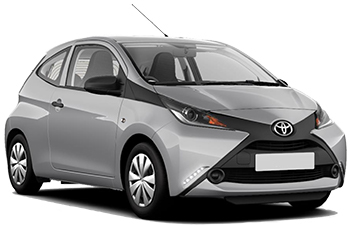
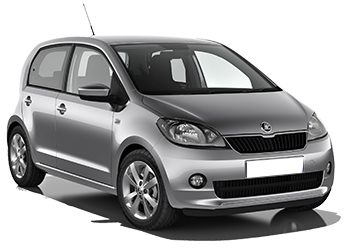
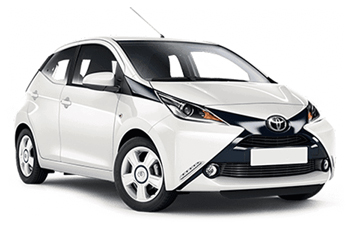
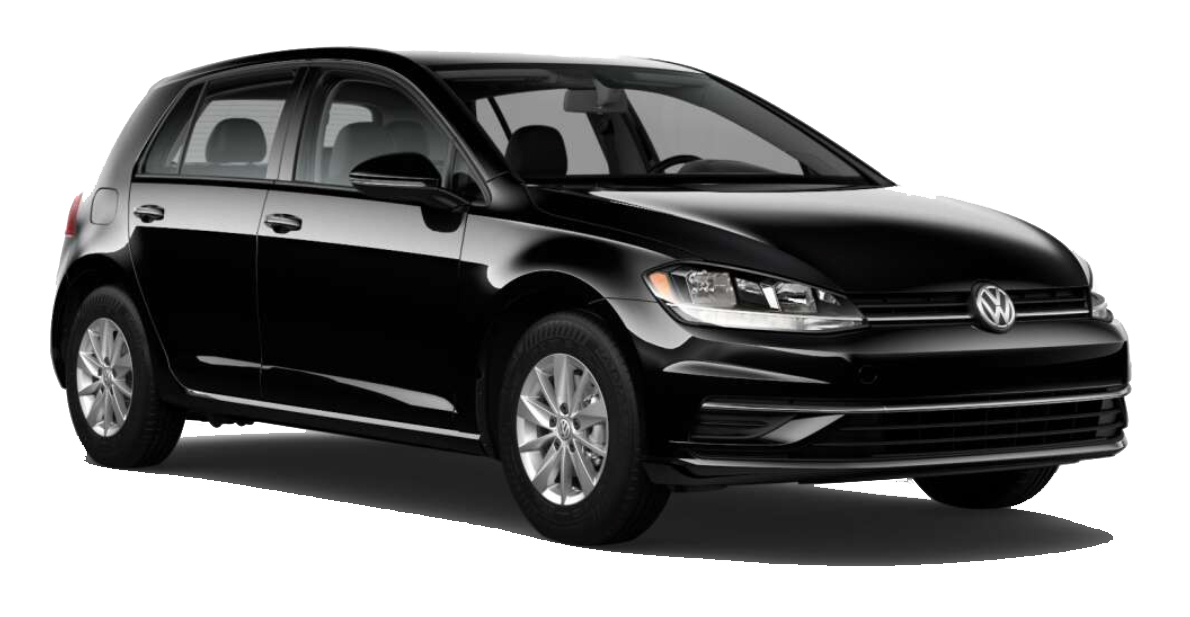
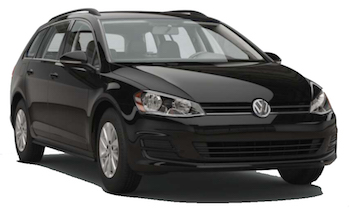
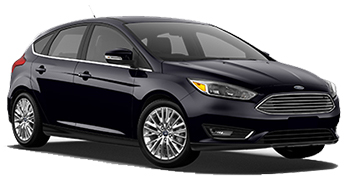
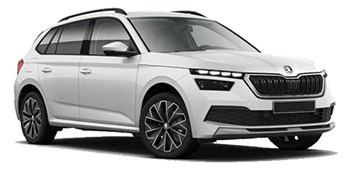
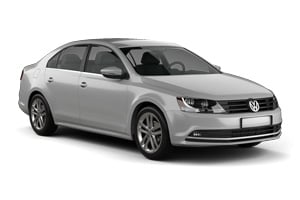
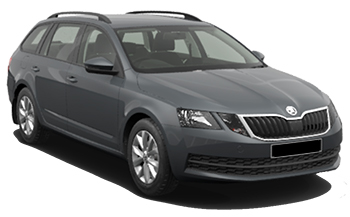
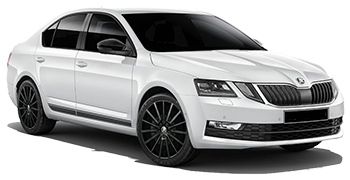
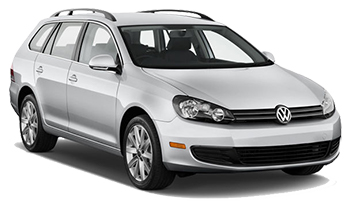
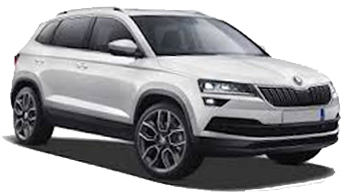
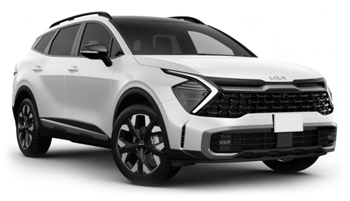
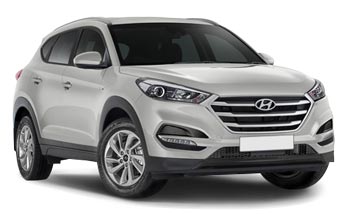
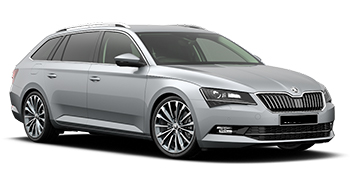
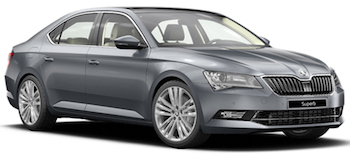
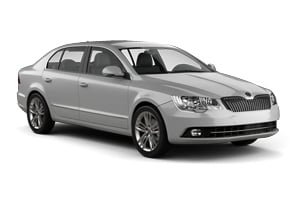
Whether you're looking for a small rental car or a station wagon for the entire family, we will always have a suitable vehicle at the lowest price. Below are some examples from our selection in Prague.
-
ACE Rent A Car From€ 11 /day -
wheego From€ 12 /day
-
Alamo From€ 16 /day -
Budget From€ 18 /day -
Enterprise From€ 31 /day
-
wheego From€ 17 /day
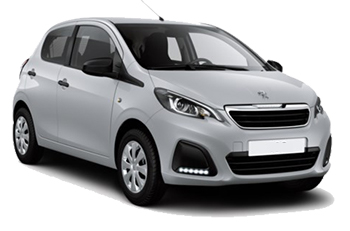
-
Budget From€ 18 /day
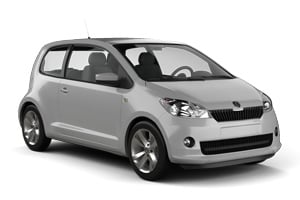
-
Budget From€ 23 /day -
Alamo From€ 25 /day -
Enterprise From€ 39 /day
-
Budget From€ 23 /day
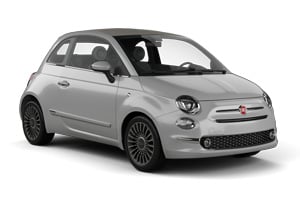
-
Carwiz rent a car From€ 26 /day
-
Carwiz rent a car From€ 28 /day
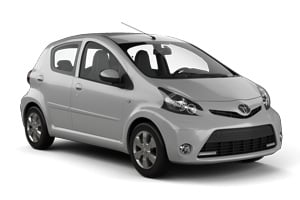
-
wheego From€ 29 /day
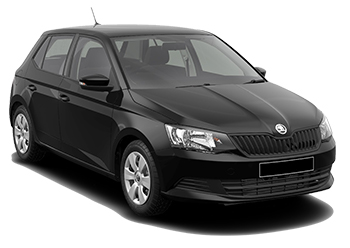
-
Rent Plus From€ 10 /day -
wheego From€ 11 /day -
Right Cars From€ 14 /day
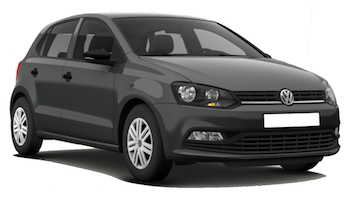
-
Rent Plus From€ 10 /day -
Budget From€ 27 /day
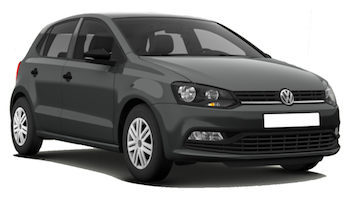
-
Rent Plus From€ 14 /day
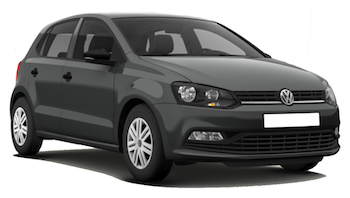
-
ACE Rent A Car From€ 11 /day -
Rent Plus From€ 13 /day -
Budget From€ 20 /day
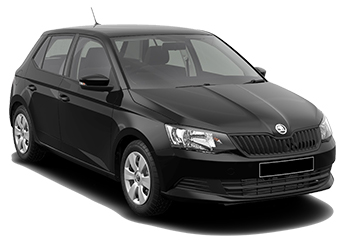
-
Rent Plus From€ 14 /day -
wheego From€ 15 /day -
Alamo From€ 26 /day
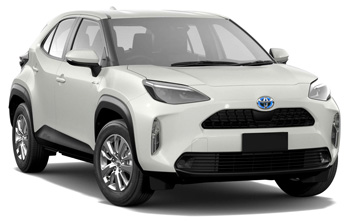
-
Rent Plus From€ 18 /day -
Europcar From€ 38 /day
-
Rent Plus From€ 18 /day -
Budget From€ 25 /day
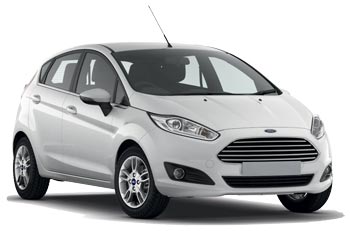
-
Green Motion From€ 19 /day
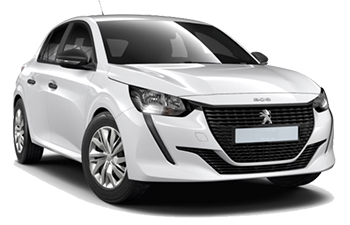
-
Sixt From€ 22 /day -
Thrifty From€ 37 /day -
Hertz From€ 38 /day
-
Rent Plus From€ 11 /day -
Sixt From€ 22 /day -
Budget From€ 23 /day
-
Rent Plus From€ 12 /day -
wheego From€ 14 /day -
Autounion Car Rental From€ 19 /day
-
Rent Plus From€ 14 /day -
Sixt From€ 24 /day -
Budget From€ 27 /day
-
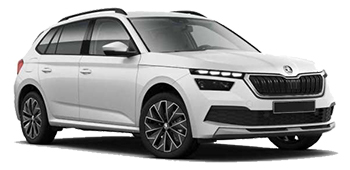
ACE Rent A Car From€ 12 /day -
Green Motion From€ 20 /day
-
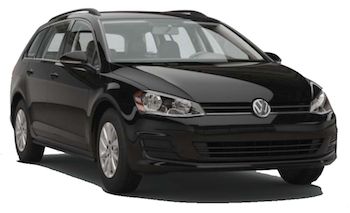
wheego From€ 12 /day -
Carwiz rent a car From€ 17 /day -
Alamo From€ 24 /day
-
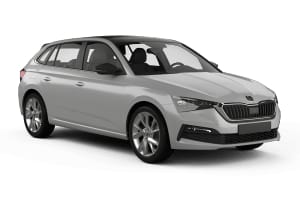
Rent Plus From€ 16 /day -
Autounion Car Rental From€ 27 /day -
Sixt From€ 33 /day
-
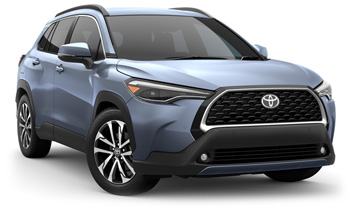
wheego From€ 13 /day -
Alamo From€ 17 /day -
Autounion Car Rental From€ 22 /day
-
wheego From€ 14 /day
-
wheego From€ 17 /day -
Alamo From€ 32 /day -
Autounion Car Rental From€ 38 /day
-
Rent Plus From€ 13 /day
-
Rent Plus From€ 15 /day -
wheego From€ 16 /day -
Green Motion From€ 20 /day
-
wheego From€ 21 /day -
Green Motion From€ 28 /day -
Alamo From€ 29 /day
-
Rent Plus From€ 16 /day
-
wheego From€ 18 /day -
Right Cars From€ 25 /day -
Green Motion From€ 25 /day
-
wheego From€ 23 /day -
Green Motion From€ 33 /day -
Carwiz rent a car From€ 37 /day

-
wheego From€ 19 /day -
Carwiz rent a car From€ 24 /day -
Autounion Car Rental From€ 43 /day
-
Rent Plus From€ 23 /day

-
ACE Rent A Car From€ 22 /day
-
Rent Plus From€ 11 /day
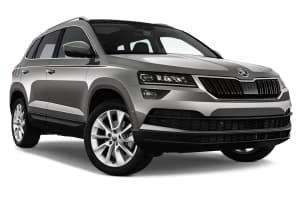
-
Rent Plus From€ 14 /day
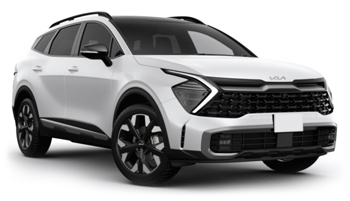
-
Rent Plus From€ 25 /day
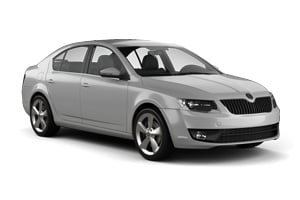
-
Autounion Car Rental From€ 31 /day -
wheego From€ 33 /day
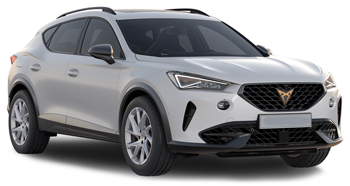
-
Sixt From€ 37 /day

-
Carwiz rent a car From€ 33 /day
-
Autounion Car Rental From€ 35 /day
-
Autounion Car Rental From€ 37 /day -
wheego From€ 40 /day
-
Carwiz rent a car From€ 36 /day -
Thrifty From€ 44 /day -
Right Cars From€ 44 /day
-
wheego From€ 22 /day -
Rent Plus From€ 40 /day -
Carwiz rent a car From€ 48 /day
-
wheego From€ 24 /day -
Carwiz rent a car From€ 54 /day -
Autounion Car Rental From€ 62 /day
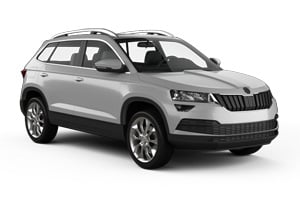
-
wheego From€ 27 /day -
Carwiz rent a car From€ 41 /day -
Right Cars From€ 44 /day
-
wheego From€ 27 /day -
Carwiz rent a car From€ 38 /day -
Autounion Car Rental From€ 48 /day
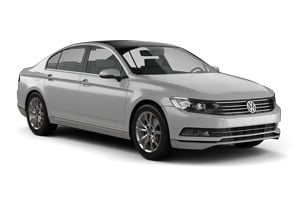
-
Rent Plus From€ 32 /day
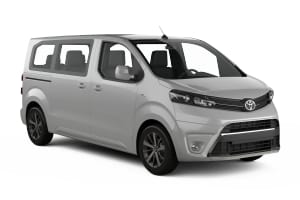
-
Rent Plus From€ 42 /day
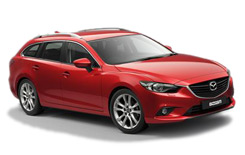
-
Sixt From€ 48 /day
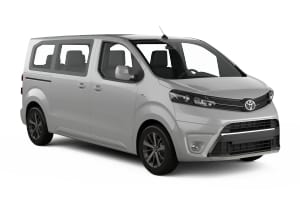
-
Alamo From€ 44 /day -
Enterprise From€ 106 /day
-
Sixt From€ 48 /day

-
Avis From€ 47 /day -
Sixt From€ 55 /day
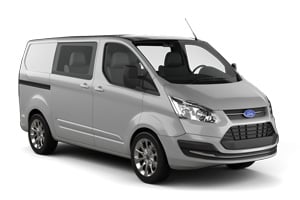
-
Carwiz rent a car From€ 45 /day
-
Carwiz rent a car From€ 47 /day
-
Avis From€ 51 /day -
Sixt From€ 57 /day

-
Sixt From€ 52 /day
-
Sixt From€ 52 /day
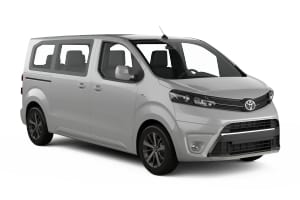
-
Alamo From€ 53 /day -
Enterprise From€ 127 /day
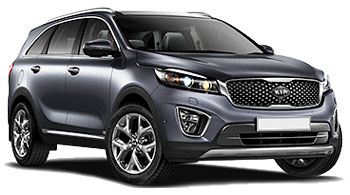
-
Rent Plus From€ 57 /day
-
Alamo From€ 59 /day -
Enterprise From€ 136 /day

-
Rent Plus From€ 10 /day -
wheego From€ 13 /day -
Green Motion From€ 22 /day
-
Rent Plus From€ 12 /day -
Autounion Car Rental From€ 25 /day -
Budget From€ 34 /day
-
Rent Plus From€ 14 /day -
wheego From€ 17 /day -
Green Motion From€ 29 /day
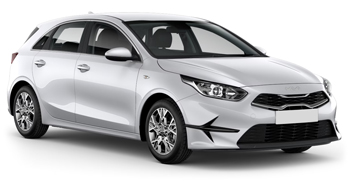
-
Rent Plus From€ 15 /day -
Avis From€ 35 /day -
Europcar From€ 38 /day
-
Rent Plus From€ 16 /day -
Autounion Car Rental From€ 32 /day -
Budget From€ 43 /day
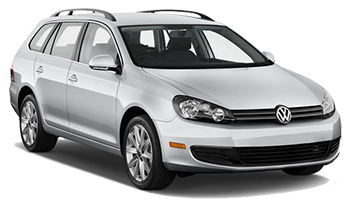
-
Rent Plus From€ 16 /day
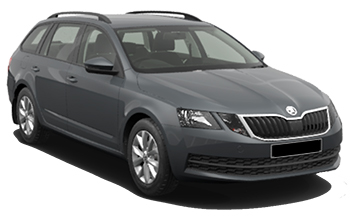
-
wheego From€ 21 /day -
Carwiz rent a car From€ 29 /day -
Green Motion From€ 30 /day
-
wheego From€ 16 /day -
Green Motion From€ 23 /day -
Right Cars From€ 25 /day
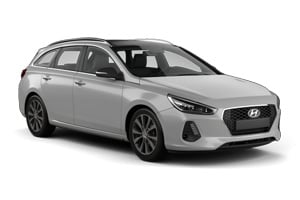
-
Alamo From€ 19 /day -
Autounion Car Rental From€ 25 /day -
Enterprise From€ 37 /day
-
Alamo From€ 44 /day -
Enterprise From€ 106 /day
-
Carwiz rent a car From€ 45 /day
-
Rent Plus From€ 47 /day -
Budget From€ 82 /day -
Autounion Car Rental From€ 384 /day
-
Carwiz rent a car From€ 47 /day
-
Alamo From€ 50 /day -
Enterprise From€ 114 /day
-
Alamo From€ 53 /day -
Enterprise From€ 127 /day
-
Alamo From€ 59 /day -
Enterprise From€ 136 /day
-
Carwiz rent a car From€ 61 /day -
Green Motion From€ 123 /day
-
Carwiz rent a car From€ 65 /day
-
Carwiz rent a car From€ 26 /day
-
Carwiz rent a car From€ 28 /day
-
Rent Plus From€ 11 /day -
Avis From€ 36 /day -
Europcar From€ 40 /day
-
Rent Plus From€ 14 /day -
wheego From€ 18 /day -
Right Cars From€ 25 /day
-
wheego From€ 23 /day -
Green Motion From€ 35 /day -
Carwiz rent a car From€ 37 /day
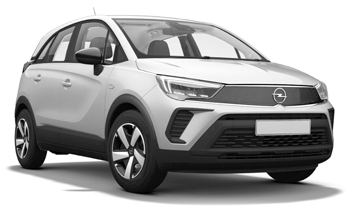
-
wheego From€ 15 /day
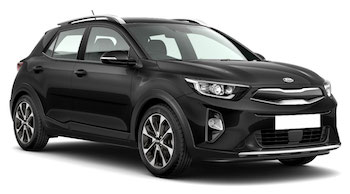
-
Rent Plus From€ 15 /day
-
Rent Plus From€ 23 /day
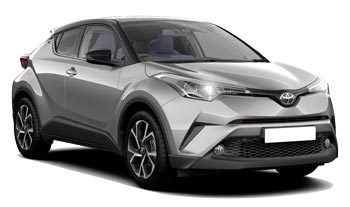
-
Rent Plus From€ 18 /day
-
Rent Plus From€ 18 /day -
Europcar From€ 38 /day
-
Rent Plus From€ 25 /day -
Avis From€ 41 /day -
Europcar From€ 46 /day
-
Enterprise From€ 84 /day
-
Enterprise From€ 91 /day
-
Autounion Car Rental From€ 134 /day
-
Autounion Car Rental From€ 143 /day
Car rental companies in Prague
Below are the car rental companies in Prague with the best ratings. Compare all ratings and prices of these rental companies in one search.
-
Rent Plus
From€ 10 / day -
Enterprise
From€ 31 / day -
Sixt
From€ 20 / day -
Alamo
From€ 16 / day -
Budget
From€ 18 / day -
Hertz
From€ 28 / day
Useful tips for a well-prepared trip
Which insurance should I choose, and what's the deal with the deposit? Read our articles with useful information and tips to ensure you choose the right rental car for you.


Car rental companies in and around Prague
If you are looking for a rental car in Czech Republic, but in a city other than Prague, please click through to the Car rental Czech Republic page, where you can choose in which city in Czech Republic you want to rent a car.
Location information for Prague
Introduction
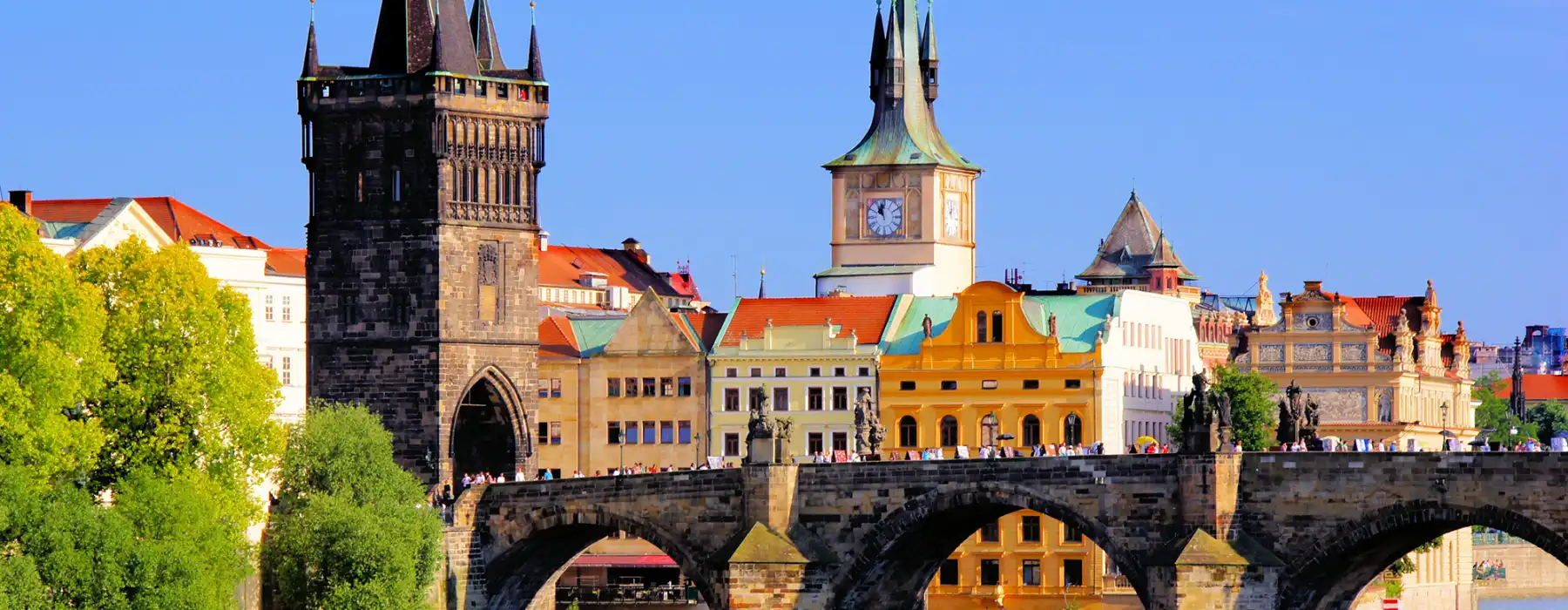
After the demise of communism, the beautiful capital of the Czech Republic has once again become a vibrant city that attracts many tourists. The medieval centre is strewn with sphere-shaped towers and spires. Along the Karel bridge there is an impressive array of statues of saints, and on the other side there is the cosy baroque area of Malá Strana and on the hill behind it there is a castle.
Population
After the fall of communism the population of Prague decreased. The introduction of the free market economy led to a rise in the costs of living and a fall in the nation's birth rate. The housing market in Prague is also very tight. The city now has about 1.3 million inhabitants.
Location
Prague is located on the river Moldau, which in Czechoslovakian is called Vltava. The two parts of the city on both banks are connected by many bridges. Many people think Prague is in Eastern Europe, but in fact it is located in Central Europe, at a little over 700 kilometres from Amsterdam, 250 kilometres from Vienna and 280 kilometres from Berlin.
Economy
In communist times Prague was a centre of (heavy) industry. Industry still plays an important role in the local economy: cars, machines and metalwork, as well as chemical companies and food industry. Since the introduction of the free market economy, the city has developed rapidly as a commercial and financial centre in Eastern Europe. During communism there was hardly a service sector, but now it is responsible for a large part of the economy.
In addition, the city is a centre of government, there are many educational institutions and Prague attracts millions of tourists each year, providing a boost to the entertainment sector.
Airports
The international Ruzyne Airport is located 20 kilometres to the north-west of the city centre. Since the fall of communism, the number of flights has increased dramatically, among other things due to the arrival of budget airline companies.
There is a shuttle service with minivans from the company Cedaz between the airport and námestí Republiky. The minivans make a stop at Dejvická metro station. City bus 119 also goes to that station. By car, all you need to do to get to the city centre is to follow the Evropská Boulevard.
Public transport
The city has an extensive public transport network, consisting of metros, trams and buses, and a cable train to the top of the Petrin hill. Within the time indicated, you can use a single ticket on all forms of public transport. You can also buy 3, 7 or 15 day tickets. Public transport tickets can be purchased at metro stations, tobacconists and newspaper stands (trafika). The tickets need to be stamped as soon as you board. At night, there are a few night trams and buses every half an hour.
In addition, there are many taxis, although a warning is in order here. Never catch a waiting cab in Prague, but ask a hotel or restaurant to order you one. Agree on a price with the cab driver and ask him for a receipt. That way you can be sure he uses his meter.
Pickpockets are especially active in the metro. They also operate on the Wenceslas square, the Old City square, the Karel bridge and in the shopping centres.
Traffic and parking
The best way to explore the old centre of Prague is on foot. Traffic can be very busy and many streets are one-way only. Rental cars are very suitable for trips in the area around Prague. In recent years the roads have been improved enormously, but do not (yet) expect motorways like in Western Europe.
In the city centre there are various parking zones (orange, green and blue). The blue zones are reserved for residents, so do not park there. In the orange and green zones you can park for 2 and 6 hours respectively, after putting money in the coin machines. If you park too long on in the wrong spot, chances are your car will be clamped and you will need to pay a hefty fine before having the clamp removed.
Car break-ins are pretty common in Prague. So it is better to park your car in a guarded car park, like the one near the main station Wilsonova, the Masaryk train station or on the Malostranské námestí. There are also parking areas near the metro stations along the major entry roads, but they are unguarded, on the námestí Jana Palacha near the Old City square there is an underground car park.
Hotels
Prague is the economic, cultural and tourist centre of the Czech Republic. In recent years the number of accommodations has grown enormously, and the service level is much better than it was right after the fall of communism. Some historical buildings in the centre have been beautifully restored by luxurious international hotel chains. This means there is a wide range of hotels on offer, although that does not mean Prague is cheap, especially not during peak season between May and October. To pay the best price for a room it is imperative that you book in advance, preferably at least 3 months in advance.
External Sources
For more information about Prague, we recommend Google, and the following sources:
- Wikipedia, Prague
- City of Prague (Czechoslovakian and English)
- Prague Information centre (several languages)
Important up-to-date information for renting a car in Prague
| 🚙 Number of rental agencies | 29 |
| ⭐ Most popular car rental agency | Budget |
| 💰 Cheapest car rental company | Rent Plus |
| 🏆 Best rated car rental agency | Rent Plus |
Practical information
-
CurrencyCzech koruna
-
Driving directionRight
-
City speed limit50 km/h
-
Freeway speed limit90 km/h
-
LanguageCzech, Slovak
-
Popular car categoryEconomy
What most people want to know
The following questions and answers are a selection of the most popular questions. If you do not find the answer to your question, have a look at the Frequently Asked Questions page or contact us.
- Rent Plus
- Enterprise
- Sixt
- Alamo
- Budget
- Hertz
- Avis
- Thrifty
- Autounion Car Rental
- FireFly Car Rental
- Green Motion
- Carwiz rent a car
- wheego
- NÜ Car Rentals
- Elite (Luxury)
- OtoQ
- Right Cars
- Rentis
- Dollar Rent a Car
- ACE Rent A Car
- Europcar
- Abbycar
- Flizzr
- Your Rent
- U-Save Auto Rental
- SurPrice car rentals
- Global Rent a Car
- Keddy By Europcar
- National Car Rental