
- Online car rental since 2005

Car Rental Cyprus
Save time and money. We compare the offers of car rental companies in Cyprus on your behalf.
- Free cancellation Up to 48 hours prior to the scheduled pick-up time
- Best price guarantee Have you found a better price? Let us know and we will make you a better offer.
- 24000+ pick-up locations Locations around the world

Car Rental Cyprus
EasyTerra Car Rental Cyprus is an independent car rental comparison site. Our site compares prices from well-known car rental companies so that, as a customer, you can always reserve your car with us at a competitive rate.
Car rental offers in Cyprus
Whether you're looking for a small rental car or a station wagon for the entire family, we will always have a suitable vehicle at the lowest price. Below are some examples from our selection in Cyprus.
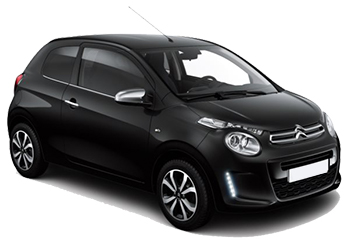
-
Get Your Car From€ 8 /day -
Flizzr From€ 12 /day -
Sixt From€ 14 /day
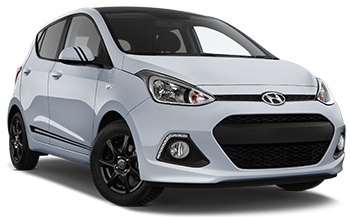
-
Autounion Car Rental From€ 8 /day -
Budget From€ 11 /day -
Hertz From€ 17 /day
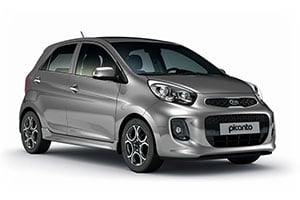
-
Sixt From€ 13 /day -
Green Motion From€ 14 /day -
AERCAR From€ 15 /day
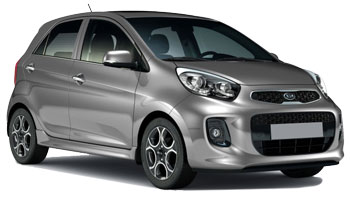
-
Get Your Car From€ 8 /day -
AERCAR From€ 9 /day -
Green Motion From€ 10 /day
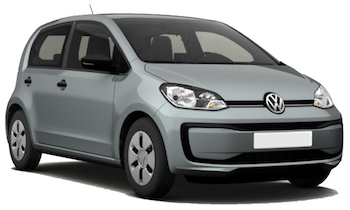
-
Get Your Car From€ 8 /day -
AERCAR From€ 9 /day -
Hertz From€ 16 /day
-
Sixt From€ 14 /day -
Flizzr From€ 17 /day -
Get Your Car From€ 20 /day
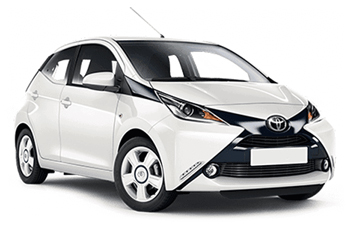
-
AERCAR From€ 9 /day -
U-Save Auto Rental From€ 12 /day -
Green Motion From€ 14 /day
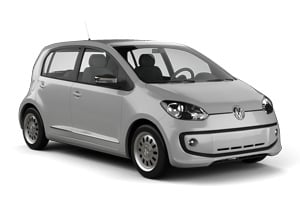
-
AERCAR From€ 9 /day -
Get Your Car From€ 9 /day
-
Autounion Car Rental From€ 15 /day -
Budget From€ 17 /day -
Hertz From€ 22 /day
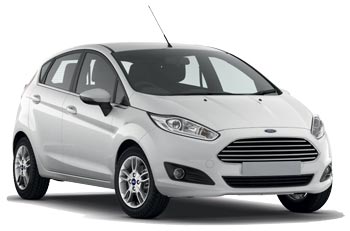
-
Autounion Car Rental From€ 9 /day -
Cyprus Airport Car From€ 11 /day -
Green Motion From€ 12 /day
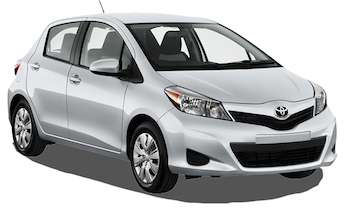
-
Get Your Car From€ 9 /day
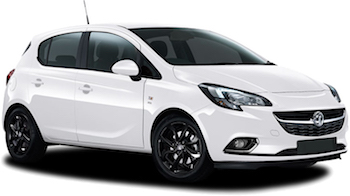
-
Sixt From€ 14 /day -
Autounion Car Rental From€ 15 /day -
Green Motion From€ 17 /day
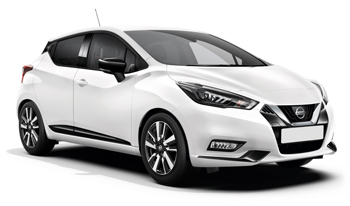
-
Get Your Car From€ 9 /day -
Payless Car Rental From€ 13 /day -
Europcar From€ 14 /day
-
Get Your Car From€ 9 /day -
Autounion Car Rental From€ 10 /day -
Green Motion From€ 12 /day
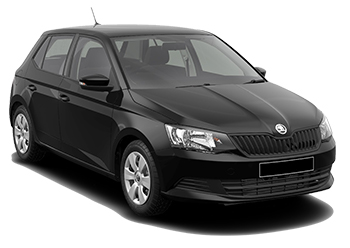
-
Sixt From€ 14 /day -
Flizzr From€ 18 /day -
Hertz From€ 26 /day
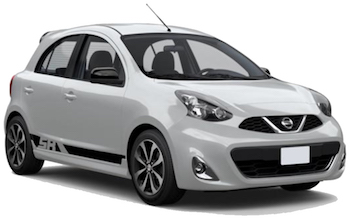
-
AERCAR From€ 9 /day -
Goldcar From€ 14 /day
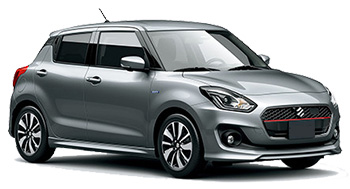
-
AERCAR From€ 9 /day -
Autounion Car Rental From€ 10 /day -
Green Motion From€ 11 /day
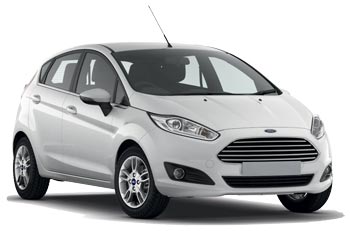
-
Autounion Car Rental From€ 15 /day -
Alamo From€ 17 /day -
Enterprise From€ 17 /day
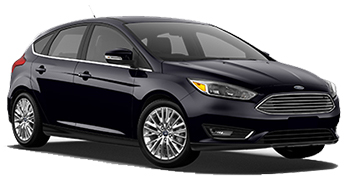
-
Get Your Car From€ 9 /day -
AERCAR From€ 11 /day -
Cyprus Airport Car From€ 14 /day
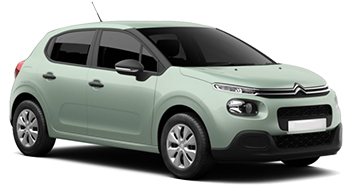
-
Get Your Car From€ 11 /day
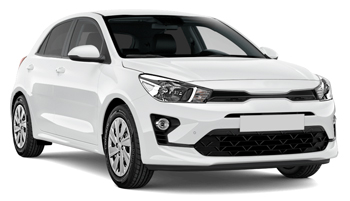
-
Sixt From€ 16 /day -
Europcar From€ 18 /day

-
Autounion Car Rental From€ 11 /day -
Alamo From€ 14 /day -
Enterprise From€ 15 /day
-
AERCAR From€ 11 /day -
Europcar From€ 14 /day -
Sixt From€ 15 /day
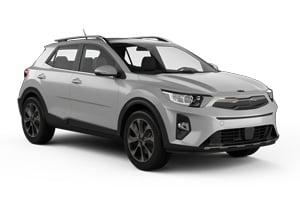
-
Sixt From€ 17 /day -
Flizzr From€ 21 /day -
Europcar From€ 22 /day
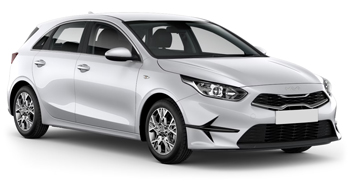
-
AERCAR From€ 12 /day -
Flizzr From€ 15 /day -
Carwiz rent a car From€ 15 /day
-
Get Your Car From€ 12 /day -
Green Motion From€ 16 /day -
Flizzr From€ 16 /day
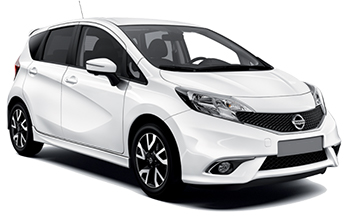
-
Autounion Car Rental From€ 18 /day -
Enterprise From€ 18 /day -
Alamo From€ 20 /day
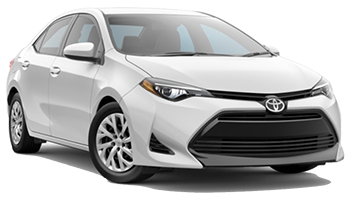
-
Get Your Car From€ 12 /day -
AERCAR From€ 16 /day -
Flizzr From€ 18 /day
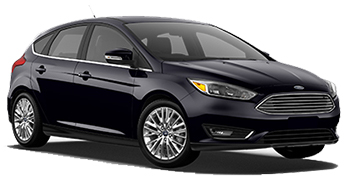
-
Get Your Car From€ 13 /day
-
Get Your Car From€ 16 /day -
Sixt From€ 22 /day -
Flizzr From€ 23 /day
-
Payless Car Rental From€ 15 /day
-
Get Your Car From€ 19 /day

-
Flizzr From€ 18 /day -
Sixt From€ 25 /day
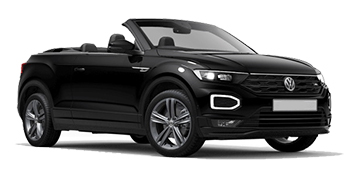
-
Flizzr From€ 18 /day -
Sixt From€ 30 /day -
Green Motion From€ 52 /day
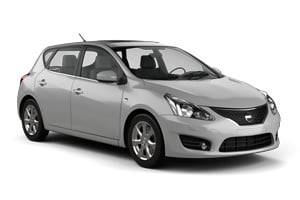
-
Payless Car Rental From€ 20 /day

-
Budget From€ 19 /day
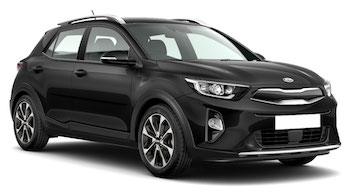
-
Europcar From€ 25 /day
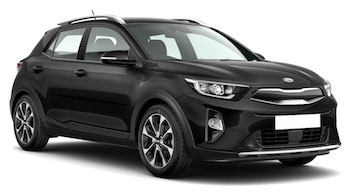
-
Europcar From€ 25 /day
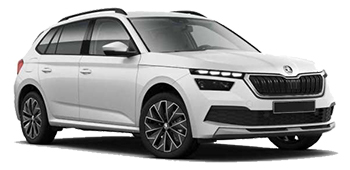
-
Sixt From€ 26 /day
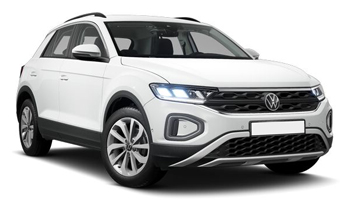
-
Sixt From€ 26 /day
-
Sixt From€ 27 /day
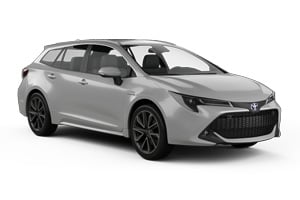
-
AERCAR From€ 27 /day
-
Sixt From€ 28 /day
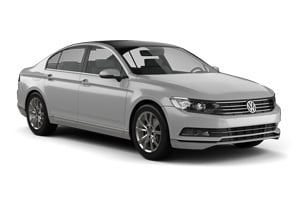
-
Autounion Car Rental From€ 29 /day -
Alamo From€ 36 /day -
Enterprise From€ 39 /day
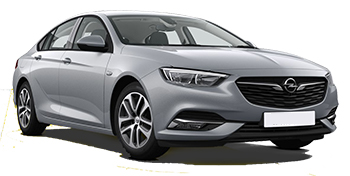
-
Alamo From€ 37 /day -
Enterprise From€ 40 /day
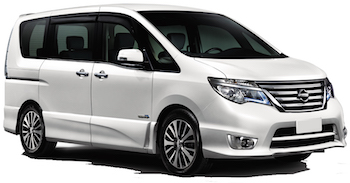
-
AERCAR From€ 31 /day -
Cyprus Airport Car From€ 39 /day -
Europcar From€ 40 /day
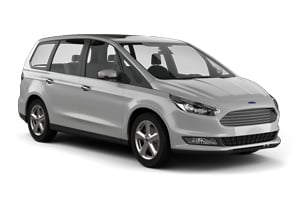
-
Green Motion From€ 32 /day
-
Green Motion From€ 35 /day
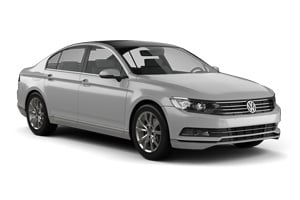
-
Autounion Car Rental From€ 33 /day
-
Autounion Car Rental From€ 37 /day
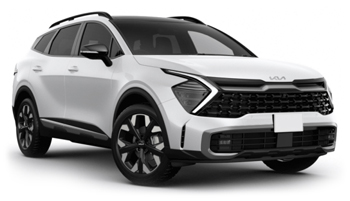
-
Cyprus Airport Car From€ 36 /day -
Europcar From€ 36 /day
-
Europcar From€ 41 /day
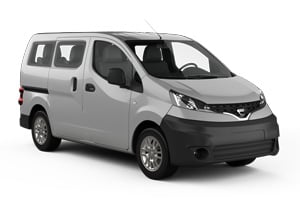
-
Cyprus Airport Car From€ 38 /day -
Europcar From€ 39 /day -
Keddy By Europcar From€ 46 /day
-
Europcar From€ 43 /day -
Cyprus Airport Car From€ 44 /day -
Carwiz rent a car From€ 50 /day
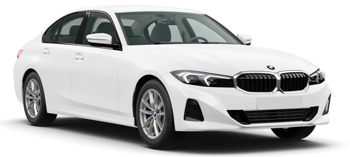
-
Keddy By Europcar From€ 50 /day
-
Keddy By Europcar From€ 55 /day
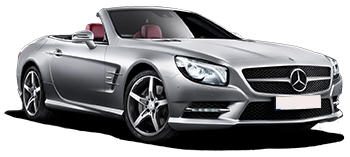
-
Sixt From€ 65 /day
-
Sixt From€ 69 /day
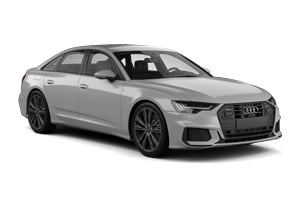
-
Sixt From€ 72 /day
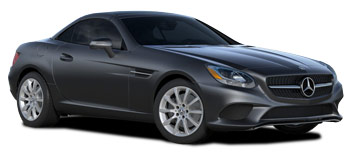
-
Sixt From€ 72 /day
-
Sixt From€ 73 /day
-
Sixt From€ 73 /day
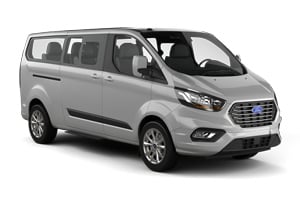
-
Green Motion From€ 83 /day -
Keddy By Europcar From€ 100 /day
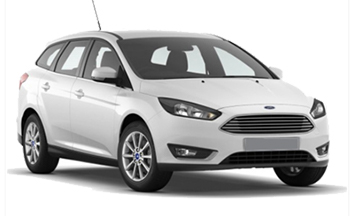
-
U-Save Auto Rental From€ 18 /day -
Green Motion From€ 20 /day
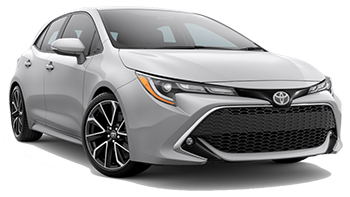
-
Flizzr From€ 18 /day -
Green Motion From€ 22 /day -
AERCAR From€ 25 /day
-
Green Motion From€ 24 /day
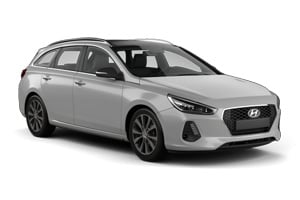
-
Carwiz rent a car From€ 20 /day
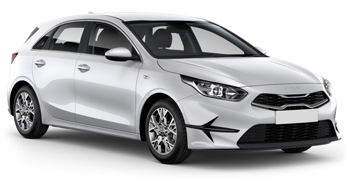
-
Cyprus Airport Car From€ 24 /day -
Europcar From€ 24 /day -
My Car From€ 29 /day
-
Flizzr From€ 26 /day -
Green Motion From€ 26 /day -
Avis From€ 43 /day
-
Europcar From€ 28 /day -
My Car From€ 34 /day -
Keddy By Europcar From€ 35 /day
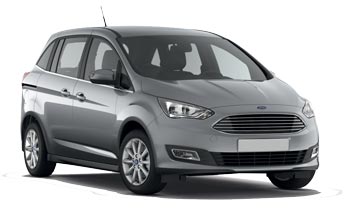
-
Autounion Car Rental From€ 30 /day -
Alamo From€ 33 /day -
Enterprise From€ 36 /day
-
Alamo From€ 37 /day -
Enterprise From€ 41 /day
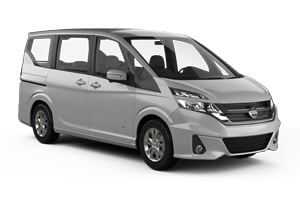
-
AERCAR From€ 32 /day -
Get Your Car From€ 37 /day -
Cyprus Airport Car From€ 39 /day
-
Cyprus Airport Car From€ 38 /day -
Europcar From€ 39 /day -
Keddy By Europcar From€ 46 /day
-
Get Your Car From€ 38 /day -
Sixt From€ 42 /day -
Europcar From€ 43 /day
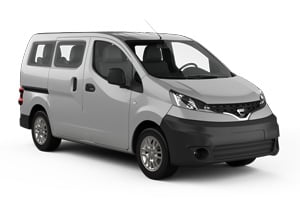
-
Keddy By Europcar From€ 51 /day -
My Car From€ 52 /day -
Europcar From€ 56 /day
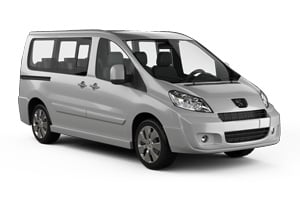
-
Alamo From€ 66 /day -
Enterprise From€ 67 /day
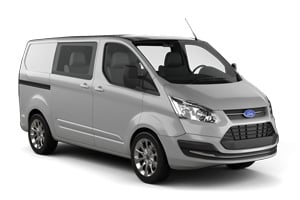
-
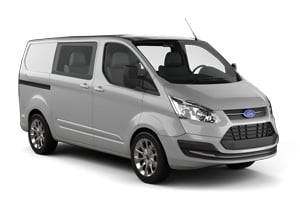
Sixt From€ 67 /day
-
Sixt From€ 67 /day
-
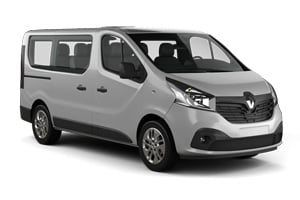
Alamo From€ 71 /day -
Enterprise From€ 72 /day
-
Flizzr From€ 71 /day
-
Sixt From€ 52 /day
-
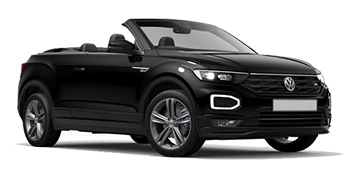
Sixt From€ 57 /day

-
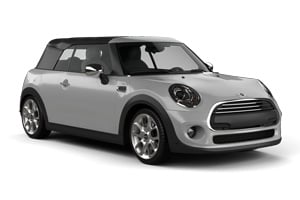
Carwiz rent a car From€ 57 /day
-
Carwiz rent a car From€ 59 /day
-
Sixt From€ 69 /day
-
Sixt From€ 60 /day
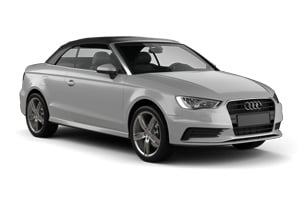
-
Sixt From€ 62 /day -
Hertz From€ 71 /day -
Avis From€ 89 /day
-
Sixt From€ 73 /day
-
Sixt From€ 65 /day
-
Get Your Car From€ 12 /day -
Flizzr From€ 16 /day -
Sixt From€ 17 /day
-
Sixt From€ 17 /day -
Flizzr From€ 21 /day -
Alamo From€ 24 /day
-
Flizzr From€ 18 /day -
Sixt From€ 25 /day
-
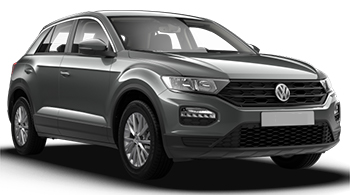
Flizzr From€ 18 /day -
Autounion Car Rental From€ 22 /day -
Sixt From€ 26 /day
-
Flizzr From€ 22 /day -
Sixt From€ 27 /day
-
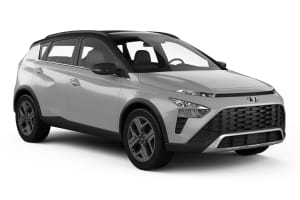
Alamo From€ 20 /day -
Enterprise From€ 21 /day -
Hertz From€ 26 /day
-
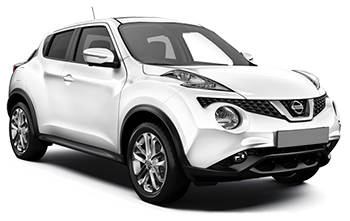
Green Motion From€ 20 /day -
Europcar From€ 22 /day
-
Flizzr From€ 23 /day -
Sixt From€ 28 /day -
Autounion Car Rental From€ 29 /day
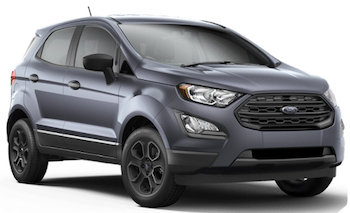
-
Green Motion From€ 21 /day -
AERCAR From€ 58 /day
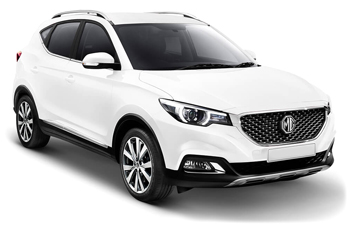
-
Green Motion From€ 34 /day

-
Green Motion From€ 43 /day
-
Carwiz rent a car From€ 99 /day
-
Carwiz rent a car From€ 134 /day
Popular cities in Cyprus


Useful tips for a well-prepared trip
Which insurance should I choose, and what's the deal with the deposit? Read our articles with useful information and tips to ensure you choose the right rental car for you.


Location information for Cyprus
Cyprus is best explored by rental car. EasyTerra Car Rental has over 9 pick-up locations in Cyprus. This means there is always a pick-up location close to your destination.
Most popular car hire locations in Cyprus
Introduction
At the crossroads of Europe, Asia and Africa lies the Mediterranean island of Cyprus. Since 1974 the island has been split into two parts. However, the Turkish Republic of Northern Cyprus is recognized only by Turkey. The capital of Cyprus is Nicosia. This city has 309,500 inhabitants.
Along the coast visitors will find splendid beaches. In the interior the traditional villages, medieval castles and ruins are waiting. Many of the villages have various festivities and markets worth a visit. The Greek-orthodox churches and monasteries are inspiring buildings in magnificent surroundings. The inside is often luxuriant and is distinguished by the many icons and gold leaf. The structures themselves frequently have a Byzantine character.
Greek mythology also plays a part on Cyprus. From the foaming waves of the sea near the island the Greek goddess Aphrodite was born. The people of Paphos and Amathus still honor this goddess with their spring feasts. Aphrodite's Rock in front of Cyprus' coast reminds us of her birth.
The Cypriot landscape has freakish mountaintops, rocky coasts and grain fields. In the dry climate pine forests and citrus trees offer some cooling. Those who have explored the Cypriot land and the rich cultural life can feast on the Mediterranean cuisine and a good glass of Cypriot wine.
History
At the end of the Paleolithic, hunters came to Cyprus and inhabited the island. Probably, this community came from the Levant; an area in West Asia, bordering the Mediterranean Sea. Because of the long uninhabited period of time, many dwarf animal species, like dwarf elephants and hippo's survived. Near Limassol, on the southern coast of the island, there still is a spot where many bones of these animals are found. The place is called Aetokremnos: Eagles Cliff.
In the Neolithic, approximately eight thousand years BC, people settled on the island permanently. They were farmers who kept animals such as pigs, sheep and goats. In the Bronze Age the first cities were built. People also started to systematically dig for copper, which turned out to be good merchandise. Starting from three thousand BC the Cypriots used the copper themselves. Cyprus became an important trading partner between Crete and Greece, the Levant, Egypt and Sardinia. There are signs of close connections with Egypt. These indications hint that Cyprus stayed independent till the end of the fourteenth century. From around 1200 BC onwards the Mycenaean influence was very strong.
During the Iron Age the Assyrians controlled the island. However, this did not hamper the Cypriot trade in any way. The trade even flourished so much that one could say that the island had power over the entire Mediterranean Sea.
From 560 till 545 BC the authority of the Assyrians was transferred to the Egyptians. The Cypriot monarchs could predominantly stay in charge. In 545 BC the power went to the Persians who also started to occupy the island in 525 BC. This occupation lasted until the fifth century AD. Around 425 BC Cyprus had become part of the Hellenistic empire. In 76 BC the Romans conquered Cyprus and turned it into a province of their empire.
This situation lasted until the Muslims got the idea to reign over Cyprus. In 649 CE the caliph Muawija occupied Cyprus. During several centuries the Muslims shared their rule with the Byzantines. Both parties tried to gain absolute power.
When the empire declined at the end of the twelfth century, Richard the Lionheart and his crusaders conquered Cyprus. In this way Cyprus was united with the Kingdom of Jerusalem. In 1291 the crusaders left the Holy Land. They stayed on Cyprus though until 1489. In that year the Venetians colonized Cyprus.
The turbulent times were not over yet. In 1571 the Ottomans conquered the island. The Turks stayed here until 1878. In the meanwhile a considerable minority of Turks settled on Cyprus. At first the Byzantine church welcomed the new occupiers, because the Turks recognized all religions of the Book. The taxes that were levied were very high though and the initial contentment waned.
In 1925 Cyprus became a British colony and regained its independence only after World War II in 1960. The Turkish minority was strongly present and the constitution was made in such a way that the position of president was always held by a Cypriot and the position of vice president by a Turkish Cypriot. The constitution also dictated a disproportionate large power to the Turkish minority in the government of Cyprus. Not a fifth of the population was Turkish, yet they were given in many cases thirty of more percent influence. Among other things, the Turk's right of veto led to an administratively intolerable situation, because little to nothing came about.
When the Cypriot president Makarios suggested an alteration in the constitution, trouble and violence broke out. On British initiative a cease fire was achieved. The Cypriot president temporarily allowed the presence of a British, Greek and Turkish peacekeeping force on the island. In the process of separating the groups in conflict, the 'Green Line' was invented. This dividing line splits the island in two. In 1964 the United Nations sent peace troops. These are still present today. In 1974 a Turkish invasion took place on the northern part of the island. In 1975 this part declared the Turkish Federal State of Northern Cyprus. Nowadays this part bears the name Turkish Republic of Northern Cyprus. Turkey is the only nation officially recognizing this republic.
In 1990 Cyprus filed a petition to join the European Union. The Turkish Cypriots claimed however, that the Greek-Cypriot government did not file this petition in their name, as they are not represented by the Greek-Cypriot government. In spite of this, the European Union recognized the petition and accepts the Greek-Cypriot rule over the entire island. In 2004 the island became part of the European Union.
Society and culture
There are approximately 789,000 Cypriots living on Cyprus. Three-quarters of the Cypriot population is Greek-Cypriot. One fifth is Turkish-Cypriot and the remaining five percent consists of different ethnic minorities, among which are Armenians, Lebanese and Maronites. More than half of the Cypriots live in the urban parts of the island. Migration from rural areas to the city has increased considerably over the past years. The people from the countryside are very warm and open.
The majority of the Greek-Cypriot population belongs to the Greek-orthodox church. One fifth of the Cypriots is Muslim. The other four percent belongs to either the Armenian-apostolic church or the Maronite church. This division reflects the division in ethnicities.
The languages spoken on Cyprus are Greek, Turkish and English.
On the island there are still ruins from the Roman time. In the Greek-Roman amphitheatre Kourin theatre performances are still given every summer. Apart from this, there are many other places worth a visit. In the Troodos mountain range there is a road for example, that leads the way from the highest peak Olympus to the Kykkos monastery. This is the most famous Greek-orthodox monastery on Cyprus. A third place of interest on Cyprus is the bobbin lace village Pano Lefkara. It lies between Larnaka and Limassol and provides an excellent opportunity to taste the traditional Cypriot country life.
Political situation
Since 1960 Cyprus has been an independent republic. The present Cyprus is still a separated island. Christofias Demetris is the current president of the Republic of Cyprus. In addition Mehmed Ali Talat has been president of the Turkish Republic of Northern Cyprus since 2005.
Administratively, Cyprus is divided into six districts. This division was made before the separation between the northern Turkish Cypriot part and the Greek Cypriot part. Therefore the boundaries of the districts do not take the 'new' situation into account.
Economy
The Cypriot economy leans primarily on the agricultural sector. It produces crops that can be exported such as citrus fruits, potatoes, grapes and tobacco.
A second main source of income is the tourist sector.
Though Cyprus is an island, fishing is of little importance. The reason for this is that the waters around Cyprus lack fish.
On Cyprus copper is still being extracted. Our word for this metal is related to the name of the island. In addition to copper, marble, iron ore and plaster are extracted from the land. In addition, oil has recently been discovered in the waters between Cyprus and Egypt.
The separation of the island into a northern and southern part also brings along an economical inequality. Greek-Cyprus has been a member of the European Union since 2004. This led to an increase of prosperity. Turkish Cyprus is partly dependent on Turkey. Because this part is not recognized, foreign trade with other countries than Turkey is not possible.
Since 2008 the currency on Cyprus is the Euro, instead of the Cypriot Pound.
Geography and climate
Cyprus is an island in the Mediterranean Sea. About seventy kilometers to the north, you will find Turkey. A hundred kilometers to the east lies Syria. Geographically speaking the island belongs to Asia. Because of the Greek-orthodox majority of the population, the island is often regarded to be European. The island takes up 9,251 square kilometers. On the northern part of Cyprus lie the Kyrenia Mountains. The mountains are primarily made out of limestone and are characterized by their rugged structure. The highest peak is about a thousand meters. The Toodos mountain range lies in the south west. Its highest mountain, the Olympus, is 1.953 meters. This mountain is also the highest point on Cyprus. Between the two mountain ranges lies the Mesaoria plateau. This region is very fertile, although there isn't a big river flowing across it. In fact, there is no real river on the island. Even the mountain streams dry up in summer. The eastern coast has wide bays with several ports. Paphos, Larnaca and Limassol are three coastal towns.
The name 'Cyprus' stems from the Greek kypros. This means 'copper', a metal found on the island which became a worthwhile trading article in the past.
Of old, Cyprus has been an island with many forests. But, because a lot of trees have been cut and because of many fires, a lot of forests have disappeared over the last hundred years. However, planting new trees on the island has restored one fifth of the original forests.
Cyprus has a Mediterranean climate with hot, dry summers from mid-May till mid-September. Clear blue skies stretch over the island. The sun shines almost every day. Winters are mild and rainy. Relatively speaking they are also long. In the mountains there is some snowfall every year above one thousand metres high. It is even possible to practice some winter sports on Cyprus in the Troodos Mountains! Autumn and spring are short.
Traffic and infrastructure
Because of the absence of a rail road network on Cyprus, all traffic goes over roads, sea and through the air.
Cypriots travel primarily by car. The road network is highly developed. The roads are in an excellent condition. Freeways connect Nicosia with Kyrenia and Limassol. It is important to realize that on Cyprus one drives on the left hand side of the road.
Every day of the week, except on Sundays, buses connect the cities. Transportation by bus is efficient. Buses run frequently.
The main sea ports of Cyprus are Limassol and Larnaca. From here cargo and passenger ships go out to sea.
From Larnaca Airport and Paphos Airport you can fly to cities in Europe and the Middle East. The airport of the capital has been closed since 1974. For this reason Larnaca Airport is also called Cyprus Airport. The north of Cyprus has an international airport near Ercan. However, the only airline flying here is Turkish Airlines.
Food and drink
The Cypriot cuisine has been influenced by extended contacts with Egypt, Greece, Lebanon, Turkey and Great-Britain.
On Cyprus people eat their dinners around noon. But it is also possible to dine in the evening. The northern Cypriot cuisine is strongly related to the southern cuisine. The dishes often carry different names though. Because of the majority of Muslims in this part, there will be no pork on the menu.
One of the typical Cypriot entrées is halloumi. This cheese is made of sheep and goat milk. Usually the slices are grilled. Another specialty is meze. The translation is: small delicacies. It consists of many small dishes of vegetables, meat and fish.
Though the sea doesn't have a lot of fish, dishes with fish are part of the Cypriot cuisine. Calamari, octopus in red wine and bass are all on the menu. Grilled lamb (souvla) is also present on many menus. Lounza is made out of meat marinated in coriander seeds and wine, after which the meat is dried and smoked.
Many used vegetables are potatoes in olive oil and parsley, pickled cauliflower and asparagus.
A typical North Cypriot drink is the originally Turkish ayran, a drink made of yoghurt. Famous drinks available on the entire island are raki and sawa a brandy. The first alcoholic drink is made of aniseed. The second is a brandy with lemon juice. This drink is a relic from the British colonial period. Raki is especially popular on the Turkish part of the island. On Cyprus there is also winegrowing. In September and October Limassol is busy with its wine festivities. The surrounding villages have their own feasts.
Time zone
The time on Cyprus is GMT/UTC +2. During summer months the clock is put forward to GMT/UTC +3.
Accommodation
There are hotels in all shapes and sizes. Luxurious and budget shelter can all be found. Besides hotels, it is also a good option to spend the night at a Bed & Breakfast.
Cities such as Larnaca, Limassol and Ayia Napa, have various hostels as well.
The island has a handful of camp sites. These are primarily located on the west coast of Cyprus.
External sources
For more information about Cyprus we recommend Google and the following sources:
- Wikipedia, Cyprus
- Official website of the Cypriot government
Practical information
-
CurrencyEuro
-
Driving directionLeft
-
City speed limit65 km/h
-
LanguageTurkish, Armenian, Greek (modern)
-
Popular car categoryEconomy
What most people want to know
The following questions and answers are a selection of the most popular questions. If you do not find the answer to your question, have a look at the Frequently Asked Questions page or contact us.
- Get Your Car
- Enterprise
- Alamo
- Sixt
- National Car Rental
- Europcar
- Budget
- Hertz
- Avis
- Exer Rent A Car
- Thrifty
- Flizzr
- Green Motion
- Keddy By Europcar
- Autounion Car Rental
- Street Rent a Car
- AERCAR
- Carwiz rent a car
- FireFly Car Rental
- Goldcar
- U-Save Auto Rental
- Cyprus Airport Car
- Payless Car Rental
- Right Cars
- Zezgo
- OtoQ
- My Car
- Abbycar
- Dollar Rent a Car
- SurPrice car rentals
- ACE Rent A Car
- NÜ Car Rentals
- Cargini
- addCarRental
- wheego
- DRIVUS