
- Online car rental since 2005
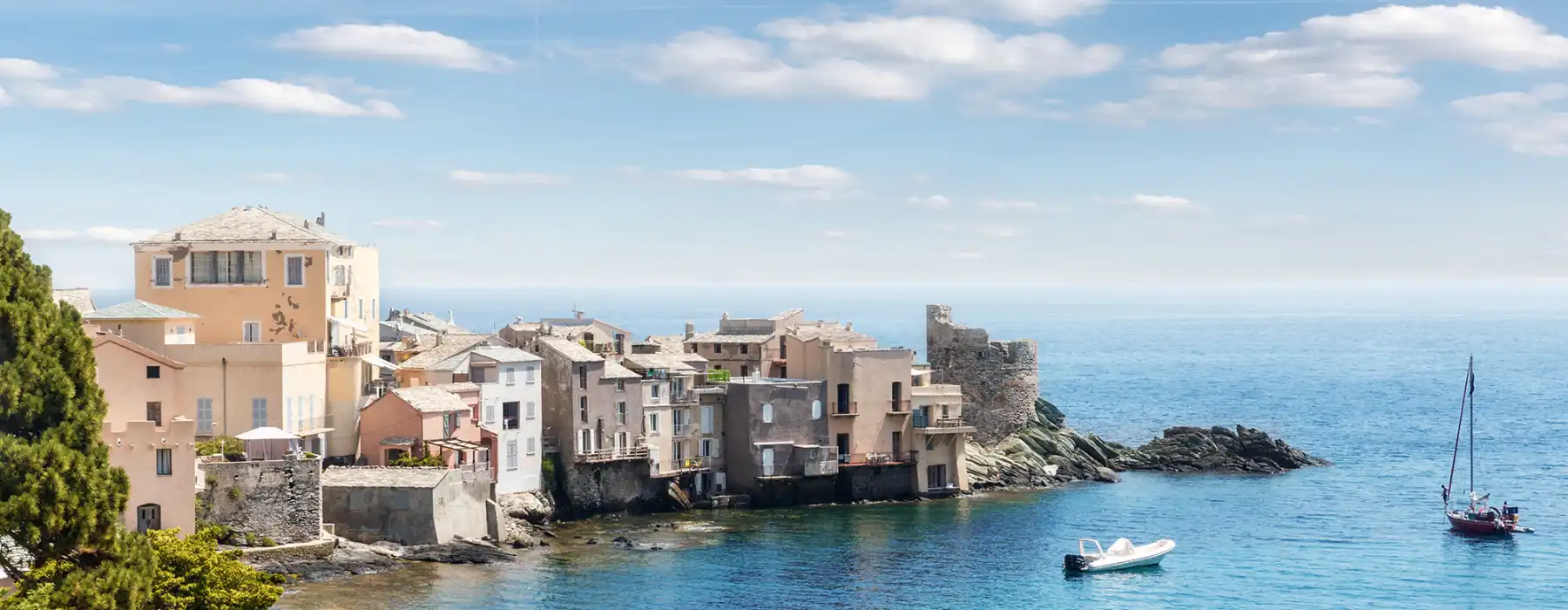
Car Rental Bastia
Save time and money. We compare the offers of car rental companies in Bastia on your behalf.
- Free cancellation Up to 48 hours prior to the scheduled pick-up time
- Best price guarantee Have you found a better price? Let us know and we will make you a better offer.
- 24000+ pick-up locations Locations around the world

Car Rental Bastia
EasyTerra Car Rental Bastia is an independent car rental comparison site. Our site compares prices from well-known car rental companies so that, as a customer, you can always reserve your car with us at a competitive rate.
Car rental offers in Bastia
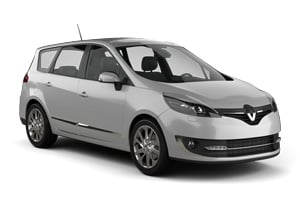
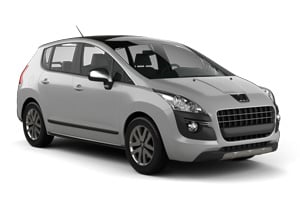
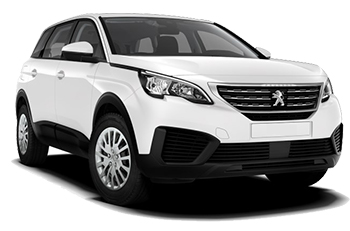
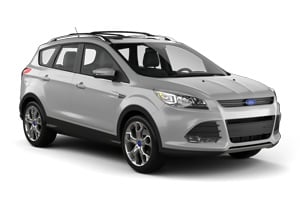
Whether you're looking for a small rental car or a station wagon for the entire family, we will always have a suitable vehicle at the lowest price. Below are some examples from our selection in Bastia.
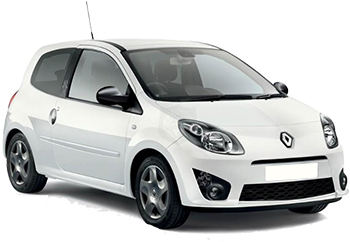
-
Europcar From€ 25 /day -
Avis From€ 34 /day
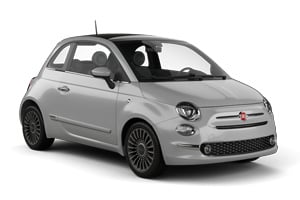
-
Sixt From€ 28 /day
-
Europcar From€ 29 /day -
Avis From€ 39 /day
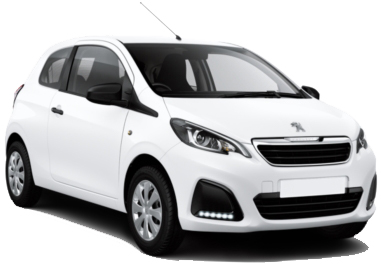
-
Alamo From€ 31 /day -
Enterprise From€ 33 /day
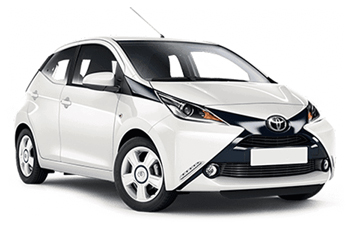
-
Budget From€ 37 /day
-
Budget From€ 32 /day
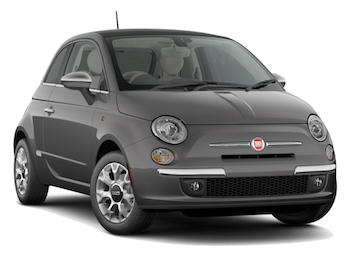
-
Europcar From€ 36 /day -
Hertz From€ 43 /day
-
Budget From€ 48 /day
-
Budget From€ 38 /day
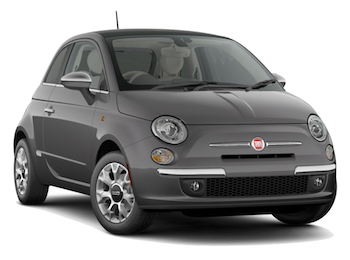
-
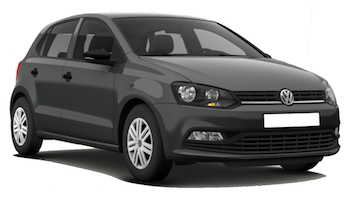
Sixt From€ 26 /day
-
Europcar From€ 28 /day
-
Europcar From€ 32 /day

-
Sixt From€ 29 /day

-
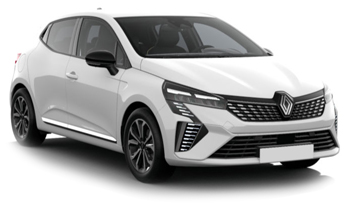
Sixt From€ 30 /day
-
Budget From€ 41 /day -
Hertz From€ 65 /day

-
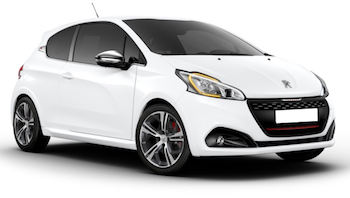
Sixt From€ 32 /day
-
Avis From€ 43 /day -
Alamo From€ 61 /day
-
Alamo From€ 34 /day -
Enterprise From€ 36 /day -
Europcar From€ 38 /day

-
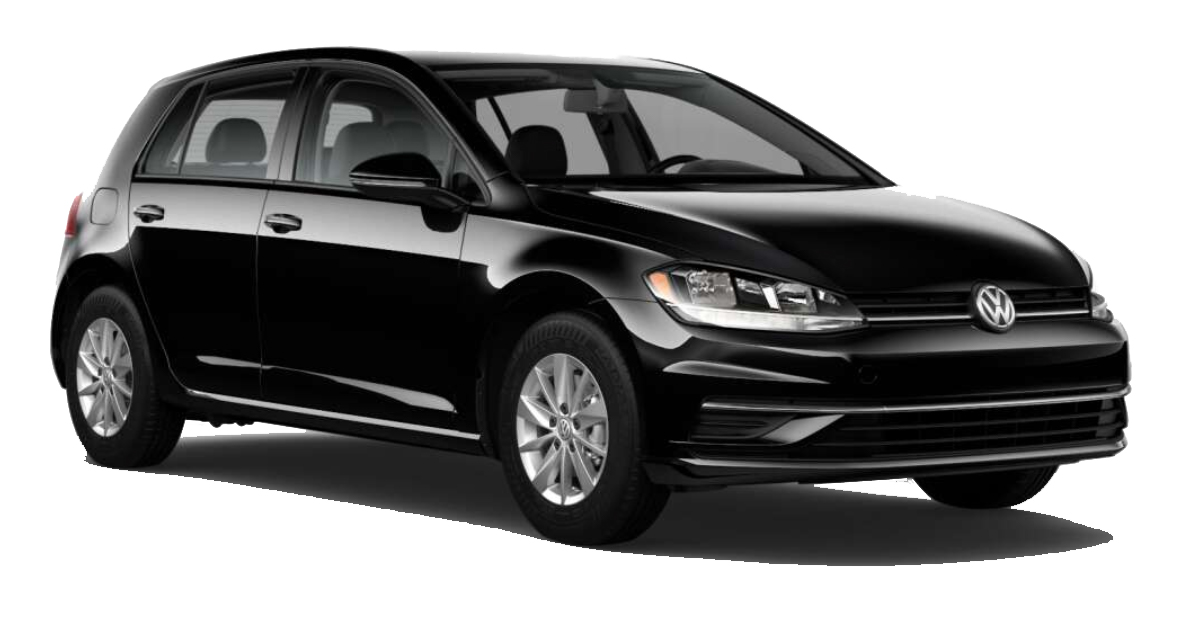
Sixt From€ 30 /day
-
Europcar From€ 31 /day
-
Europcar From€ 35 /day
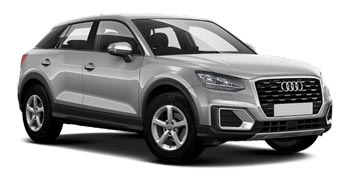
-
Sixt From€ 41 /day
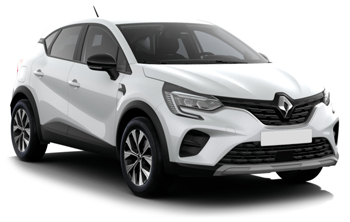
-
Budget From€ 46 /day -
Hertz From€ 76 /day
-
Budget From€ 42 /day -
Europcar From€ 47 /day -
Hertz From€ 68 /day
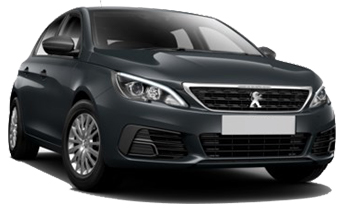
-
Alamo From€ 42 /day -
Enterprise From€ 42 /day -
Sixt From€ 55 /day
-
Avis From€ 48 /day -
Alamo From€ 67 /day -
Hertz From€ 74 /day
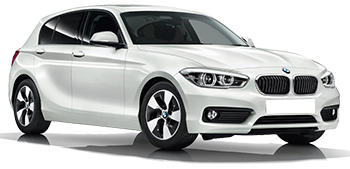
-
Sixt From€ 42 /day -
Europcar From€ 57 /day
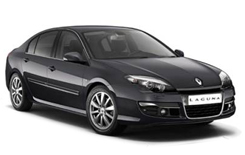
-
Europcar From€ 38 /day
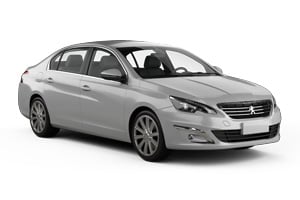
-
Sixt From€ 38 /day
-
Europcar From€ 42 /day
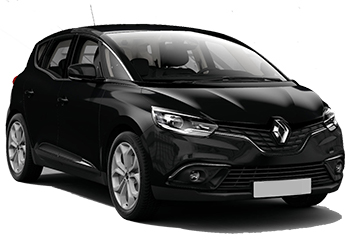
-
Europcar From€ 40 /day
-
Europcar From€ 44 /day

-
Sixt From€ 43 /day
-
Hertz From€ 85 /day -
Enterprise From€ 91 /day -
Alamo From€ 106 /day
-
Europcar From€ 67 /day
-
Hertz From€ 73 /day
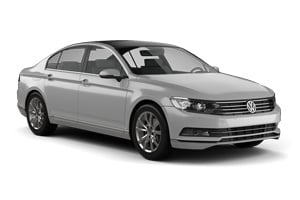
-
Europcar From€ 51 /day

-
Sixt From€ 56 /day
-
Sixt From€ 61 /day
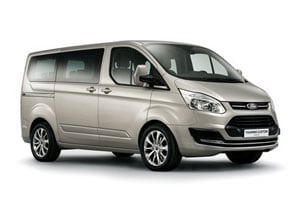
-
Sixt From€ 71 /day
-
Sixt From€ 81 /day
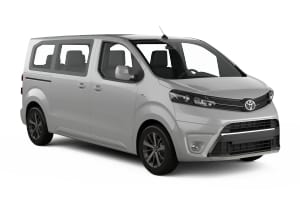
-
Europcar From€ 119 /day
-
Sixt From€ 49 /day
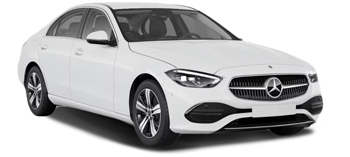
-
Sixt From€ 59 /day
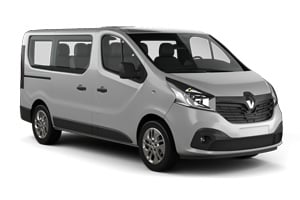
-
Europcar From€ 133 /day

-
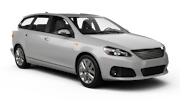
Sixt From€ 51 /day
-
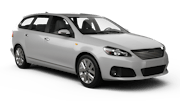
Sixt From€ 52 /day
-
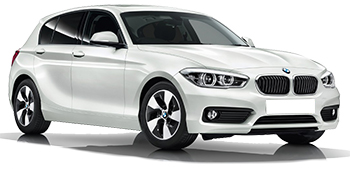
Sixt From€ 60 /day
-
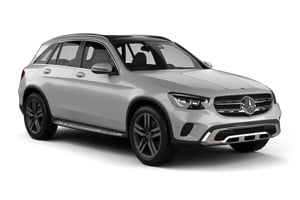
Europcar From€ 61 /day
-
Sixt From€ 67 /day
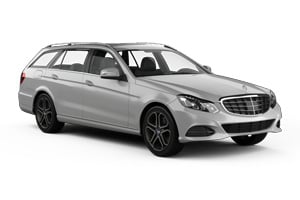
-
Sixt From€ 69 /day
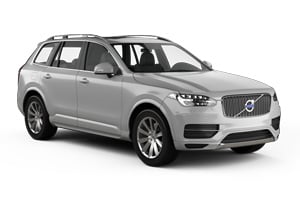
-
Sixt From€ 81 /day
-
Sixt From€ 53 /day
-
Sixt From€ 60 /day
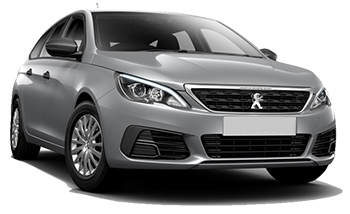
-
Hertz From€ 81 /day
-
Europcar From€ 67 /day
-
Sixt From€ 72 /day
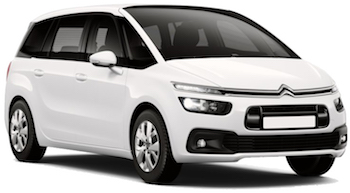
-
Europcar From€ 96 /day
-
Hertz From€ 73 /day
-
Europcar From€ 11.337 /day
-
Europcar From€ 92 /day
-
Europcar From€ 119 /day
-
Europcar From€ 133 /day
-
Sixt From€ 29 /day
-
Sixt From€ 41 /day
-
Alamo From€ 67 /day
-
Alamo From€ 44 /day -
Enterprise From€ 46 /day
-
Avis From€ 44 /day
-
Hertz From€ 85 /day -
Enterprise From€ 91 /day -
Alamo From€ 106 /day
-
Alamo From€ 45 /day
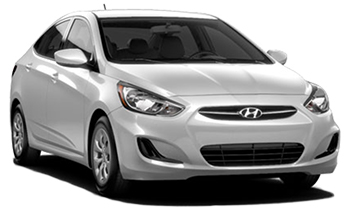
-
Alamo From€ 45 /day
-
Hertz From€ 88 /day

-
Sixt From€ 26 /day -
Hertz From€ 43 /day
-
Sixt From€ 28 /day
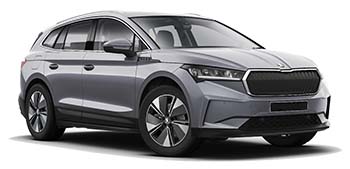
-
Europcar From€ 11.337 /day
-
Sixt From€ 29 /day
-
Sixt From€ 30 /day
-
Sixt From€ 30 /day
-
Sixt From€ 32 /day
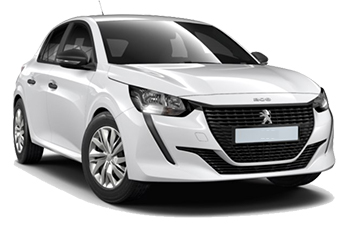
-
Sixt From€ 35 /day
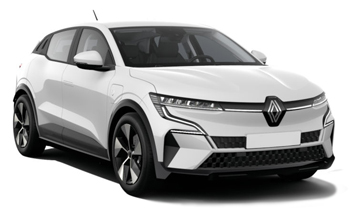
-
Europcar From€ 44 /day
Car rental companies in Bastia
Below are the car rental companies in Bastia with the best ratings. Compare all ratings and prices of these rental companies in one search.
-
Alamo
From€ 31 / day -
Europcar
From€ 25 / day -
Enterprise
From€ 33 / day -
Budget
From€ 32 / day -
Avis
From€ 34 / day -
National Car Rental
No rates available
Useful tips for a well-prepared trip
Which insurance should I choose, and what's the deal with the deposit? Read our articles with useful information and tips to ensure you choose the right rental car for you.


Car rental companies in and around Bastia
If you are looking for a rental car in France, but in a city other than Bastia, please click through to the Car rental France page, where you can choose in which city in France you want to rent a car.
Location information for Bastia
Introduction
Bastia was found in 1380 by Genoa, which at that time was a powerful city-state. The name comes from "Bastille", the fort that was built on a hill to protect the city. Until the end of the 18th century, Bastia was the capital of Corsica. It is an atmospheric city with the classical style church San Giovanni Battiste and the old center Terra Vechhia with small, narrow and twisting streets and alleys.
Population
The city has almost 40,000 inhabitants.
Location
Bastia lies in the northeast of the island of Corsica in the Mediterranean Sea, to the north of the city is a wide peninsula that extends to Cap Corse, the most northern point of the island. Bastia has pebble beaches, further south you can find beautiful sand beaches.
Economy
Since its construction in 1862, the harbor is of great importance for the local economy, it is not only an important fishing port but 2,5 million people per year use the ferries that arrive and depart from there. Bastia handles more passengers than Marseille or Nice. Furthermore, the harbor is important for the export of Corsican wines, although this has partly been taken over by air traffic. Bastia's old harbor now serves as a marina.
Tourism is of rather significant importance. Not only Bastia itself has great appeal, also the nature and beaches in the surrounding area attract many visitors.
Although Bastia is the economic center of Corsica, the city has high unemployment, it is estimated that 20% of the working population is unemployed.
Airports
The airport Bastia Poretta lies 20 kilometers south of the city, along the highway N193, there are aeroplane connections with cities in France, other European countries and also with Morocco.
Public transport
There are excellent bus connections to other places in Corsica, they leave from the bus terminal next to the train station.
There are train connections with Corte, Ajaccio, Calvi and Ponte Leccia.
Traffic and parking
The old city of Bastia is best discovered on foot, but your rental car is particularly suited to drive around the area. At the Citadel (the fort) there is a large underground parking garage.
Corsica does have highways but they are more like main roads. Take into account that the island is mountainous and the roads are curvy. A distance on the map may seem short, but in reality it will take more time than you think. To give you an example, when you want to drive from Bastia to Ajaccio you must calculate a minimum of 2.5 hours.
Hotels
There is a good variety of hotels to offer in Bastia, in general they are quite basic, there are no four and five-star hotels. During summer it is recommended to book your accommodation well in advance.
There are several trailer parks near the city.
External sources
For more information about Bastia, we recommend Google and the following sources:
- Wikipedia, Bastia
- Official website of the city of Bastia (French)
- Bastia Tourism (French, Italian, German and English)
Important up-to-date information for renting a car in Bastia
| 🚙 Number of rental agencies | 14 |
| ⭐ Most popular car rental agency | Europcar |
| 💰 Cheapest car rental company | Europcar |
| 🏆 Best rated car rental agency | Alamo |
Practical information
-
CurrencyEuro
-
Driving directionRight
-
City speed limit50 km/h
-
Freeway speed limit90 km/h
-
LanguageFrench
-
Popular car categoryCompact
What most people want to know
The following questions and answers are a selection of the most popular questions. If you do not find the answer to your question, have a look at the Frequently Asked Questions page or contact us.
- Alamo
- Europcar
- Enterprise
- Budget
- Avis
- National Car Rental
- Sixt
- Hertz
- ADA Corsica
- ADA
- Dollar Rent a Car
- Thrifty
- Rent a car
- AVIS Car-Away