
- Online car rental since 2005

Car Rental Rio De Janeiro
Save time and money. We compare the offers of car rental companies in Rio De Janeiro on your behalf.
- Free cancellation Up to 48 hours prior to the scheduled pick-up time
- Best price guarantee Have you found a better price? Let us know and we will make you a better offer.
- 24000+ pick-up locations Locations around the world

Car Rental Rio De Janeiro
EasyTerra Car Rental Rio De Janeiro is an independent car rental comparison site. Our site compares prices from well-known car rental companies so that, as a customer, you can always reserve your car with us at a competitive rate.
Car rental offers in Rio De Janeiro
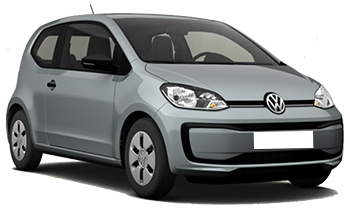
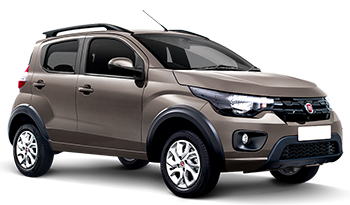
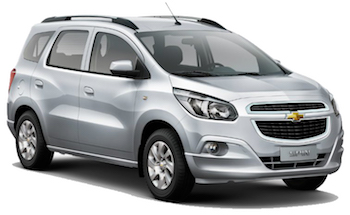
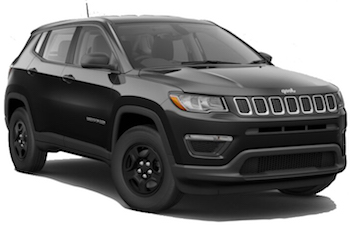
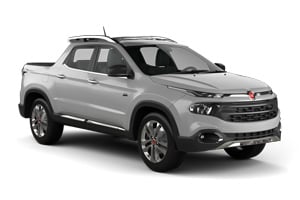
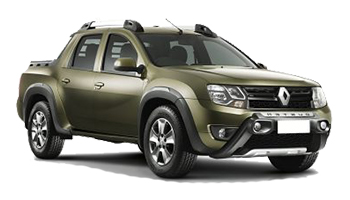
Whether you're looking for a small rental car or a station wagon for the entire family, we will always have a suitable vehicle at the lowest price. Below are some examples from our selection in Rio De Janeiro.
-
Foco From€ 15 /day
-
Localiza Car Rentals From€ 18 /day -
Alamo From€ 27 /day
-
Localiza Car Rentals From€ 26 /day -
Alamo From€ 36 /day
-
Movida From€ 18 /day
-
Movida From€ 21 /day -
Unidas From€ 22 /day -
Localiza Car Rentals From€ 24 /day
-
Movida From€ 26 /day
-
Movida From€ 32 /day -
Localiza Car Rentals From€ 33 /day

-
Movida From€ 13 /day -
Unidas From€ 19 /day -
Alamo From€ 27 /day
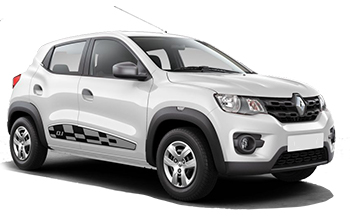
-
Foco From€ 15 /day -
Unidas From€ 16 /day -
Localiza Car Rentals From€ 18 /day
-
Foco From€ 19 /day -
Localiza Car Rentals From€ 24 /day
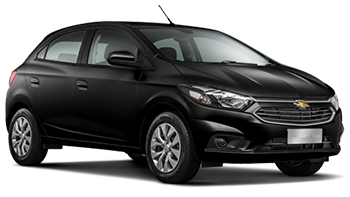
-
Movida From€ 15 /day -
Unidas From€ 16 /day
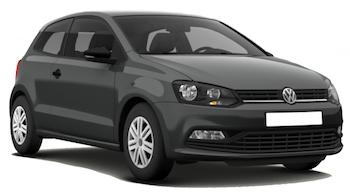
-
Foco From€ 15 /day
-
Foco From€ 20 /day

-
Foco From€ 15 /day -
Alamo From€ 32 /day
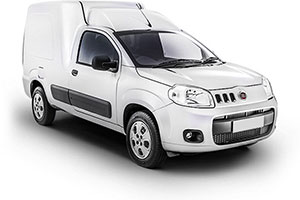
-
Movida From€ 15 /day -
Localiza Car Rentals From€ 27 /day
-
Movida From€ 21 /day -
Alamo From€ 36 /day
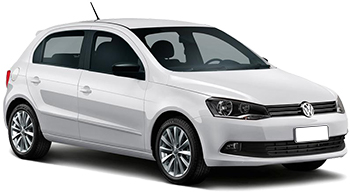
-
Foco From€ 15 /day

-
Foco From€ 15 /day -
Unidas From€ 20 /day -
Localiza Car Rentals From€ 20 /day
-
Foco From€ 20 /day
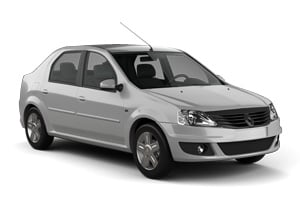
-
Foco From€ 16 /day -
Localiza Car Rentals From€ 20 /day
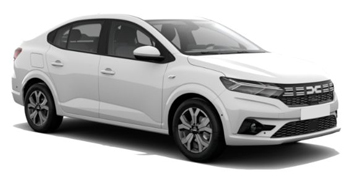
-
Foco From€ 17 /day
-
Foco From€ 21 /day -
Localiza Car Rentals From€ 27 /day
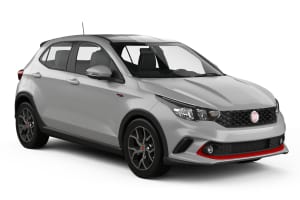
-
Localiza Car Rentals From€ 18 /day -
Alamo From€ 59 /day
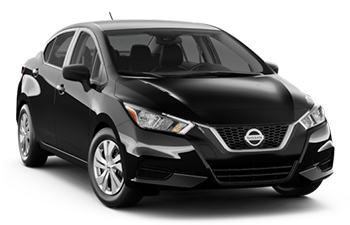
-
Unidas From€ 18 /day
-
Localiza Car Rentals From€ 24 /day
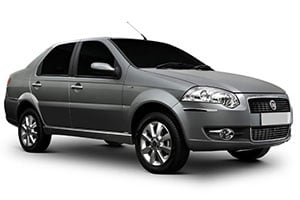
-
Movida From€ 18 /day
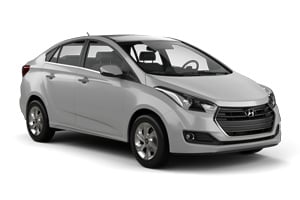
-
Movida From€ 18 /day -
Localiza Car Rentals From€ 24 /day
-
Movida From€ 24 /day
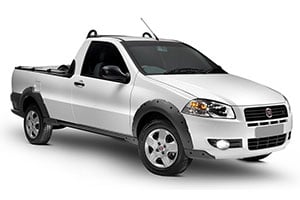
-
Movida From€ 19 /day
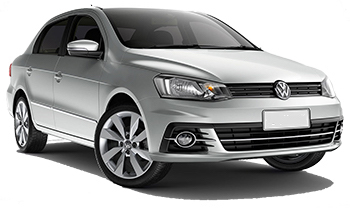
-
Foco From€ 21 /day
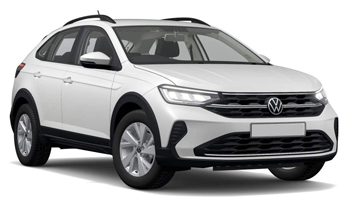
-
Foco From€ 26 /day
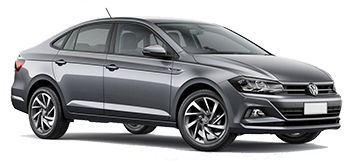
-
Foco From€ 21 /day -
Movida From€ 43 /day
-
Foco From€ 21 /day
-
Movida From€ 26 /day -
Localiza Car Rentals From€ 30 /day

-
Localiza Car Rentals From€ 24 /day
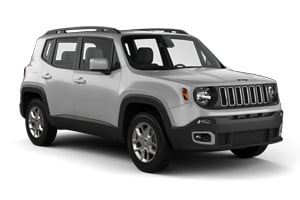
-
Localiza Car Rentals From€ 27 /day
-
Localiza Car Rentals From€ 31 /day
-
Localiza Car Rentals From€ 33 /day
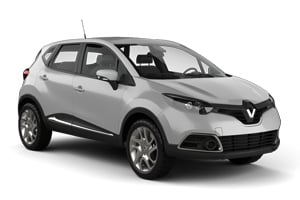
-
Unidas From€ 33 /day
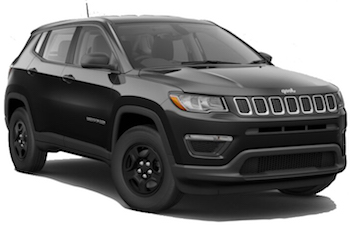
-
Unidas From€ 35 /day -
Localiza Car Rentals From€ 43 /day
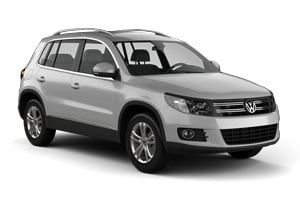
-
Movida From€ 46 /day
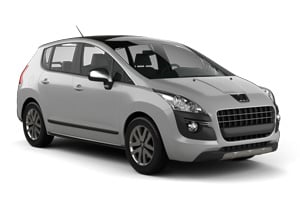
-
Movida From€ 37 /day
-
Movida From€ 40 /day
-
Foco From€ 29 /day -
Localiza Car Rentals From€ 40 /day -
Alamo From€ 78 /day
-
Movida From€ 30 /day
-
Movida From€ 37 /day
-
Movida From€ 31 /day -
Alamo From€ 96 /day
-
Movida From€ 32 /day
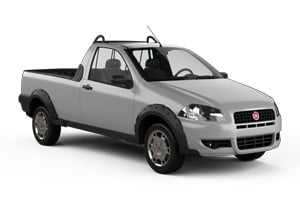
-
Localiza Car Rentals From€ 45 /day -
Alamo From€ 78 /day
-
Localiza Car Rentals From€ 38 /day -
Alamo From€ 73 /day
-
Localiza Car Rentals From€ 48 /day -
Alamo From€ 98 /day
-
Movida From€ 51 /day -
Alamo From€ 104 /day
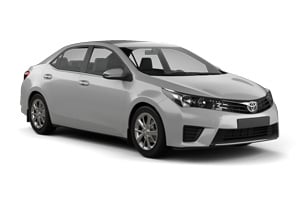
-
Movida From€ 28 /day -
Localiza Car Rentals From€ 43 /day
-
Movida From€ 34 /day -
Localiza Car Rentals From€ 47 /day
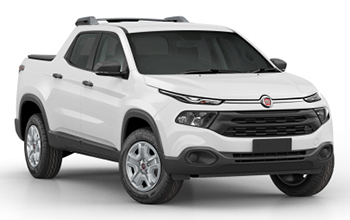
-
Unidas From€ 34 /day
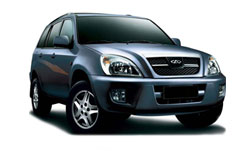
-
Movida From€ 41 /day
-
Movida From€ 46 /day
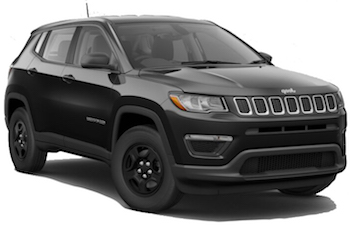
-
Unidas From€ 45 /day
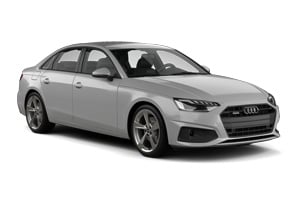
-
Localiza Car Rentals From€ 92 /day

-
Unidas From€ 46 /day -
Localiza Car Rentals From€ 89 /day
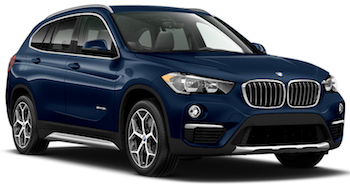
-
Unidas From€ 58 /day
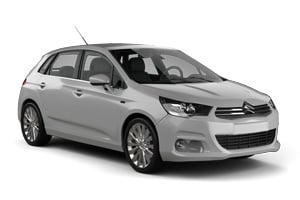
-
Movida From€ 20 /day -
Localiza Car Rentals From€ 26 /day

-
Foco From€ 21 /day -
Movida From€ 27 /day
-
Foco From€ 26 /day -
Movida From€ 35 /day

-
Foco From€ 21 /day -
Unidas From€ 22 /day -
Alamo From€ 38 /day

-
Foco From€ 21 /day -
Alamo From€ 40 /day
-
Foco From€ 27 /day -
Alamo From€ 48 /day
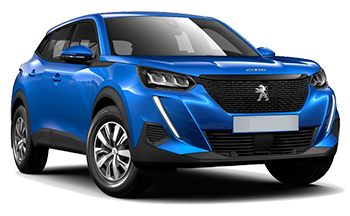
-
Unidas From€ 22 /day

-
Foco From€ 22 /day
-
Movida From€ 28 /day -
Localiza Car Rentals From€ 48 /day
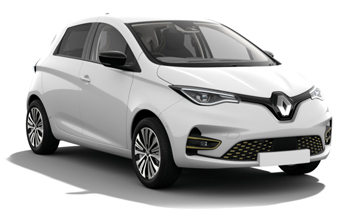
-
Localiza Car Rentals From€ 71 /day
-
Localiza Car Rentals From€ 75 /day
Car rental companies in Rio De Janeiro
Below are the car rental companies in Rio De Janeiro with the best ratings. Compare all ratings and prices of these rental companies in one search.
-
Localiza Car Rentals
From€ 18 / day -
Hertz
No rates available -
Avis
No rates available -
Movida
From€ 13 / day -
Alamo
From€ 27 / day -
Foco
From€ 15 / day
Useful tips for a well-prepared trip
Which insurance should I choose, and what's the deal with the deposit? Read our articles with useful information and tips to ensure you choose the right rental car for you.



Car rental companies in and around Rio De Janeiro
If you are looking for a rental car in Brazil, but in a city other than Rio De Janeiro, please click through to the Car rental Brazil page, where you can choose in which city in Brazil you want to rent a car.
Location information for Rio De Janeiro
Introduction
Rio de Janeiro is the former capital of Brazil (until 1960, when Brasília took over the title) and also the second largest city in the country (after São Paulo). It is an enormous city with many attractions. First most, obviously the famous beaches of Copacabana and Ipanema, the big Christ the Redeemer statue on the Corcovado mountain, and Sugarloaf mountain. Furthermore, there is the world famous annual Rio carnival: a colorful, musical and sensual spectacle. In 2014, Rio will be one of the host cities for the World Cup Football and two years later the Olympic games will be organized by the city.
Population
Officially, about 6 million people live in Rio de Janeiro, but the whole urban area accounts for more than double the amount of inhabitants. There is a great difference between the rich and the poor. The poor live in slums - known as favelas - which sometimes borders directly on the most prosperous quarters of the city.
Location
Rio de Janeiro lies on the east coast of Brazil, on the Guanabara Bay. Residential areas have been built on the flat lands between the rocks. Where it was difficult (on slopes) people built their own houses and huts and that is how the favelas were created. The rocks and hills supply even more greenery to the city: Rio has the two largest city parks in the world, Floresta da Tijuca and Parque Estadual da Pedra Branca.
Economy
The economy of the city is very diverse. The (financial) service sector is the most important part, but nationwide the service sector in São Paulo is bigger. However, Rio is first where industrial production is concerned. In this industry mainly food, chemicals, oil, medicine, textiles, metal and ship building are very important.
Tourism is of high importance to the city. Not only foreigners are attracted by the vibrant and diverse Rio de Janeiro, Brazilians also like to spend their holidays in this city.
Airports
Galeão-Antônio Carlos Jobim International Airport (shortly called Galeão) lies on an island in the Guanabara Bay, twenty kilometers from the city center. With a rental car, the airport is easily accessible: the highway BR-101 (Brasil Avenue) leads to the airport and the Via Expressa Presidente Joao Goulart / Linha Vermelha. If these names cause some confusion, the route to the airport is clearly signposted.
Rio has a second airport, Santos Dumont Airport, which is only used for domestic flights.
Public transportation
Rio de Janeiro has a very extensive bus network, it has more than 800 lines which transports a total of 4 million people daily. Furthermore, it has two metro lines which come together in the center of the city (Estácio station). The signs are in Portuguese as well as in English. Line 1 runs through the city centre to Copacabana, line 2 stops at the zoo, Maracanã Stadium and the Rio University amongst others. For tourists there is the historical tram line Santa Teresa (called bondihno). From the Cinelândia stop a tram leaves every 30 minutes.
Traffic and parking
Don't be intimidated by the busy and sometimes chaotic traffic in Rio de Janeiro. A rental car is an excellent choice if you are traveling to distant (therefore less crowded) beaches. You should avoid rush hour. The road along the beaches of Copacabana and Ipanema is closed on Sundays for motorized traffic.
In the centre of Rio it can be difficult to find a parking space. It is also not always a good idea to leave your rental car unattended next to the road. There are often "assistants" that want to "help" you by looking after your car. They do this for a small fee, but don't trust their instructions and only pay when you return to your car.
Hotels
Compared to the rest of Brazil, hotel rooms in Rio de Janeiro are expensive. Moreover, the supply in the (relatively) cheaper segment is scarce. Also take into account that during peak days (carnival, New Years and the holiday month of January) prices will be higher. We suggest that you book your accommodation well in advance. The most expensive hotels are situated next to the beaches of Copacabana and Ipanema, cheaper options can be found at Flamengo and Catete.
External resources
For more information about Rio de Janeiro, we recommend Google and the following sources:
- Wikipedia, Rio de Janeiro
- Official website Rio de Janeiro (Portuguese, some English)
- Tourist information Rio de Janeiro (Portuguese, English)
Important up-to-date information for renting a car in Rio De Janeiro
| 🚙 Number of rental agencies | 10 |
| ⭐ Most popular car rental agency | Movida |
| 💰 Cheapest car rental company | Movida |
| 🏆 Best rated car rental agency | Localiza Car Rentals |
Practical information
-
CurrencyBrazilian real
-
Driving directionRight
-
City speed limit80 km/h
-
Freeway speed limit60 km/h
-
LanguagePortuguese
-
Popular car categoryEconomy
What most people want to know
The following questions and answers are a selection of the most popular questions. If you do not find the answer to your question, have a look at the Frequently Asked Questions page or contact us.
- Localiza Car Rentals
- Hertz
- Avis
- Movida
- Alamo
- Foco
- Unidas
- Budget
- National Car Rental
- Enterprise